Hydroponics vs Soil: An Honest Comparison for Home Growers
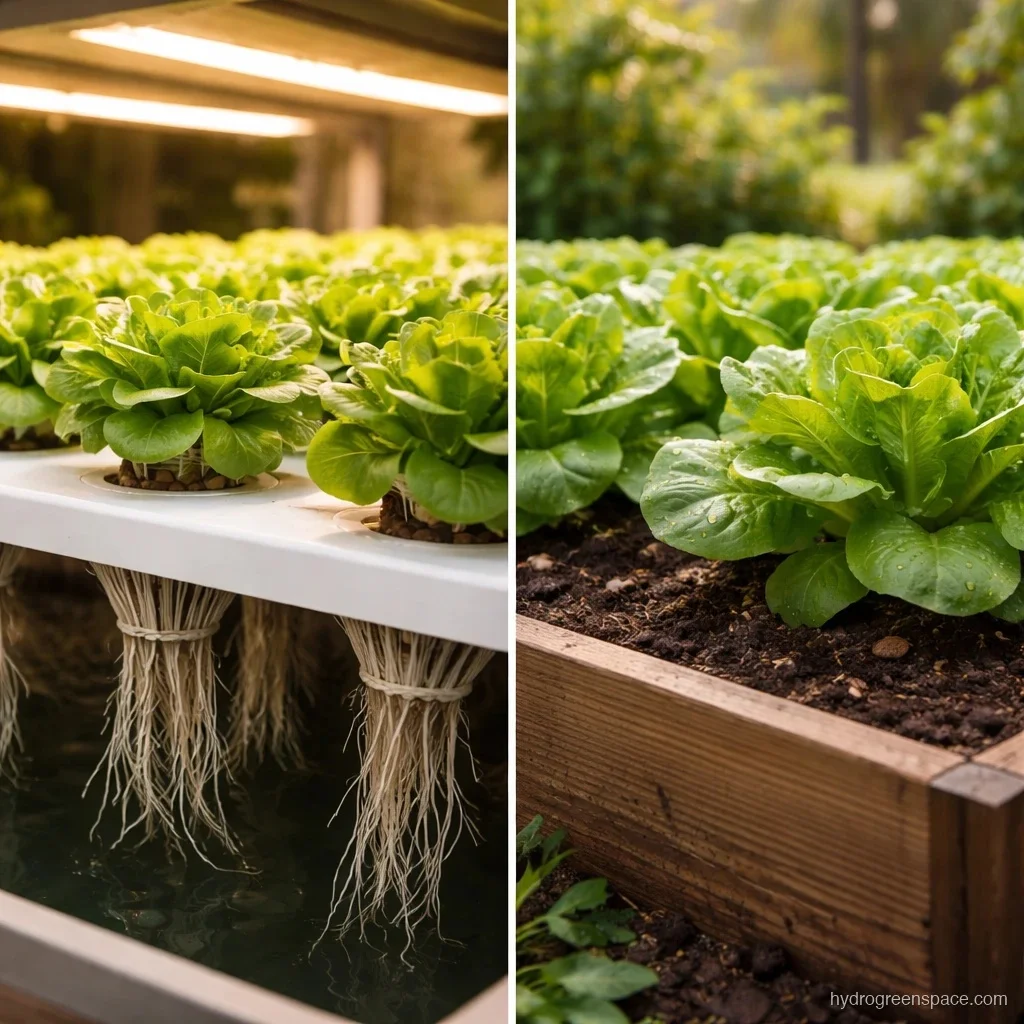
Most people who come to hydroponics are already gardeners. They’ve grown in soil, they know soil, and they’re wondering whether switching is actually worth it or just a lot of extra work for marginal gains.
The honest answer is: it depends on what you’re trying to grow, where you’re growing, and how much you enjoy tinkering.
Here’s a straightforward breakdown of how the two methods actually compare.
How Each System Works
Soil growing is the default. Roots anchor in a medium full of minerals, organic matter, and billions of microbial organisms. Those microbes break down organic material into forms the plant can absorb. The plant grows at the pace of that biological process.
Hydroponics removes the soil entirely. Roots sit in an inert medium (or just hang in air) and receive a precisely formulated nutrient solution directly to the root zone. There’s no waiting for microbes to break anything down. Nutrients are immediately available.
That one difference drives most of the performance gaps between the two methods.
Growth Rate and Yield
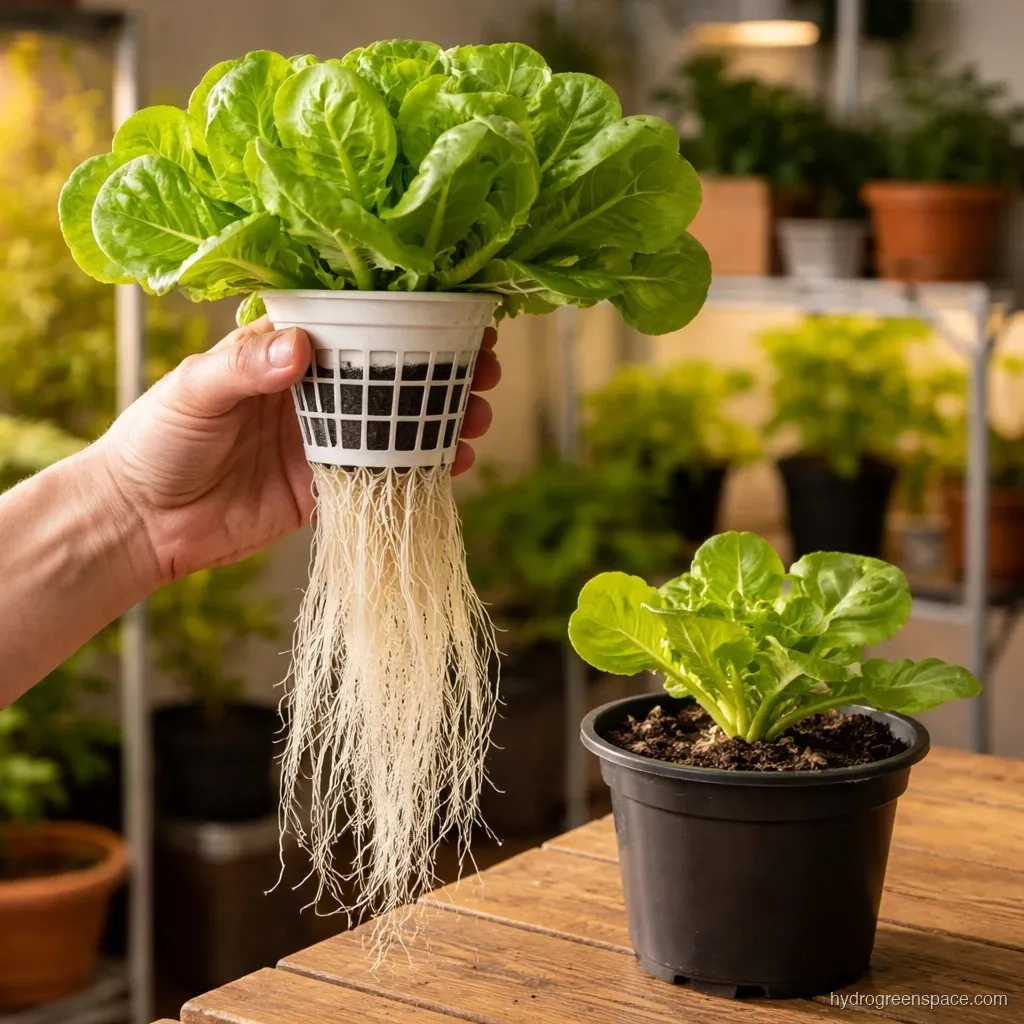
Hydroponic plants grow 30–50% faster than soil-grown plants, and in some systems, faster than that. A head of lettuce that takes 60 days in soil might be ready in 35–40 days in a deep water culture setup.
The reason is direct nutrient access. Soil-grown plants spend significant energy developing extensive root systems to hunt for nutrients. In hydroponics, nutrients come to the roots, so that energy goes into above-ground growth instead.
Yield follows the same pattern. Tighter control over nutrients, water, and environment means fewer variables eating into production. Commercial hydroponic growers report yields 20–25% higher per square foot compared to soil operations.
For a home grower, what this means practically: you get more harvests per year and faster turnaround between crops.
Water Efficiency
This is where hydroponics has the clearest, least-debatable advantage.
Soil loses water through evaporation, drainage, and runoff. A recirculating hydroponic system sends unused nutrient solution back to the reservoir and uses it again. Studies put the water savings at up to 90% compared to soil irrigation.
If you’re growing indoors in a controlled environment, soil can feel wasteful once you understand how much water is lost that never reaches the roots.
Cost to Get Started
Soil wins here, and it’s not close.
A bag of potting mix, some pots, and a packet of seeds runs you almost nothing. A basic hydroponic system, even a simple kratky setup, requires containers, net pots, grow medium, nutrient solution, and a pH meter at minimum. A proper recirculating system with lighting, timers, and a reservoir can easily hit $200–500 to get started with a small indoor setup.
What I’d do: If budget is the main concern and you’re completely new to indoor growing, start with a couple of kratky jars for herbs. No electricity, no pump, no reservoir management. You’ll learn the basics of hydroponics for under $30 and know whether you actually like it before investing more.
The ongoing costs also differ. Soil growers buy potting mix or amendments periodically. Hydroponic growers buy nutrient solution regularly and replace it on a schedule.
Setup and Maintenance Complexity
Soil is more forgiving. Overwater a plant in soil and the medium will typically drain or dry out before causing permanent damage. The microbial ecosystem buffers a lot of beginner mistakes.
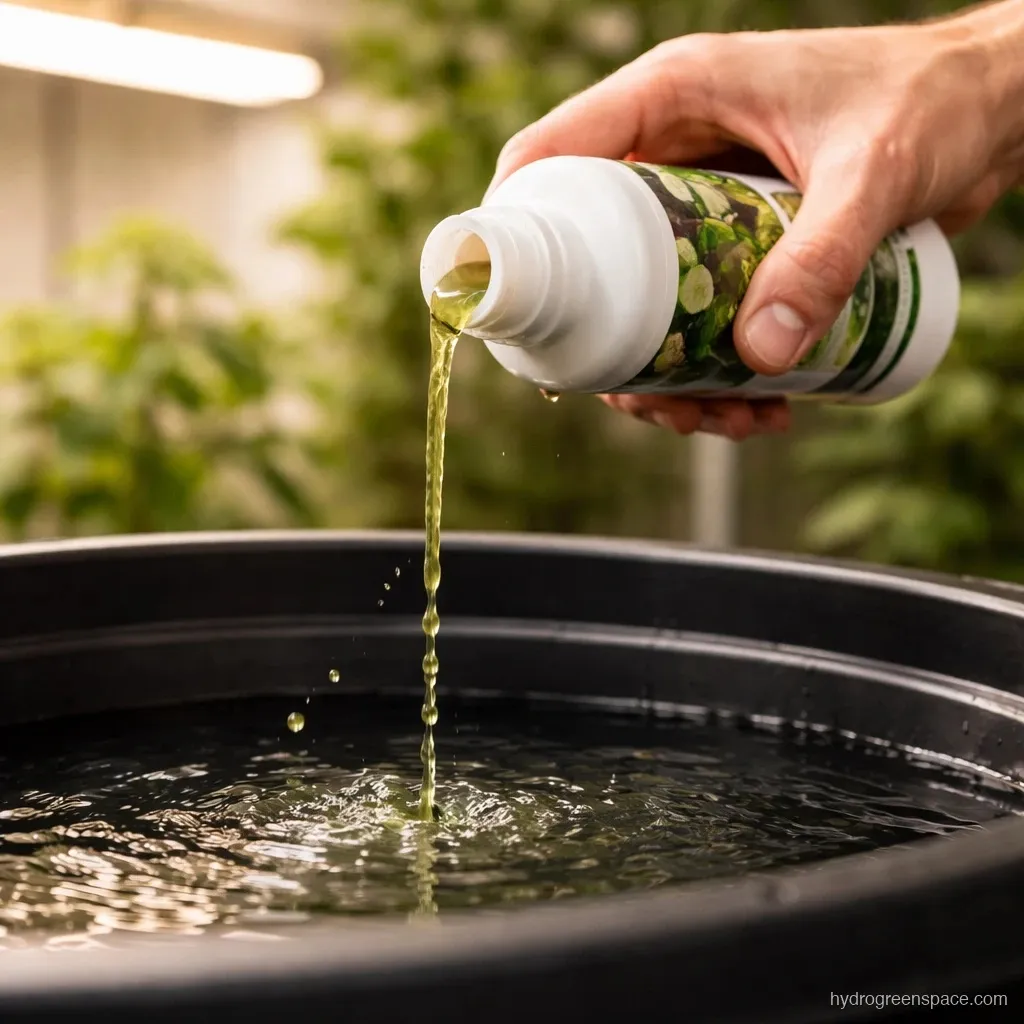
Hydroponics is less forgiving. A nutrient imbalance or pH swing that would cause mild stress in soil can crash a hydroponic plant in 24–48 hours. Root rot in a recirculating system can spread to every plant sharing a reservoir.
That said, the failure modes in hydroponics are also more predictable. You control the inputs, so when something goes wrong, you know what levers to check: pH, nutrient concentration (EC/PPM), temperature, dissolved oxygen. In soil, diagnosing a problem often means sending samples to a lab or guessing.
Experienced growers often say hydroponics is harder to start but easier to optimize.
Pest and Disease Pressure
Soil harbors pests and pathogens. Fungus gnats, root aphids, pythium, fusarium: these all live in soil. Moving indoors helps, but any bag of potting mix you bring in carries biological material you didn’t invite.
Hydroponics eliminates soil-borne threats entirely. You can still get foliar pests like spider mites or aphids, but the root-zone problems that kill plants are far less common. This matters a lot for indoor growers who want clean, pesticide-free produce.
Though reduced pest pressure is a genuine advantage, hydroponics has real downsides worth knowing before you commit.
Taste and Nutrition
This one is genuinely contested, and anyone who gives you a confident answer in either direction is simplifying it.
The argument for soil flavor: diverse microbial life produces secondary metabolites, terpenes, and organic compounds that influence taste in ways that a liquid nutrient solution can’t fully replicate. Many experienced growers swear that tomatoes and herbs grown in well-amended organic soil taste noticeably better.
The argument for hydroponics: controlled nutrition means plants get exactly what they need, and studies show hydroponically grown tomatoes can have higher lycopene and beta-carotene content than soil-grown counterparts. Flavor differences often come down to harvest timing and variety selection more than growing method.
The practical reality: a well-grown hydroponic plant beats a poorly-grown soil plant every time. The method matters less than the execution.
Which Is Better for Indoor Growing?
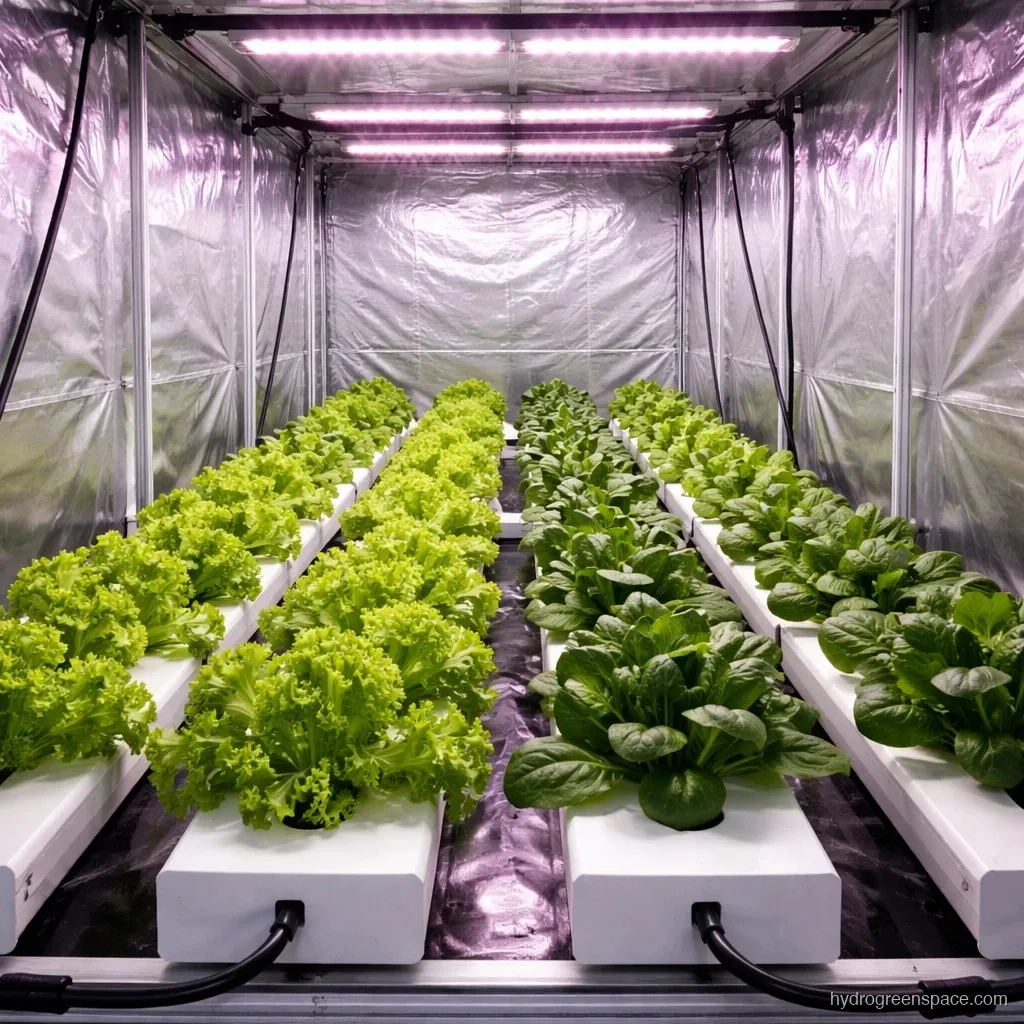
For indoor growing specifically, hydroponics has a structural advantage. You’re already controlling temperature, humidity, and lighting artificially. Adding nutrient control to the mix fits naturally. Soil indoors introduces mess, weight (grow bags get heavy), and the humidity risks that come with wet medium in an enclosed space.
Outdoors, soil is almost always the practical choice. It interacts with the natural environment, drains through the ground, and doesn’t require the same level of intervention.
If you’re leaning toward hydroponics, understanding which system fits your space is the next step.
Side-by-Side Comparison
| Factor | Hydroponics | Soil |
|---|---|---|
| Growth rate | 30–50% faster | Standard |
| Yield | Higher per sq ft | Lower per sq ft |
| Water use | Up to 90% less | High |
| Startup cost | $100–500+ | Low |
| Difficulty | Moderate–High | Low |
| Pest pressure | Low (no soil-borne) | Moderate–High |
| Flavor | Varies | Slight edge (organic) |
| Best for | Indoors, leafy greens, herbs | Outdoors, beginners, fruiting plants |
| Forgiving of mistakes | Less | More |
The Bottom Line
Hydroponics is a better system for indoor growing in terms of speed, water efficiency, and yield. It’s also harder to get right and more expensive to start.
Soil is more accessible, more forgiving, and produces flavors that are harder to replicate. For outdoor growing and for anyone new to gardening, it’s still the right default.
The two methods aren’t in competition. A lot of serious home growers use both. Soil outdoors in season, hydroponics indoors year-round.
If you’re still building your foundation, start with how hydroponics actually works before choosing a system.
If hydroponics sounds like the direction you want to go, the next thing to figure out is which type of system fits your setup. NFT, DWC, kratky, ebb and flow, aeroponics: none of them are interchangeable, and the right one depends on what you’re growing and how much space you have.