Aquaponics vs Hydroponics: Which System Is Right for You?
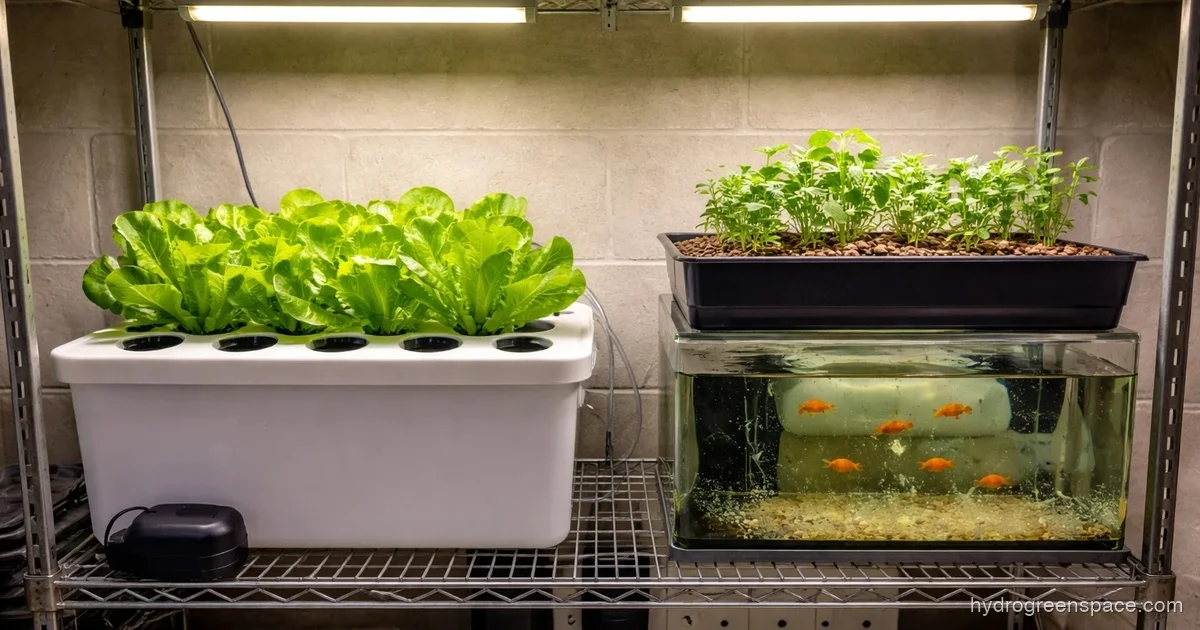
Both systems grow food without soil. Both are more water-efficient than a garden bed. But aquaponics and hydroponics are not the same thing, and choosing the wrong one as a beginner can cost you months of frustration. This article will give you a straight answer: which system fits your situation, your skill level, and what you actually want to grow.
The short version is this: hydroponics is simpler, faster to set up, and easier to dial in. Aquaponics is more self-sustaining once it’s running, produces food you can honestly call organic, and adds the dimension of raising fish. Neither is universally better. The right one depends on what you want out of the experience.
The Core Difference Between Aquaponics and Hydroponics
In a hydroponic system, you feed your plants a precisely formulated nutrient solution. You control everything: pH, EC (electrical conductivity), nutrient ratios, water temperature. The plants grow fast because they always have exactly what they need. How a hydroponic system works is actually pretty simple at the mechanical level: roots in water, nutrients dissolved in that water, lights or sun overhead.
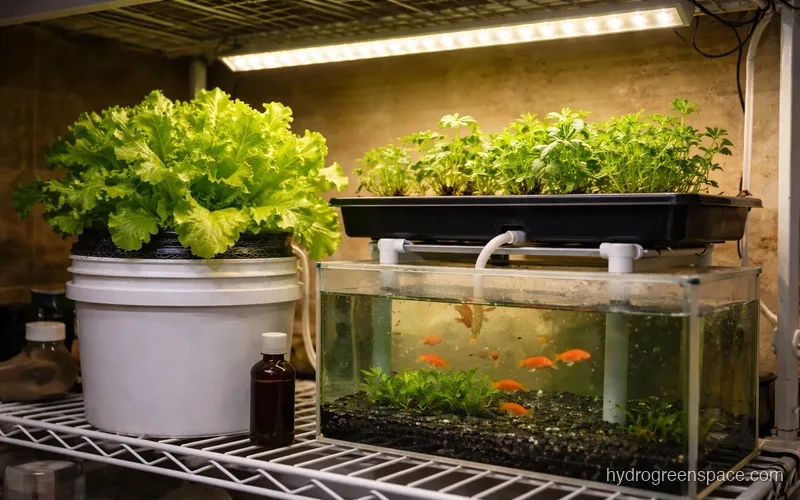
In an aquaponic system, fish do the feeding. Fish produce waste, beneficial bacteria convert that waste into plant-available nitrogen through the nitrogen cycle, and the plants absorb those nutrients while cleaning the water for the fish. It’s a symbiotic ecosystem. You’re not just growing plants. You’re managing a living biological system with fish, bacteria, and plants all depending on each other.
That distinction matters a lot for setup, maintenance, and how forgiving the system is when something goes wrong.
Setup Time and the Cycling Problem
You cannot plant on day one with aquaponics, and that gap matters more than most people expect before they commit.
A hydroponic system can be running and planted within a day or two of assembly. Mix your nutrient solution, check your pH, drop in your seedlings. Done.
An aquaponic system needs to cycle first. Cycling is the process of establishing the beneficial bacteria colonies that convert fish waste (ammonia) into nitrites and then into nitrates that plants can use. This takes 4 to 8 weeks depending on your system size, water temperature, and how you seed the bacteria. Until the cycle is complete, ammonia levels can spike and kill your fish, or leave your plants without usable nutrients.
What I’d do: If you’re new to aquaponics, use a “fishless cycling” method first. Add a source of ammonia (pure ammonia from a hardware store, or fish food left to decompose) and let the bacteria establish before adding live fish. It takes longer but protects your investment.
For someone who wants to start growing food this weekend, hydroponics wins that comparison by a wide margin.
Cost to Start: What You’re Actually Paying For
A basic DWC (deep water culture) hydroponic setup can cost as little as $50 to $100 for a beginner system. You’re buying a container, an air pump, net pots, growing medium, and nutrients. Exploring the main types of hydroponic systems shows how wide the range is (from simple Kratky jars to full recirculating setups), but the entry point is low.
Aquaponics costs more upfront because you’re adding a fish tank, a filtration component, fish, and the biological media needed to house your bacteria. A functional beginner aquaponic setup typically runs $200 to $500 or more, and that’s before you account for the fish themselves, a heater if you’re keeping warm-water species, and a backup plan for the cycling period.
| Factor | Hydroponics | Aquaponics |
|---|---|---|
| Starter cost | $50 – $200 | $200 – $600+ |
| Time to first harvest | 3 – 6 weeks | 10 – 14 weeks (inc. cycling) |
| Maintenance (weekly) | 1 – 2 hrs | 2 – 4 hrs |
| Water usage | Low | Very low (recirculating) |
| Yield potential | High | Moderate to high |
| Organic certification | Contested | Yes (USDA organic eligible) |
| Learning curve | Moderate | High |
Which Grows Food Faster?
Hydroponics wins on speed. Because you’re delivering nutrients directly to the root zone in precise concentrations, plants grow faster than they would in soil or in a comparable aquaponic setup. Lettuce in a DWC system can go from seed to harvest in 25 to 35 days under good lighting.
Aquaponic nutrient levels are dictated by your fish load and how well your biological filtration is running. Nutrient density in the water is typically lower and less consistent, which means slightly slower growth rates. You can optimize this over time, but you won’t get the kind of dialed-in control you have with a bottled nutrient solution.
That said, aquaponics produces two food outputs: plants and fish. Tilapia, trout, and catfish are common choices for home systems. If you’re interested in harvesting both greens and protein from the same setup, the math changes.
Water Usage: Both Are Efficient, But for Different Reasons
Both systems use dramatically less water than in-ground gardening. Hydroponics recirculates water through the system, only losing moisture to plant transpiration and evaporation. A hydroponic system typically uses 70 to 90 percent less water than a soil garden growing the same crop.
Aquaponics is even more water-efficient in raw terms because the fish tank acts as a reservoir and the system is fully closed-loop. Water only leaves through evaporation and plant uptake. You’re also not dumping and replacing your nutrient solution the way some hydroponic setups require.
The environmental benefits of growing your own food this way extend beyond water: less land use, no runoff, year-round production. You can read more about the environmental advantages of hydroponics if you’re weighing sustainability factors.
Can You Just Add Fish to a Hydroponic System?
This is one of the most common misconceptions I see from people moving between the two systems: the idea that aquaponics is just hydroponics with fish thrown in.
It’s not. You cannot simply add fish to a hydroponic system and call it aquaponics.
A hydroponic nutrient solution is chemically hostile to fish. It contains chelated iron, synthetic mineral salts, and pH-adjusting chemicals at concentrations that would stress or kill fish quickly. The systems are designed around fundamentally different water chemistry.
Converting a hydroponic system to aquaponics requires draining the nutrient solution completely, rinsing all components, setting up a proper fish tank with filtration, and cycling the system from scratch. It’s essentially starting over.
The Organic Question
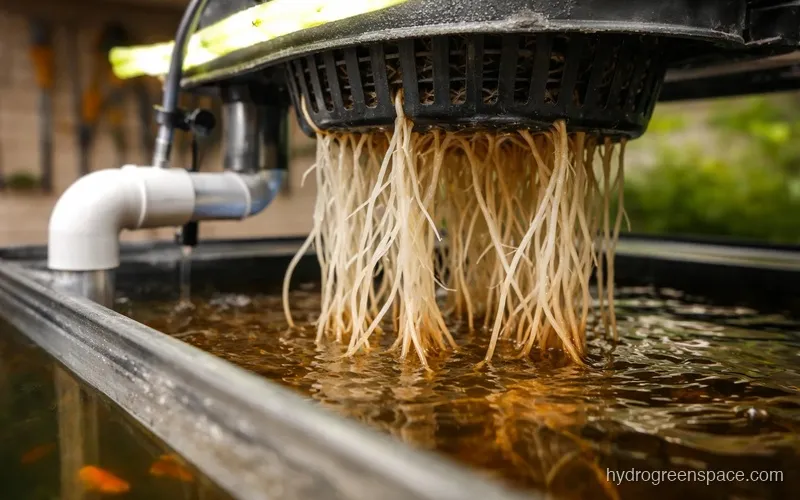
If your goal is to grow food you can honestly call organic, aquaponics has a clear advantage. Fish waste is a natural, organic nutrient source, and the nitrogen cycle is a biological process. Aquaponic produce can qualify for USDA organic certification under current rules.
Hydroponics sits in contested territory on this. The USDA allows hydroponic produce to be certified organic if the inputs meet organic standards, but many organic purists argue that soil is a fundamental part of the organic definition. The debate is ongoing. I wrote a full breakdown of whether hydroponic produce can be certified organic if you want to go deeper on that.
Common mistake: Assuming that “aquaponic” automatically means “organic.” The fish feed you use matters. If your fish are eating conventional pellets with synthetic additives, the organic case gets murkier. Use certified organic fish feed if organic certification is important to you.
The Maintenance Reality
Hydroponics maintenance mostly involves monitoring: checking pH and EC daily or every other day, topping off your reservoir, and doing a full nutrient solution change every 7 to 14 days. It’s predictable work that takes maybe an hour or two per week for a small home system. When something goes wrong (pH crash, nutrient deficiency), you can diagnose and fix it quickly.
Aquaponics requires all of that plus fish care. You’re feeding fish daily, testing ammonia, nitrite, and nitrate levels separately, watching for fish stress or disease, and managing the biological balance of the whole system. When something goes wrong in aquaponics, it can cascade: a sick fish spikes ammonia, the bacteria can’t keep up, nitrites rise, more fish get stressed. The system is self-regulating in ideal conditions, but it’s less forgiving when conditions shift.
Watch out for the common mistakes new growers make that apply across both systems (pH neglect and overfeeding top the list regardless of whether you’re growing in hydro or aquaponic media).
Which Is Right for You?
Here’s my honest breakdown by situation:
Start with hydroponics if:
- You’re a complete beginner and want to learn the fundamentals without managing a living ecosystem
- You want food on the table within a month
- You have limited space (a basement setup or a closet grow)
- Budget is a constraint
- You want precise control over your growing environment
Start with aquaponics if:
- You want a more self-sustaining, closed-loop system
- You’re interested in raising fish alongside your vegetables
- Organic growing matters to you and you want the most defensible claim
- You’ve already grown hydroponically and want a new challenge
- You have space for a proper fish tank (minimum 50 gallons for a functional home system)
If you’ve never grown hydroponically before, I’d strongly recommend starting there. The skills transfer directly: you’ll learn pH management, nutrient monitoring, and plant troubleshooting without the added complexity of the nitrogen cycle and fish health. Once you’re comfortable, the move to aquaponics is a natural next step.
For a deeper look at how aquaponics works as a system (including the different design styles and what crops thrive in it), the full aquaponics guide covers everything. And when you’re ready to pick your fish species, the breakdown of the best fish for a home aquaponic setup will save you from some expensive early mistakes.
Pick whichever system you’ll actually maintain. A healthy hydroponic system beats a neglected aquaponic one every time.