Is Hydroponics Good for the Environment? The Full Answer
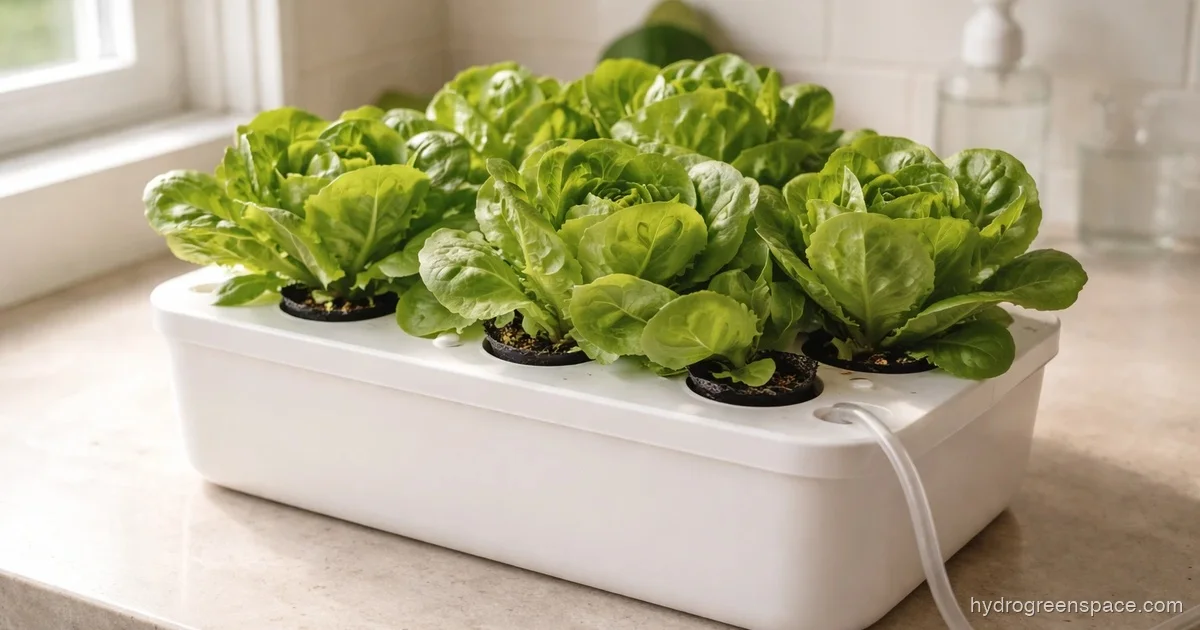
Conventional farming uses roughly 70% of the world’s freshwater, depletes topsoil at a rate that has scientists worried about the next 60 harvests, and ships produce thousands of miles before it hits your plate. Hydroponics sidesteps most of that, and when you run a system at home, the environmental math gets even more interesting. But the honest answer to whether hydroponics is good for the environment is “mostly yes, with one real caveat” and that caveat is electricity.
Knowing the full picture matters whether you’re growing herbs on a countertop or lettuce racks in your basement setup. If you’re new to the method, what is hydroponics builds the foundation before getting into the environmental specifics. Let me walk through the actual benefits, where the numbers come from, and the one place hydroponics can go wrong environmentally.
Water: The Clearest Win
Ask any experienced grower why hydroponics is good for the environment and water conservation is the first thing out of their mouth. Soil farming loses water constantly to runoff, evaporation, and deep percolation below the root zone. A closed-loop water system in hydroponics recirculates the same reservoir, with plants taking only what they need.
The commonly cited numbers back this up: hydroponics uses 70-90% less water than conventional soil farming for the same crop yield. That’s not marketing copy. University of Arizona research on lettuce production found hydroponic systems used 8 times less water per kilogram of produce. For water-stressed regions (or just for someone paying a water bill) that’s not a small thing.
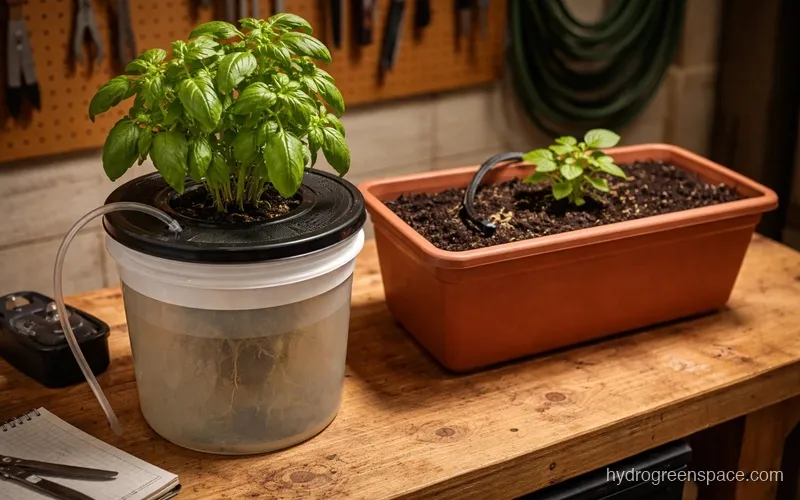
The biggest water savings come from recirculating systems: deep water culture (DWC), nutrient film technique (NFT), and flood-and-drain setups. The Kratky method takes it a step further since it has no pump at all. You fill the reservoir once and the plant consumes it directly, with near-zero loss to evaporation. For anyone thinking about the water footprint of their setup, Kratky is as good as it gets.
Tip: Cover your reservoir with a lid or dark material. Open reservoirs lose more water to evaporation than most growers realize, and algae growth means you’ll dump and replace nutrient solution sooner.
Less Land, More Food Per Square Foot
Hydroponics land use compared to conventional farming is one of the more striking advantages. Because you control every input (light, nutrients, temperature) you can stack plants vertically, run year-round production, and push yields that soil simply can’t match in the same footprint.
Studies comparing hydroponic lettuce to field lettuce typically show 2-4x more yield per square foot when light and nutrients are dialed in. Vertical farming takes that further, stacking 5-10 growing layers in the same floor space. For urban food production, that means abandoned warehouses and rooftops become viable growing space without clearing a single acre of land.
At home, this shows up practically: a 4x4 tent with two layers of net pots grows more basil in a month than a comparable patch of garden soil would in an entire season. The density is real.
Soil degradation prevention is an underappreciated piece of this. Conventional agriculture strips topsoil through tillage, monoculture, and synthetic runoff. Hydroponics doesn’t touch the soil at all. That’s not just an environmental benefit, it’s a food security argument. If you want to understand the broader comparison between these two approaches, the hydroponics vs soil farming breakdown covers the yield and sustainability numbers in more detail.
Pesticide Use: Lower, But Not Zero
Controlled indoor environments genuinely reduce pest pressure. Without open-air exposure, you’re not fighting the same insect populations that plague field crops. Many home growers run full systems for months without any pesticide whatsoever.
The reduction is real: a 2020 review in Agronomy found that hydroponic systems require significantly fewer pesticide applications than equivalent soil-grown crops. For the environment, that means less chemical runoff into waterways, less soil contamination, and less harm to beneficial insects and pollinators outside.
That said, hydroponics and pesticide reduction isn’t a complete picture without acknowledging that indoor grows can develop their own pest problems. Fungus gnats, spider mites, and aphids all thrive in certain indoor conditions. The difference is you catch them early, treat in a closed environment, and rarely need the heavy-application approach that field crops require.
Food Miles and the Local Food Argument
The average piece of produce in the US travels roughly 1,500 miles from farm to plate. Even “local” produce from regional farms often travels a few hundred miles and sits in cold storage before reaching a store.
A head of lettuce pulled from your kitchen grow rack traveled zero miles. The carbon footprint of that food includes the electricity used to grow it and nothing else. No diesel tractors, no refrigerated trucks, no controlled-atmosphere shipping containers.
At commercial scale, urban hydroponic farms still carry transportation advantages over imports. A warehouse in Chicago growing leafy greens for Chicago restaurants is meaningfully better than field lettuce from California, purely on distribution carbon.
The Electricity Problem (And When It Actually Matters)
Grow lights use electricity, and electricity has a carbon footprint. Whether hydroponics actually reduces your carbon footprint depends heavily on your power grid and your light source.
A 1,000-watt HID setup running 18 hours a day in a coal-heavy grid can produce more CO2 than the farming and shipping of equivalent produce from a solar-powered farm in a sunny climate. That’s not a hypothetical. It’s a real calculation, and pretending it doesn’t exist does no one any favors.
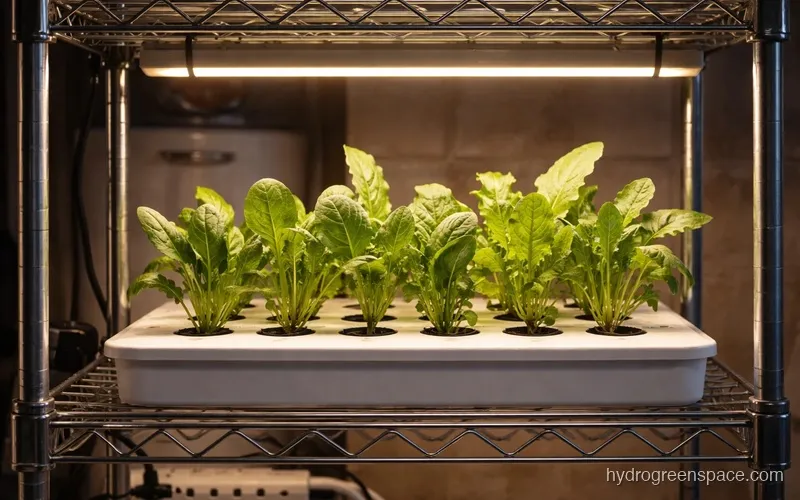
The honest answer: LED grow lights running on renewable energy are where the environmental equation fully tips in hydroponics’ favor. Modern quantum board LEDs use 40-60% less electricity than equivalent HID lights while delivering the same or better photosynthetically active radiation (PAR). If your utility grid runs on substantial renewable energy, or you’re on a solar home setup, the carbon argument strengthens significantly.
What I’d do: If you’re serious about the environmental case for your setup, run the numbers for your grid. Most utility providers publish their energy mix. If you’re on a predominantly coal or gas grid, prioritize LED efficiency and look into solar-powered hydroponics as a longer-term option. It genuinely changes the math.
For passive systems like Kratky with natural light or a south-facing window, this concern largely disappears. No pump, no artificial light, no meaningful electricity footprint.
Soil Health and Runoff Prevention
One of the quieter environmental benefits of hydroponics is what doesn’t happen to the surrounding ecosystem. Conventional agriculture is one of the leading contributors to waterway nitrogen and phosphorus contamination through nutrient runoff. Algal blooms, dead zones in coastal waters, and drinking water contamination all trace back significantly to agricultural runoff.
In a recirculating hydroponic system, the nutrient solution stays in the system. You’re not pouring nitrogen into the ground to drain into the local watershed. When you do eventually change out your reservoir, the spent nutrient solution can be diluted and used to water outdoor plants or garden beds. It doesn’t need to go down a drain at full concentration.
If you want to take this further, making your own nutrients from compost inputs reduces the synthetic chemical footprint of the system even more. The DIY nutrient approach from compost is one route that aligns the whole system with a lower-input philosophy.
Is Hydroponics Sustainable Long-Term?
Whether hydroponics is sustainable as a long-term food production method depends on the scale and inputs. At industrial scale, questions about plastic waste from growing media, energy grid dependency, and system lifespan are legitimate. At home scale, most of those concerns are manageable.
Your reservoir gets reused for years. Net pots last indefinitely. Growing media like clay pebbles can be cleaned and reused across multiple grows. A well-maintained home system doesn’t generate meaningful waste.
The sustainability case is strongest when you combine efficient systems with thoughtful inputs. Systems like beginner-friendly indoor setups that run LED lighting and recirculating nutrient delivery are the practical baseline for low-impact growing.
There are real downsides worth knowing about, and if you want an honest look at where hydroponics falls short, the piece on why hydroponics has drawbacks covers that side without hedging. And if you want to go even further on the sustainability angle, aquaponics vs hydroponics adds a biological loop that can reduce purchased inputs further.
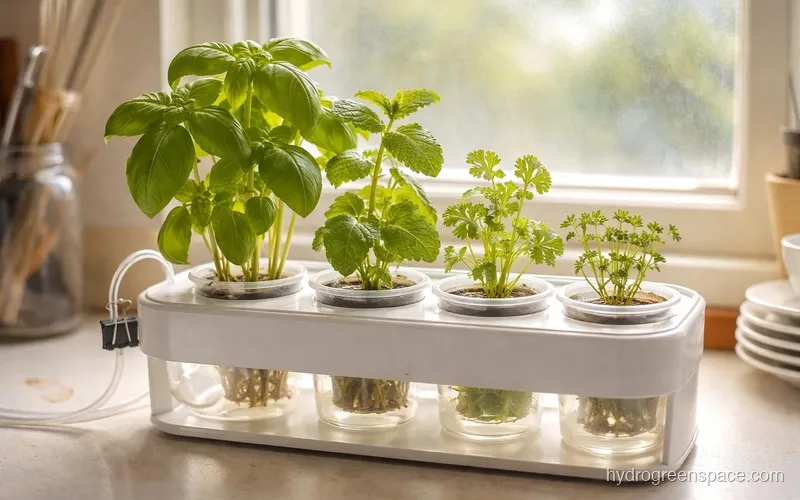
The growers I’ve seen run the most environmentally sound setups aren’t chasing perfection. They’re running efficient LEDs, recirculating their water, and growing crops they’d otherwise buy at a store. That’s where the math makes sense. Pick a system, run it efficiently, and the environmental case for what you’re doing is solid.