12 Plant Care Mistakes That Kill Hydroponic Crops Early
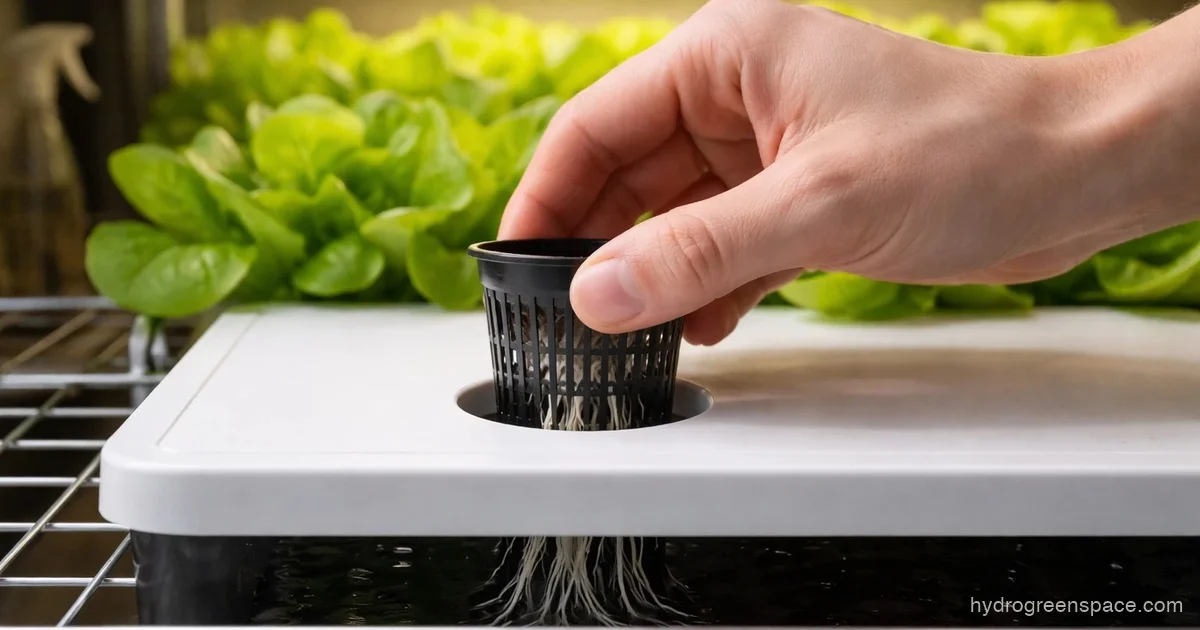
Most beginner hydroponic growers don’t lose plants to one catastrophic failure. They lose them to a slow accumulation of small, fixable mistakes, the kind that look harmless at first but compound over a week or two until the roots are brown and the leaves are curling and you’re Googling “why are my hydroponic plants dying” at midnight.
The good news is that most of these mistakes are predictable. Here are the twelve I see beginners repeat most often, along with what to do instead.
1. Ignoring pH Until Something Goes Wrong
pH is the single most overlooked variable in a beginner’s hydroponic setup, and it kills more crops than any other mistake on this list. In soil, organic matter acts as a natural buffer that softens pH swings. In a hydroponic system, there’s nothing to catch you; a pH of 7.5 in your reservoir locks out iron and manganese immediately, and your plants will start showing yellowing within days.
Target pH range: 5.5 to 6.5, with 5.8 to 6.2 being the sweet spot for most crops. Check it daily when you’re learning, and at minimum every two days once you know your system’s drift pattern. If your pH is swinging more than 0.5 points per day, something is off: your reservoir is too small, your nutrient concentration is too high, or you have a microbial issue.
For a deeper look at what causes these swings and how to correct them quickly, see managing pH fluctuation problems.
2. Overfeeding With Nutrients
More nutrients does not mean faster growth. In hydroponics it’s especially easy to overfeed because you’re mixing the nutrient solution yourself, and there’s no soil buffer to absorb the excess.
Start new seedlings or clones at 25–50% of the manufacturer’s recommended EC (electrical conductivity). Leafy greens like lettuce and herbs generally top out around 1.2–1.8 mS/cm. Heavy feeders like tomatoes or peppers can handle 2.0–3.5 mS/cm at peak growth, but not from week one.
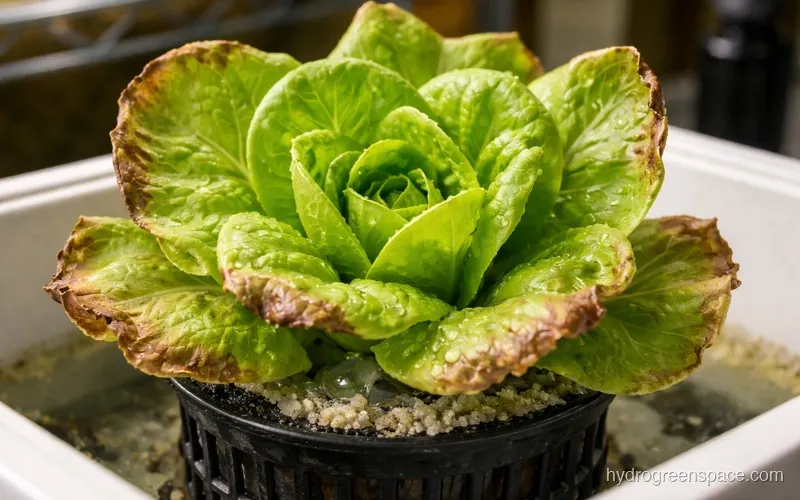
Overfeeding shows up as nutrient burn: brown, crispy leaf tips, leaf curling, and eventually root damage that looks a lot like root rot. If you’re not measuring EC, you’re flying blind. A cheap EC meter is one of the best investments a new hydroponic grower can make.
3. Not Enough Dissolved Oxygen at the Roots
Soil has air pockets. Hydroponic systems don’t, unless you build them in. Roots in standing, unoxygenated water will suffocate within 24 to 48 hours; this is what creates the anaerobic conditions that lead to root rot.
In a deep water culture (DWC) or reservoir-based system, run an air pump and air stone rated for at least twice your reservoir volume. In nutrient film technique (NFT) and ebb-and-flow, proper drain intervals handle oxygenation, but if your pump timer fails and water sits stagnant, you’ll have root problems fast.
Water temperature matters here too. Cold water holds more dissolved oxygen than warm water. Keep your reservoir below 72°F (22°C) if you can. Above 75°F, root rot risk climbs sharply.
Warning: If your roots are turning brown and slimy and there’s a foul smell from the reservoir, you likely already have root rot. Dropping dissolved oxygen is almost always the trigger, not just the symptom.
4. Using Tap Water Without Treating It First
Most municipal tap water contains chlorine or chloramine, added to kill bacteria. That’s great for your drinking glass, not great for your beneficial microbes or your plant roots. Chlorine will off-gas on its own if you let the water sit for 24 hours in an open container. Chloramine will not. It requires either a carbon filter or an ascorbic acid tablet to neutralize.
Beyond chlorine, check your tap water’s baseline EC before adding nutrients. Some tap water carries 0.4–0.6 mS/cm of dissolved minerals already. If you’re adding a full nutrient dose on top of that, you’re overfeeding without knowing it. For a complete breakdown of what to watch in your water supply, read water quality for hydroponics.
5. Overwatering (Yes, Even in Hydroponics)
Overwatering in hydroponics sounds like a contradiction, but it’s real. In media-based systems (coco coir, expanded clay, rockwool), roots need wet-dry cycles to absorb oxygen. Keeping the media constantly saturated prevents that.
For flood-and-drain systems, shorter flood cycles with longer drain periods give roots the oxygen exposure they need. In coco, a light watering every 12 to 24 hours is generally better than one heavy soak. When in doubt, pick up the pot. Lighter than you expect means the media is ready for another watering. Heavier means wait.
6. Wrong Light Intensity or Distance
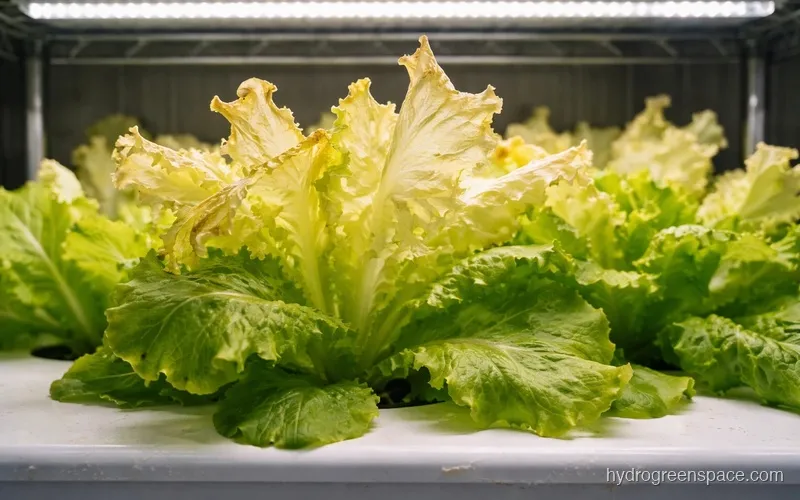
The error isn’t immediately obvious, which is why it catches so many beginners off guard. Grow lights that are too close cause light burn and heat stress: bleached, whitish patches on the top leaves, leaf curling, and stunted growth. Lights that are too far cause stretching: long, weak stems, pale leaves, and slow development.
For LED panels, a general starting point is 18–24 inches above seedlings and 12–18 inches during peak vegetative growth, depending on wattage and PPFD output. Check the manufacturer specs and use a PAR meter if you can borrow one. The exact numbers vary widely by fixture. For a full distance-by-fixture guide, see grow light distance from plants.
7. No Light Schedule Discipline
Plants need darkness. Even light-hungry crops like tomatoes and peppers need a dark period for proper metabolic function. Running your lights 24 hours a day doesn’t accelerate growth; it stresses the plant and over time can cause nutrient disorders and hermaphroditism in sensitive strains.
A 16/8 or 18/6 light-to-dark cycle works well for most vegetables and herbs in vegetative growth. Use a timer. Don’t rely on manually switching lights on and off; even small inconsistencies in the schedule affect plant performance over weeks.
8. Ignoring EC Drift in the Reservoir
As plants absorb nutrients and water evaporates, the nutrient concentration in your reservoir changes. If plants are drinking heavily but taking fewer nutrients (which happens under stress), EC climbs. If plants are consuming nutrients faster than water, EC drops.
Check EC at every water top-off, not just when you do a full reservoir change. Top off with plain pH-adjusted water, not fresh nutrient solution, unless EC is actually low. This is one of those small habits that separates growers who have consistent results from those who don’t.
What I’d do: Keep a simple log: date, pH, EC, water temp. After two or three cycles with the same plant variety, you’ll see the patterns and know exactly when to expect drift.
9. Transplanting Too Late or Too Early
Seedlings need to go into the hydroponic system at the right stage. Too early and the root mass isn’t developed enough to stabilize in the net pot; the plant rocks, roots lose contact with the nutrient solution, and growth stalls. Too late and the seedling is rootbound in its starter cube, with circling roots that will struggle to expand.
The right time: transplant when you see roots visibly emerging from the bottom of the starter plug or rockwool cube, but before those roots are more than a couple of inches long. For most leafy greens and herbs, this is around 10 to 14 days from germination.
10. Skipping System Type Research Before Buying
A lot of early plant care mistakes happen before the first seed is planted, because the grower bought the wrong system for their goals. Kratky is ideal for low-maintenance lettuce. DWC shines for fast-growing leafy crops with more hands-on management. NFT suits commercial-scale greens but punishes you fast if the pump fails. Wicking systems are great for herbs but can’t support heavy-feeding plants.
If you’re still deciding on a setup or thinking about expanding, comparing hydroponic system types is worth reading before you spend money. The beginner mistake is buying whatever is cheap or popular, then trying to grow crops that don’t suit the system.
11. Missing Early Nutrient Deficiency Signs
Yellowing leaves aren’t always nitrogen deficiency. Pale new growth is different from yellowing old leaves. Purple stems point to phosphorus issues. Brown leaf edges with a yellow halo suggest calcium deficiency, which is common in fast-growing hydroponic crops because calcium is a slow-moving nutrient that needs consistent uptake.
The key is catching deficiencies early, before they cascade. Once a plant is severely deficient in a mobile nutrient like nitrogen or magnesium, the damage to older leaves is permanent; you can only prevent new growth from showing the same symptoms. Learn the visual signs now, before your first crop is in the water. A nutrient deficiency chart is worth bookmarking.
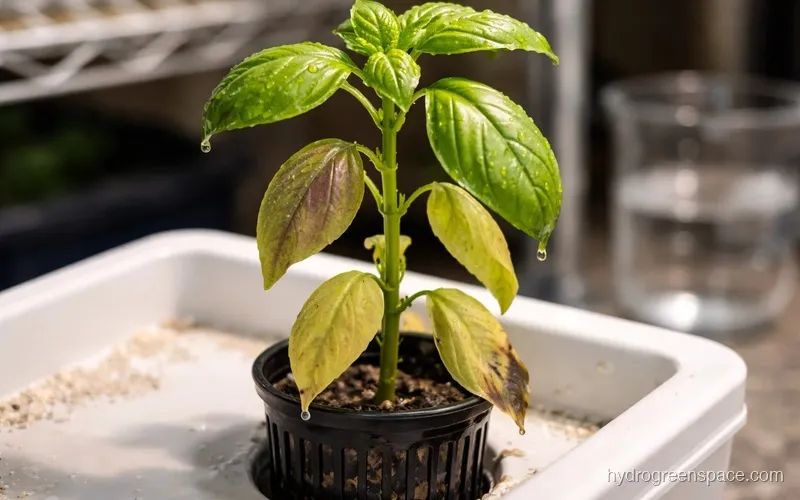
12. Changing Too Many Variables at Once
When something goes wrong, the instinct is to fix everything immediately: adjust pH, raise the light, change the nutrient solution, add a new supplement. The problem is that if things improve (or get worse), you won’t know what caused the change.
Fix one variable at a time. Give the plant 24 to 48 hours to respond before changing something else. The exception is a genuine emergency: if roots are rotting or pH is at 7.8, fix those first. But for slow-developing issues like mild yellowing or slight leaf curl, resist the urge to throw the kitchen sink at it.
If you’re just getting started and want to understand how hydroponics compares to growing in soil before you commit to a system, hydroponics vs. soil lays out the honest trade-offs. And if you want to reduce your input costs once you’re up and running, making your own nutrients is more accessible than most growers think; DIY hydroponic nutrients from compost walks through the process.
The mistakes above are all fixable, most of them quickly. The growers who do well in hydroponics aren’t the ones who never make mistakes; they’re the ones who recognize the signs early and correct course without overcorrecting. Pick one or two items from this list that apply to your current setup and start there.
For a systematic way to work through any active problem in your system, the hydroponic troubleshooting guide covers the most common issues with step-by-step diagnosis organized by symptom.