Lettuce Grow Farmstand Review: Honest Buyer's Guide
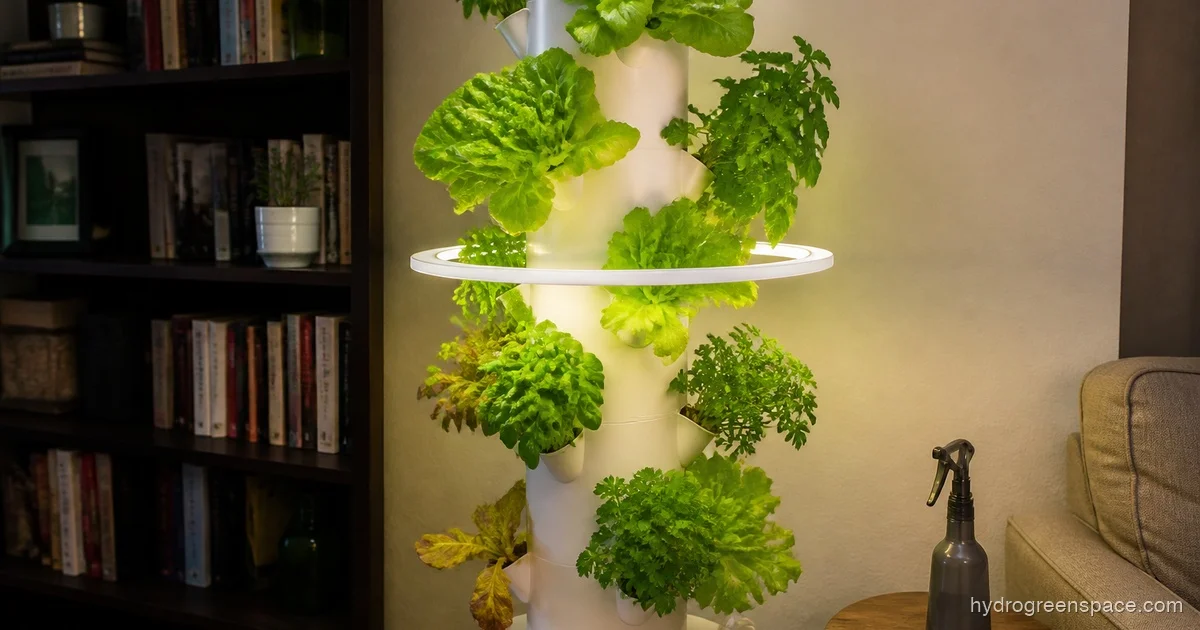
The Lettuce Grow Farmstand costs somewhere between $350 and $700 depending on size, and that price tag stops a lot of people in their tracks. Before you pull the trigger, here is the honest answer: it is one of the best ready-to-grow vertical hydroponic systems on the market for leafy greens and herbs, and a poor fit if you want to grow tomatoes or peppers without babysitting conflicting nutrient needs. This review covers everything a first-time buyer needs to know, including the hidden ongoing costs that catch people off guard.
| Size | Best For | Pods | Price |
|---|---|---|---|
| Farmstand 12-Pod | Singles, couples, budget-conscious starters | 12 | ~$350 |
| Farmstand 24-Pod | Households of 2–4, most home growers | 24 | ~$500 |
| Farmstand 36-Pod | Large households, serious growers | 36 | ~$650 |
Who the Farmstand Is Actually For (and Who Should Skip It)
The Farmstand hits its sweet spot with growers who want a turnkey system, no DIY, and consistent harvests of lettuce, herbs, and edible flowers. If you are willing to pay for convenience and you eat greens regularly, the math eventually works in your favor.
Skip it if you:
- Want to grow fruiting crops (tomatoes, peppers, cucumbers) as the primary use
- Are on a tight budget and fine with some assembly or experimentation
- Want full control over seedling selection without paying a premium
If you fall into the second category, check out the best vertical hydroponic systems for home growers for options at different price points.
What Is the Lettuce Grow Farmstand?
The Farmstand is a self-watering, vertical aeroponic tower system designed for home use. Water and nutrients cycle from a reservoir at the base up through a center tube and mist over the plant roots. The roots hang in the air inside the tower chambers, which is what makes it aeroponic rather than a standard NFT or DWC setup.
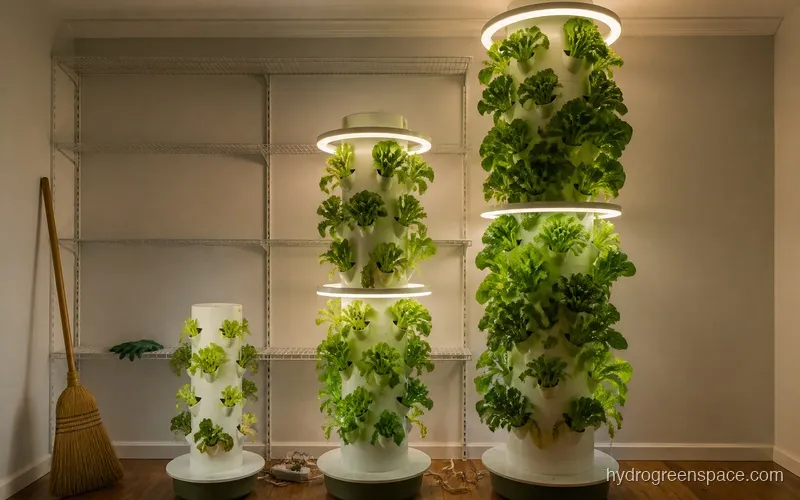
It comes in three sizes: 12, 24, and 36 growing sites. You stack modular rings to build the tower, which means you can start with a 12-pod unit and expand later without buying a whole new system. The outdoor version runs without a light source, while the indoor Farmstand requires their Glow Rings LED grow light attachment.
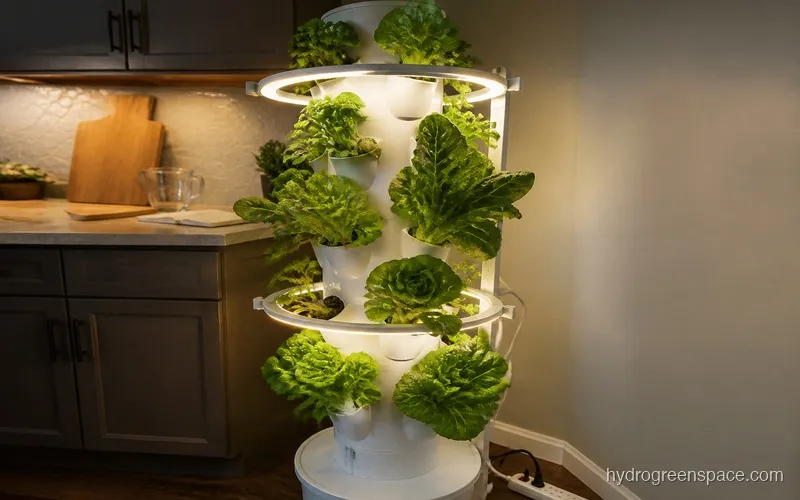
The Farmstand Nook is a newer, compact version designed specifically for indoor spaces with limited floor footprint. It holds 12 plants and has a tighter column footprint than the standard Farmstand. The tradeoff is that the Nook is harder to expand.
Setup: Simpler Than You Think, With One Catch
Assembly is genuinely straightforward. You stack the rings, attach the pump, fill the reservoir, and plug in the timer. Most growers are up and running in under an hour. The pump timer is pre-set, which removes one more variable for beginners.
The catch is the seedlings. Lettuce Grow sells pre-sprouted seedlings in their proprietary pods, and those pods are designed to fit their tower. You can use third-party seedlings or even start from seed, but it takes some trial and error to get a snug fit that does not let light leak in and cause algae in the root zone. More on that below.
Tip: Order your seedlings a few days before your tower arrives. They ship on a schedule, and running an empty tower for two weeks while you wait for your first seedling shipment is a waste of nutrients and patience.
The indoor Farmstand with Glow Rings is heavier than it looks. Once you fill the reservoir and the plants are established, moving the system is genuinely difficult. Pick your spot carefully before you fill it up. This is one of the most common complaints from Reddit users who have tried to relocate a full tower.
→Check price on Lettuce Grow Farmstand with Glow Rings (Indoor)Required for indoor growing without a natural light sourceWhat Grows Well (and What Does Not)
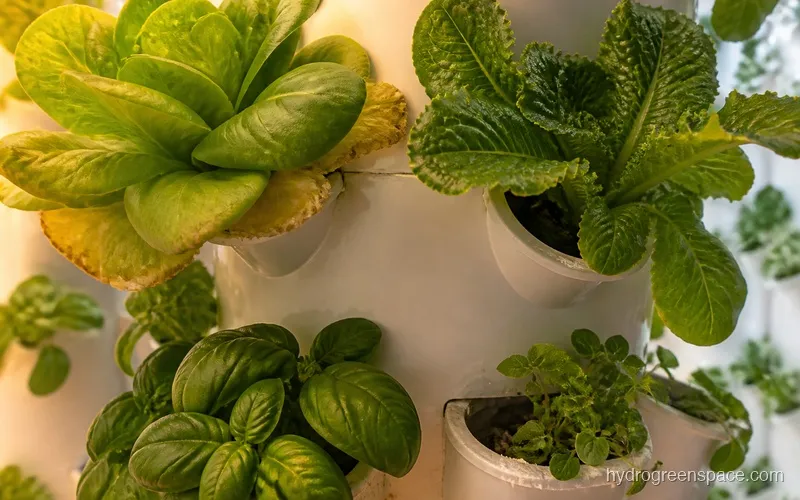
This is where experience matters more than marketing copy. The Farmstand excels at:
- Lettuce (all varieties, especially butterhead, romaine, and oakleaf)
- Herbs (basil, cilantro, mint, parsley)
- Edible flowers (nasturtium, violas)
- Kale and chard (smaller varieties do better)
The system technically supports strawberries and some fruiting crops, but here is the real problem: lettuce wants a nutrient EC of around 1.2 to 1.6, while basil does best closer to 1.6 to 2.0, and tomatoes want 2.5 to 3.5. Every plant in your tower shares the same reservoir. If you mix heavy feeders with light feeders, someone is always unhappy. Stick to one plant family per tower, or keep the whole tower to leafy greens and herbs.
For anyone going deeper on growing lettuce specifically, growing hydroponic lettuce covers everything from seeding to harvest timing.
The Real Cost of Running a Farmstand
Upfront cost:
- 12-pod Farmstand: around $350 to $400
- 24-pod Farmstand: around $500 to $550
- 36-pod Farmstand: around $650 to $700
- Glow Rings (indoor): $150 to $200 additional, depending on the ring size
Ongoing cost:
- Seedlings from Lettuce Grow: roughly $6 to $8 per seedling pod
- Lettuce Grow plant food (their branded nutrient line): around $25 to $30 per bottle. The General Hydroponics Flora Series works as a third-party alternative at roughly half the cost per gallon: →Check price on General Hydroponics Flora Series
- Electricity for the pump and Glow Rings: modest but not zero
A 24-pod tower planted fully with Lettuce Grow seedlings costs roughly $150 to $175 just to fill at planting. If you harvest every 3 to 4 weeks (which is realistic for lettuce), that seedling spend adds up fast. This is the seedling cost lock-in problem that comes up constantly in grower communities.
The workaround: You can start from seed using rock wool cubes or seedling plugs that fit the pod openings. It takes more attention during germination, but cuts your per-plant cost from $6 to $8 down to under $1. The system does not require Lettuce Grow seedlings; they just make it easier for beginners.
What I’d do: Start with one round of Lettuce Grow seedlings to learn the system, then transition to starting your own seeds by round two. The learning curve is low once you see how the pods work.
Lettuce Grow Farmstand vs Tower Garden
The Tower Garden review covers that system in full, but here is the direct comparison for buyers weighing both.
| Farmstand | Tower Garden | |
|---|---|---|
| Growing method | Aeroponic | Aeroponic |
| Starting size | 12 pods | 20 pods |
| Expandable | Yes (in 12-pod increments) | Yes |
| Indoor light option | Glow Rings | Tower Garden Farm Stand Light |
| Seedling flexibility | Works with third-party seeds | Works with third-party seeds |
| Price (entry) | ~$350 | ~$700+ |
| Best for | Leafy greens, herbs | Wider crop variety |
The Tower Garden has a longer track record and slightly better commercial-grade build quality. The Farmstand wins on entry price, aesthetics (many people prefer how it looks in a kitchen or dining room), and the modular expansion option. For most home growers who want leafy greens year-round, the Farmstand is the better starting point.
If you want something that goes even bigger, the Exo 16-plant vertical tower is worth a look for growers who want more capacity than either of these.
Lettuce Grow Farmstand vs AeroGarden
These two are not really competing for the same buyer, but the comparison comes up enough to address it.
AeroGarden is a countertop appliance. Seven to nine pods, lights built in, designed for herbs and small greens on a kitchen counter. It is easy, low commitment, and costs $100 to $200.
The Farmstand is a floor-standing vertical system. Twelve to thirty-six pods, much larger harvest volume, designed to replace a meaningful portion of your grocery store greens.
If you want to grow enough basil for pesto twice a week and a handful of cherry tomatoes, AeroGarden fits. If you want to grow enough salad greens to stop buying bagged lettuce, the Farmstand is in a different category entirely. Comparing them is like comparing a blender to a stand mixer.
12 vs 24 vs 36 Pod: Which Size Should You Get?
This is the question that closes most buying decisions.
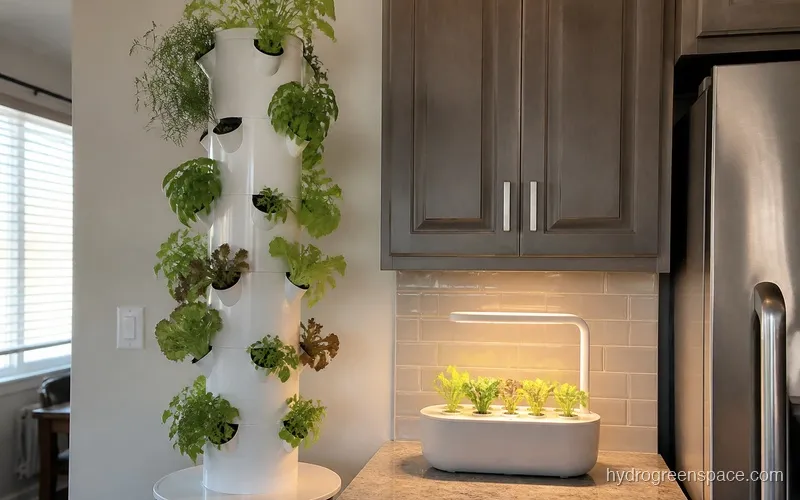
12-pod Farmstand: Twelve pods sounds like a lot until you realize lettuce grows fast and you will want more space within a few months. Good starting point if budget is the primary constraint.
Lettuce Grow Farmstand 12-Pod
The entry-level Farmstand: compact, modular, and expandable. A solid starting point if budget is the main constraint.
Best for: Singles, couples, or first-time hydroponic growers starting small
Check price on AmazonExpandable to 24 or 36 pods by adding rings later, but costs more per pod than buying larger upfront.
24-pod Farmstand: The sweet spot for most households. Feeds two to four people a meaningful amount of greens if you stagger plantings so not everything is ready at once. This is the size most experienced growers recommend for a first serious system.
Common mistake: Buying the 12-pod and immediately wishing you had bought the 24. The modular design lets you add rings later, but you will pay more per pod doing it that way than buying the larger size upfront.
Lettuce Grow Farmstand 24-Pod
The sweet spot for most home growers, with enough harvest volume to meaningfully reduce grocery store lettuce runs.
Best for: Households of two to four people who want consistent greens year-round
Check price on AmazonMost experienced growers recommend this size as the first serious system for a household.
36-pod Farmstand: For growers who are serious about replacing grocery store produce or want to grow for a larger household. The height becomes a consideration here; you will need a stepstool to reach the top pods comfortably.
Lettuce Grow Farmstand 36-Pod
Maximum harvest volume for large households or serious growers who want to replace a significant portion of their grocery greens.
Best for: Large households or growers who want the highest possible output
Check price on AmazonTall enough to require a stepstool for the top pods. Plan your space before ordering.
The best lettuce for beginners in hydroponics is worth reading before you choose your first seedling varieties, especially if you want a quick first harvest to validate the system.
A Few Things to Know Before Buying
Nutrient and pH management: The Farmstand is simpler than a DIY DWC system, but it is not zero-maintenance. You will top off the reservoir with water and nutrient solution every few days, and checking pH weekly keeps your plants from mysteriously underperforming. A reliable pH meter makes this a two-minute task instead of a guessing game: →Check price on Apera PH20 pH Tester If you have never managed nutrient solution before, read up on how a hydroponic tower works before your first fill.
Root tangling: As plants mature, roots from neighboring pods can grow together inside the tower. This is mostly cosmetic but can become a problem at harvest time. The fix is harvesting entire plants rather than trimming leaves, then replanting.
Leaking at the base: A real issue if roots grow long enough to block the drain back into the reservoir. The solution is not to let plants get root-bound before harvest. Harvest on schedule (every 3 to 4 weeks for most lettuce) and you will not see this problem.
Outdoor use: The Farmstand works outdoors without any lights, and it actually thrives in a sunny spot. Wind can be an issue for taller configurations. Anchor it if you are in a breezy climate.
If the Farmstand is your first vertical system, start with a single variety of butterhead lettuce across all pods for your first round. You will dial in the nutrient solution without conflicting plant needs, build confidence, and get a fast harvest. After that, experiment. The system rewards growers who learn it before they complicate it.