Best Vertical Hydroponic Systems for Home Growers
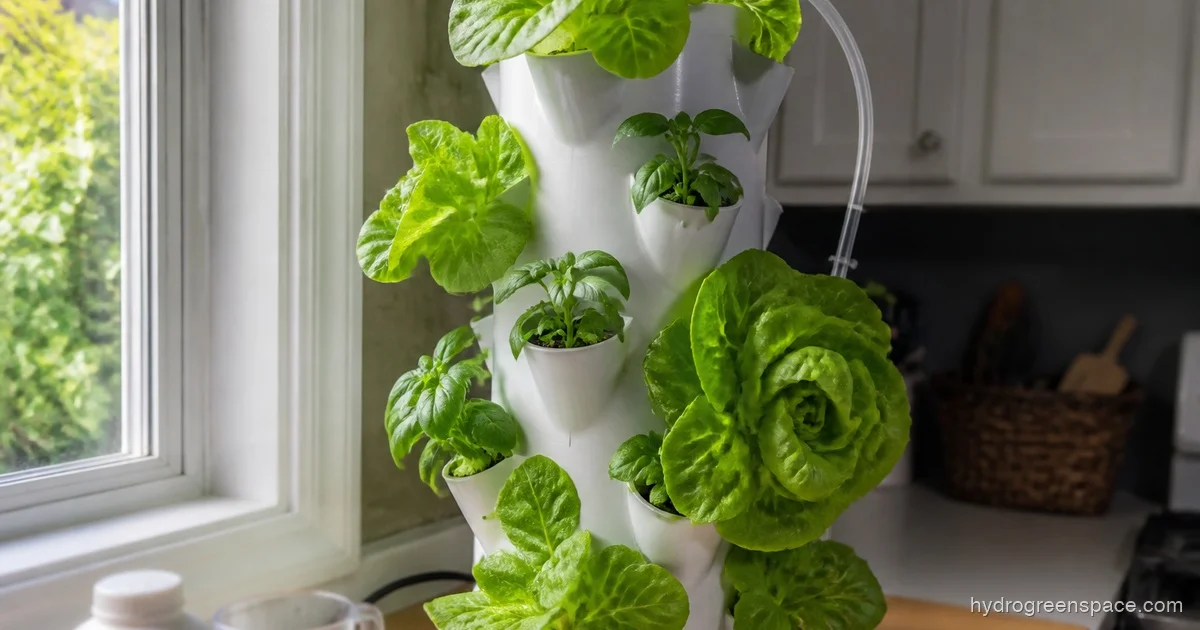
Picking the right vertical hydroponic system is harder than it looks. The marketing photos show lush towers overflowing with basil and lettuce, but most buyers end up underwhelmed when the system doesn’t fit their space, their skill level, or what they actually want to grow. I’ve grown in towers, worked through the setup headaches, and watched which systems hold up and which ones get relegated to the garage.
This guide cuts through the noise. Whether you’re working with a corner of your apartment, a sunny patio, or a garage setup with grow lights, there’s a system here that fits (and a few that don’t, which I’ll tell you about too).
If you want to understand the mechanics before spending money, the article on how a hydroponic tower works is worth reading first.
The Short Answer by Use Case
Not everyone needs to read a 2,000-word breakdown. Here’s where I’d point different growers:
- Best overall for home use: Tower Garden HOME (or FLEX for outdoors)
- Best for apartments and small spaces: Lettuce Grow Farmstand (compact footprint, very clean design)
- Best tech-forward option: Gardyn Home Kit 3.0
- Best budget tower: LetPot LPH-Max
- Best for serious growers who want to DIY: EXO 16-Plant Tower or a PVC build
Now let’s go deeper on each one.
Tower Garden HOME / FLEX
Tower Garden is the system that put vertical aeroponics on the map for home growers. The HOME version runs indoors with a grow light ring included. The FLEX is the outdoor version and can also run indoors if you have enough natural light.
Both use aeroponic delivery, meaning the pump sends a fine mist to the roots rather than submerging them or running a slow drip. The result is faster growth and higher oxygen exposure at the root zone than most NFT or DWC-based towers can match. In my experience, herbs especially respond well to this. Basil and mint can be harvested every 7 to 10 days once established.
The tower holds 20 plant sites on the standard model. It’s a vertical aeroponic tower system that works best for leafy greens, herbs, and compact fruiting plants like cherry tomatoes (with some support). The main drawback is price: this isn’t a budget purchase. And the proprietary nutrients are good but expensive over time.
Tower Garden HOME
20-site aeroponic tower with grow lights designed for indoor year-round growing. Uses fine mist delivery for fast root oxygenation and strong herb and leafy green production.
Best for: Indoor year-round growers who want a proven, all-in-one system
Check price on AmazonTower Garden also sells a seedling starter kit separately. Worth adding to your order if this is your first grow.
Lettuce Grow Farmstand
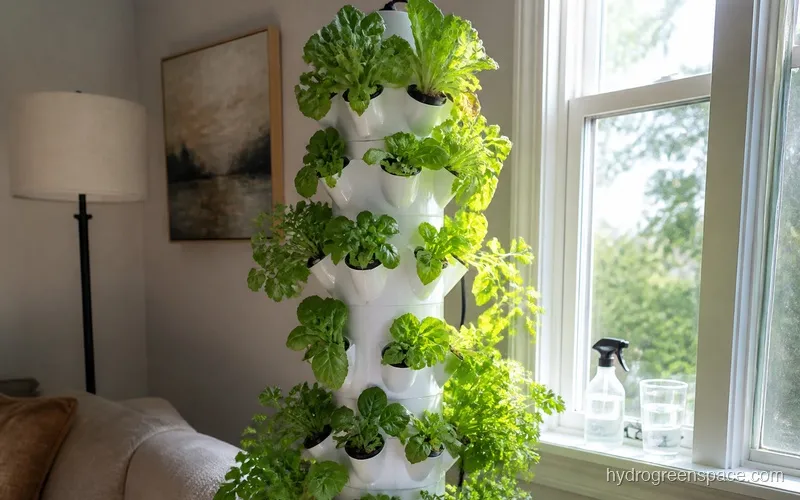
The Farmstand is the vertical hydroponic garden system I’d recommend to anyone who prioritizes aesthetics and simplicity. It’s designed to live in your kitchen or dining room. It doesn’t look like lab equipment, which matters if you live with people who aren’t already sold on hydroponics.
It comes in sizes ranging from 12 to 36 plant sites, which makes it genuinely flexible. A 12-plant Farmstand fits on a standard countertop; the 36-plant version stands floor-to-ceiling and can feed a serious salad habit. The system runs on recirculating water with an automated pump cycle, so the setup is beginner-friendly. Lettuce Grow also offers an optional grow light ring if you’re in a lower-light space.
What it’s not great for: large fruiting crops like full-size tomatoes, peppers, or anything with a long grow cycle. The nutrient solution management is also a little more hands-on than the marketing suggests. You’ll need to check EC and pH regularly, same as any hydroponic system.
Lettuce Grow Farmstand
Recirculating vertical garden system in sizes from 12 to 36 plant sites. Clean, modern design that fits living spaces. Optional grow light ring available for low-light rooms.
Best for: Apartments, kitchens, and growers who care about the look of their setup
Check price on AmazonGardyn Home Kit 3.0
Gardyn takes a different approach: instead of a tower, it uses two vertical columns of 30 plant pods total, with a built-in grow light spanning both columns. The system is app-controlled, has a built-in camera so you can monitor your plants remotely, and uses a subscription model for their Hybripods (pre-seeded pods).
If you want the most hands-off indoor vertical hydroponic system available, Gardyn is genuinely close to that. The app notifies you when to add water or nutrients, and the camera lets you check plant health from your phone. It’s a great fit for frequent travelers or anyone who wants to grow without becoming a hobbyist.
The subscription is the sticking point for a lot of growers. You can use third-party seeds in custom pods, but the system is clearly designed around Gardyn’s own supply chain. If you want full control over what you grow and how, a more open system like the Tower Garden or Farmstand gives you more flexibility.
Gardyn Home Kit 3.0
30-pod dual-column indoor garden with integrated grow lights, app control, and a built-in camera for remote plant monitoring. Subscription pods available, third-party seeds also work.
Best for: Busy growers who want automation and minimal hands-on management
Check price on AmazonEXO 16-Plant Vertical Tower
The EXO 16-Plant Tower sits in an interesting spot in the market: more plant capacity than a beginner system, but less polished than the premium options. It’s a vertical hydroponic system for small spaces that punches above its price point.
I put together a full breakdown of this one in the EXO 16-plant vertical hydroponic tower review, so I’ll keep this section focused on where it fits. The system runs 16 pods in a recirculating tower format, works indoors or outdoors (you’ll need a separate grow light indoors), and is significantly cheaper than Tower Garden or Farmstand. The build quality reflects that price, but for a grower who wants to learn the system before investing more, it’s a solid starting point.
It’s also the system I’d recommend for someone who wants to experiment with a wider range of crops, since the pod design accommodates larger root zones than some of the more compact options.
EXO 16-Plant Vertical Tower
16-pod recirculating vertical tower at a mid-range price point. Works indoors with a separate grow light or outdoors in a sunny spot. Good for growers who want capacity without premium pricing.
Best for: Budget-conscious growers who want more than a starter kit
Check price on AmazonYou'll need a separate grow light for indoor use. Factor that into your budget.
LetPot LPH-Max
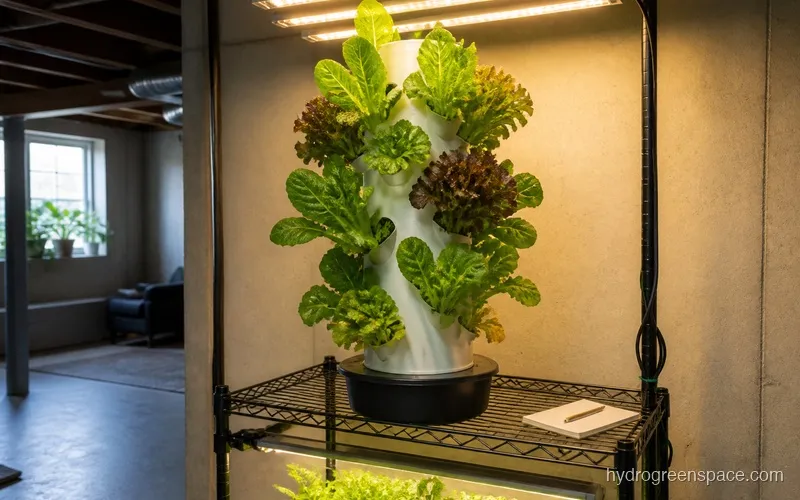
The LetPot LPH-Max is the most affordable system on this list that I’d still call functional for a real grow. It’s an app-connected vertical hydroponic garden system with automatic water pump scheduling, nutrient reminders, and a grow light included. The pod count varies by configuration, but most versions hold 12 to 20 plants.
What stands out at this price point is the automation. You get water cycle scheduling and app alerts for water and nutrient levels, which you don’t usually see on budget systems. The trade-off is that the light isn’t as powerful as what you get from Gardyn or Tower Garden HOME, so growth rates will be slower, especially with anything beyond herbs and lettuce.
For a first-time grower who wants to try vertical hydroponics without a large upfront commitment, the LetPot LPH-Max is a reasonable entry point. If you decide you love it, you’ll know exactly what to look for when upgrading.
LetPot LPH-Max
App-controlled vertical hydroponic garden system with automatic pump scheduling and nutrient alerts. Grow light included. Best for herbs and leafy greens at an accessible price.
Best for: First-time vertical growers who want automation on a budget
Check price on AmazonWhat You Can Actually Grow in a Vertical Hydroponic System
Here’s where most buyers get burned: they buy a tower expecting to grow everything, then discover that large fruiting crops and root vegetables don’t work well in vertical systems.
Grows exceptionally well:
- Lettuce (all types: butterhead, romaine, loose-leaf)
- Herbs (basil, mint, parsley, cilantro, thyme)
- Spinach, arugula, kale
- Strawberries (especially in outdoor towers)
- Microgreens (in systems designed for flat trays)
Works with some effort:
- Cherry tomatoes (need support for vines, more light, more nutrients)
- Peppers (slow growing but possible in larger towers)
- Dwarf cucumbers
Doesn’t work well:
- Full-size tomatoes, squash, or anything with a large root mass
- Root vegetables (carrots, beets, radishes): they need soil depth and don’t suit tower growing
- Large brassicas like broccoli or cauliflower
If you’re serious about strawberries specifically, the guide on the best hydroponic system for strawberries covers the nuances better than I can in a paragraph.
For a broader look at what grows well and what doesn’t, the upcoming article on what you can grow in a vertical hydroponic garden goes deep on this.
Do Vertical Systems Need Grow Lights?
Outdoors in a sunny location: no. Most towers get enough light if you have 6+ hours of direct sun per day.
Indoors: almost always yes. The exception is a south-facing window in a sunny climate where you’re growing low-light crops like mint or lettuce. Even then, growth will be slower than with supplemental lighting.
The systems that come with integrated lights (Gardyn, Tower Garden HOME, LetPot LPH-Max) take care of this for you. If you’re buying a system that doesn’t include lights, budget for a full-spectrum LED. The article on indoor hydroponic systems with grow lights has specific recommendations.
How Much Space Does a Vertical Hydroponic System Need?
This is the question that determines which system is realistic for your situation.
| System | Footprint | Height | Indoor/Outdoor |
|---|---|---|---|
| Tower Garden HOME | ~2 sq ft | 5 ft | Indoor |
| Lettuce Grow Farmstand (24-pod) | ~2.5 sq ft | 6 ft | Both |
| Gardyn Home Kit 3.0 | ~3 sq ft | 5.5 ft | Indoor |
| EXO 16-Plant Tower | ~2 sq ft | 5 ft | Both |
| LetPot LPH-Max | ~1.5 sq ft | 4.5 ft | Indoor |
The small footprint is genuinely one of the best reasons to choose a vertical system. If you’re comparing options for tight spaces, the vertical hydroponics for small spaces guide covers configuration options in more detail.
Should You Build Your Own Instead?
A DIY PVC tower costs $30 to $80 in materials and can be built in a weekend. It won’t have a pump timer, an app, or a grow light built in (you source those separately), but it will grow plants just as effectively as any commercial system, and you’ll understand every part of the system deeply.
If you want to go that route, the guides on building a vertical hydroponic tower with PVC pipes and vertical PVC hydroponic systems cover the full build process.
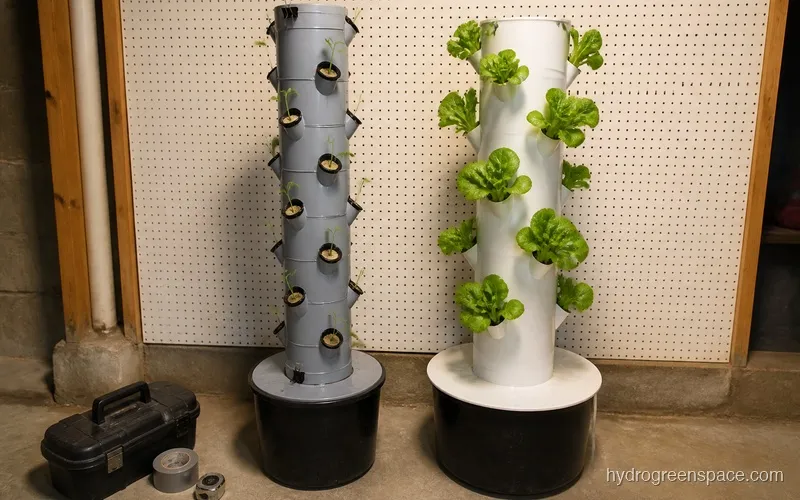
The trade-off with DIY is time and troubleshooting. Commercial systems come configured and tested, and if something breaks, there’s customer support. A PVC build is yours to figure out. For most beginners, starting with a commercial system and learning the grow cycle before tackling a build makes more sense. For experienced growers who already know hydroponic fundamentals, DIY is often the better value.
Buyer’s Guide: How to Choose the Right Tower
A few questions to answer before you commit:
Where are you setting this up? Outdoors in sun = fewer constraints. Indoors = you need a system with lights or a budget for a separate grow light.
What do you want to grow? If it’s mostly herbs and lettuce, almost any system will do. If you want strawberries or small fruiting crops, look at systems with more pod depth and stronger pumps.
How hands-on do you want to be? Gardyn is the most automated. Tower Garden and Farmstand are moderate. A DIY build or the EXO tower requires more active management.
What’s your real budget? Add up the system cost, nutrients, seeds or seedlings, and a grow light if not included. The “affordable” systems often become mid-range once you account for everything you need to actually run them.
For growers still deciding between a tower and a more traditional setup, the comparison on different types of hydroponic systems gives a useful frame for the decision.
If you’ve read this far, you’re ready to make a decision. Pick the system that fits your actual space and actual goals, not the one with the best Instagram presence. Start with herbs and leafy greens for your first grow, get your nutrient and pH management dialed in, then expand from there.
The complete overview of vertical hydroponic systems covers advanced configurations, lighting setups, and scaling up once you’ve outgrown your first tower.