
First Hydroponic Harvest: When and How to Cut
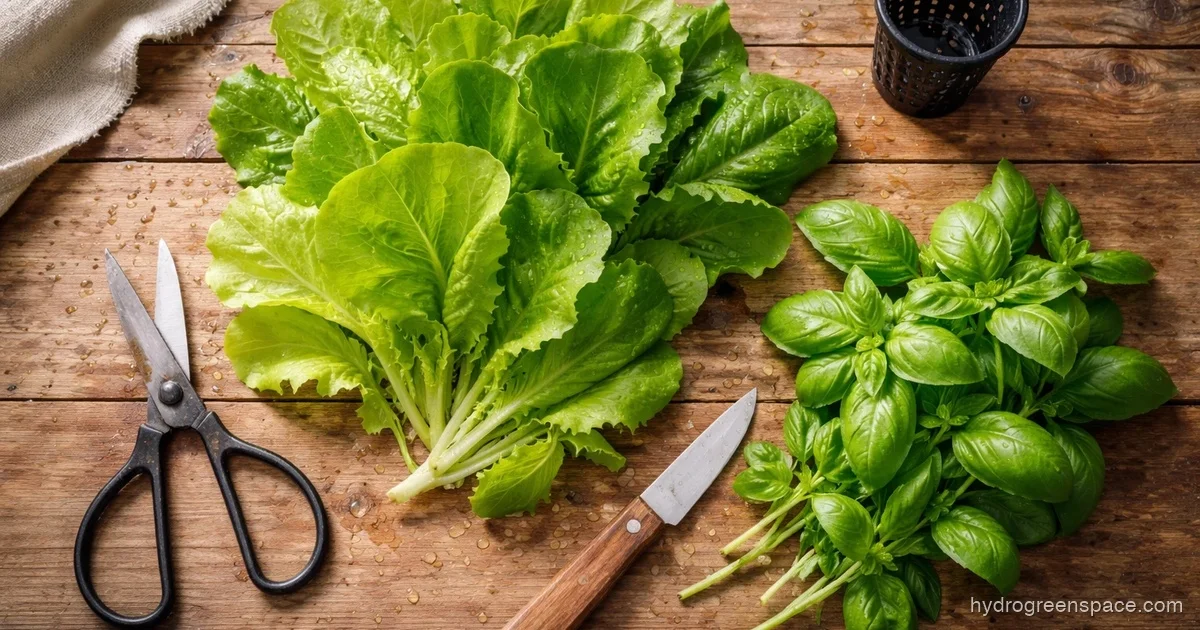
The first time you stand over your hydroponic system holding a pair of scissors, something strange happens: you’re not sure you’re ready to cut. The plants look good. Maybe too good. What if you harvest too early and ruin it? What if you wait too long and the lettuce bolts?
That uncertainty is normal, and it goes away fast once you know what you’re actually looking for. This guide covers the real visual cues for common beginner crops (lettuce, basil, and mint), plus exactly what to do with your system the minute after that first cut.
How Long Does Hydroponics Actually Take?
The honest answer is: faster than you expect, and it depends on the crop. Lettuce in a DWC or Kratky system typically reaches harvest size in 28 to 45 days from transplant. Basil runs 3 to 5 weeks. Mint is often ready even sooner. Cherry tomatoes take 60 to 80 days and require a different setup entirely, so if you’re starting out, stick with leafy greens and herbs for your first run.
If you want a timeline of what to expect week by week before you even get to harvest day, the first 30 days of growing hydroponically is worth reading alongside this guide.
What “Ready” Actually Looks Like
Lettuce
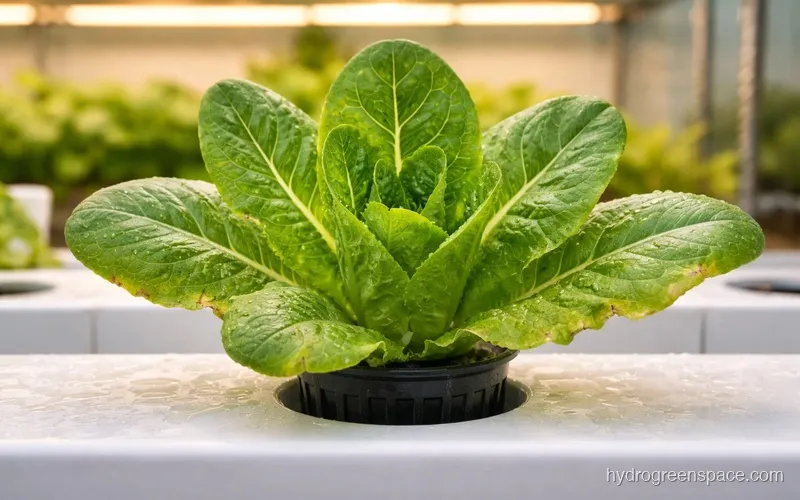
Most beginners harvest too late, not too early. By the time lettuce looks dramatic and head-like, it may already be close to bolting (sending up a flower stalk), which makes the leaves bitter. You’re not waiting for a grocery-store head of romaine. You’re harvesting at “eating quality.”
For leaf lettuce varieties (the most common for beginners), ready looks like this:
- Outer leaves are 4 to 6 inches long and fully formed
- The plant has a full, bushy rosette shape with at least 8 to 12 leaves
- Color is deep and vibrant, not pale or yellowing at the tips
- The center leaves are still tightly packed
If the plant starts sending up a tall central stalk, it’s bolting. Harvest everything immediately. Bolted leaves are edible but bitter.
Basil
Basil has a clear harvest trigger: harvest before it flowers. Once basil pushes flower buds, the leaves lose potency and the plant redirects energy to seed production. You want to catch it just before that.
Ready basil has stems with 3 to 4 pairs of leaves. The moment you see the top of the plant start to form small clusters (flower buds), pinch them off and harvest. This isn’t just about flavor; it also extends the plant’s productive life significantly.
The cut matters here. Always cut just above a leaf node (the point where two leaves meet the stem). The plant will branch from that node and give you two new stems where there was one. Cut at the tip only, and you get nothing useful back.
Mint
Mint is the most forgiving crop you’ll harvest in a hydroponic system. It grows aggressively and tolerates heavy cutting. Harvest when stems are 6 to 8 inches long with full leaf sets. Cut back to about half the stem height and the plant will regrow quickly.
Tip: Don’t harvest more than one-third of the plant at once, even with mint. Taking too much at once stresses the root system and slows regrowth. For basil and lettuce, the same rule applies.
The Cut-and-Come-Again Method
Your first harvest doesn’t have to be your last from that plant.
Cut-and-come-again is exactly what it sounds like. Instead of pulling the entire plant, you harvest the outer mature leaves and leave the center intact. The plant continues growing from the center, and you harvest again in 7 to 14 days. On a well-dialed system, you can get 3 to 5 rounds of harvest from a single lettuce plant before it bolts or quality drops.
For herbs, the same principle applies but execution differs by species. Basil responds well to node-level cuts (as described above). Mint tolerates bulk harvest and comes back strong.
This is what makes hydroponics genuinely exciting: a continuous harvest cycle rather than a single-event crop. Once you’re pulling fresh leaves every week or two, the system pays for itself in a way a one-time harvest never could.
Signs That Aren’t Harvest Cues (Don’t Be Fooled)
Two things trip up almost every first-time grower:
1. Large leaves don’t always mean ready. A plant that’s been grown under too-weak lighting will stretch and produce large, thin, pale leaves. That’s etiolation, not maturity. Healthy harvest-ready leaves are thick, firm, and richly colored.
2. Yellowing leaves at the bottom. Lower leaves naturally yellow and die as the plant ages, and this is not a harvest signal on its own. It’s just the plant directing energy upward. Remove those leaves when you see them so they don’t rot in your reservoir.
If you’re seeing yellowing across the whole plant or slow growth leading up to harvest, check your nutrient solution. Keeping your nutrient solution properly balanced prevents most of the problems that show up right before harvest.
What to Do With Your System After the First Harvest
Here’s the sequence:
If You’re Harvesting Progressively (Cut-and-Come-Again)
You don’t need to do much. Check the water level, top off with fresh nutrient solution, and let the plant keep growing. The roots are intact, the system is running. Don’t disrupt it.
If You’re Doing a Full Harvest (Pulling the Entire Plant)
- Remove the plant and net pot. Check the roots. Healthy harvest-time roots are white or cream-colored, dense, and slightly slimy from biofilm (this is normal). Brown, mushy roots are a sign of root rot that may have been affecting your yield.
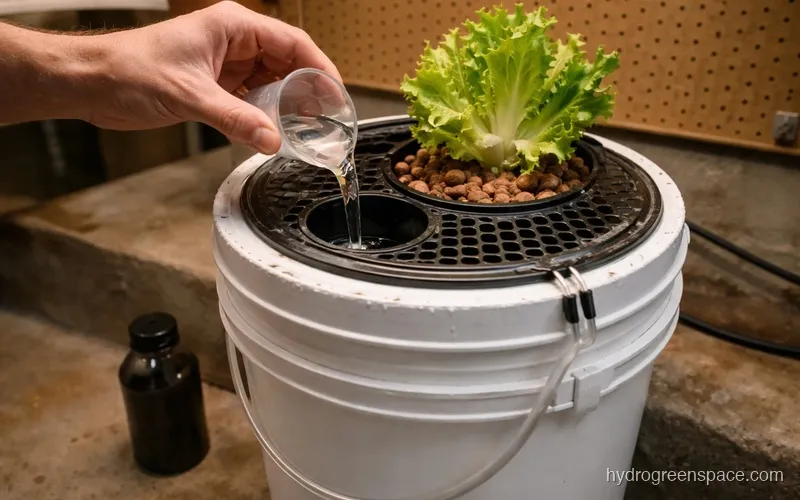
- Drain and clean the reservoir. This is your reset point. Empty the reservoir, rinse it with plain water, and scrub any algae or mineral buildup. A full drain between crops prevents salt accumulation and keeps pH swings manageable in your next cycle.
- Perform a post-harvest nutrient solution flush. Fill the reservoir with clean pH-adjusted water (no nutrients) for 24 hours before starting fresh. This clears residual mineral buildup from lines and net pots.
- Replant or restart. If you have new seedlings ready, drop them in. If not, this is a good time to check your hydroponic equipment checklist and prep for the next round.
Common mistake: Growers often top off with fresh nutrient solution without draining first, then wonder why pH is all over the place two weeks into the next cycle. Old nutrient solution accumulates salts and pH buffers break down over time. A full drain between crops is good practice, not optional maintenance.
What Happens If You Harvest Too Early?
Not much, honestly. The leaf is just smaller and less mature. It’s still edible, still nutritious. The bigger risk is that cutting too aggressively too early can stress the plant and slow regrowth, but a conservative first harvest (outer leaves only, leaving the center) is almost always fine even if you’re a week ahead of schedule.
The real mistake is harvesting too late. Bolted lettuce is genuinely bitter and unpleasant. An herb plant that’s flowered has lost most of its essential oils. When in doubt, harvest earlier rather than later and do another pass in a week.
If you want a more detailed breakdown by specific crop, the guide to which vegetables grow fastest in hydroponics includes harvest windows for everything from kale to radishes.
Your System’s Harvest Schedule Going Forward
After your first harvest, you’ll start to develop a feel for timing. Most experienced growers stagger their plantings so something is always at harvest-ready stage. Plant one tray, wait two weeks, plant another. By the time you’re harvesting tray one for the third time, tray two is ready for its first.
That rhythm is the real goal: not a single harvest, but a continuous supply. Once it clicks, you’ll stop asking “is it ready?” and start thinking about what to plant next.
For a complete look at the techniques that optimize harvest timing across different crops, harvest timing techniques for different crops goes deeper on temperature, photoperiod, and variety selection. And when you’re ready to expand beyond greens, the complete beginner’s guide to hydroponics ties all of it together.
Your scissors are ready. So are your plants.