The Complete List of Hydroponic Vegetables (By Difficulty Tier)
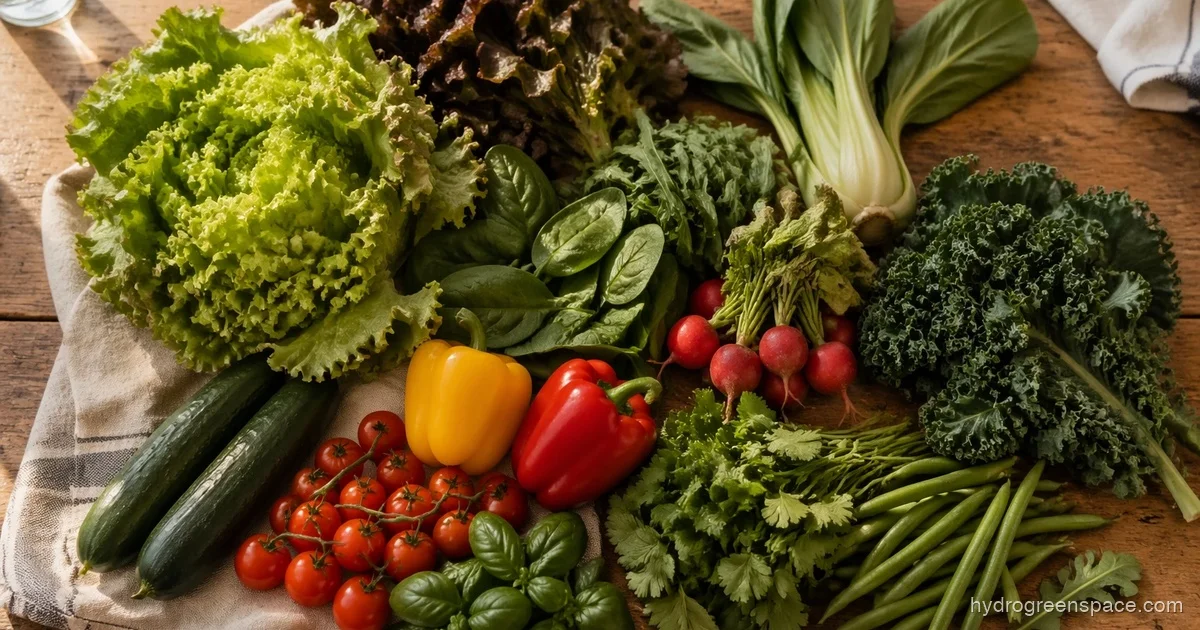
Most people come to hydroponics because they want results faster. And they can get them, but only if they grow the right vegetables in the right systems. Pick lettuce for your first grow and you’ll be harvesting in three weeks. Pick corn, and you’ll spend months building infrastructure for a vegetable that costs fifty cents at the store.
This list is organized by difficulty so you know exactly where to start, when to push further, and a handful of vegetables that genuinely aren’t worth the trouble hydroponically. For each crop, I’ve noted the best system type, realistic days to harvest, and any quirks you should know before you plant.
Beginner Vegetables: High Reward, Low Setup
These are the crops that make new hydroponic gardeners look like experts. They have shallow root systems, tolerate beginner-level mistakes with pH and nutrient concentration, and grow fast enough that you get real feedback within weeks. If you’re just getting started with hydroponics, start here.
Lettuce
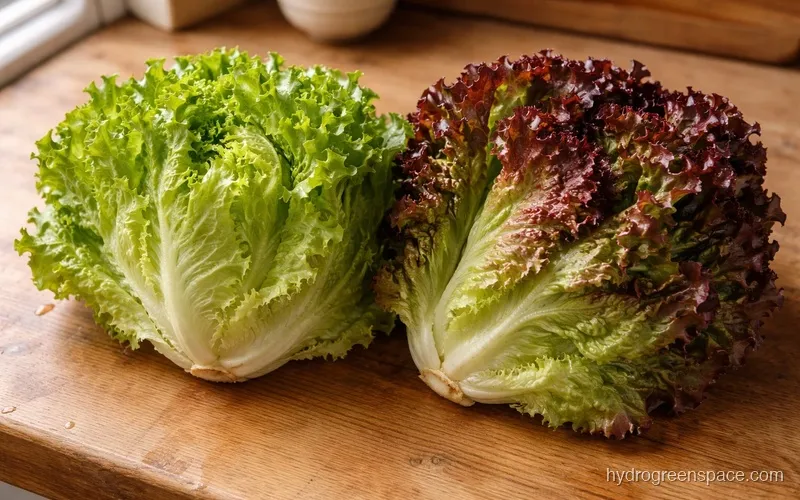
Lettuce is the poster child of hydroponic growing, and for good reason. It thrives in a nutrient film technique (NFT) channel or a deep water culture (DWC) bucket, completes a full head in 30 to 45 days, and tolerates a wide pH range (5.5 to 6.5). It’s also one of the most rewarding crops for indoor setups because you can stagger plantings every two weeks and have a continuous harvest.
The one thing beginners get wrong with lettuce is running the nutrient solution too strong. For leafy greens, an EC of 0.8 to 1.2 is plenty. Push it higher and your leaves turn bitter and tip-burn shows up at the leaf edges.
- Best system: NFT or DWC
- Days to harvest: 30 to 45
- Difficulty: Beginner
Spinach
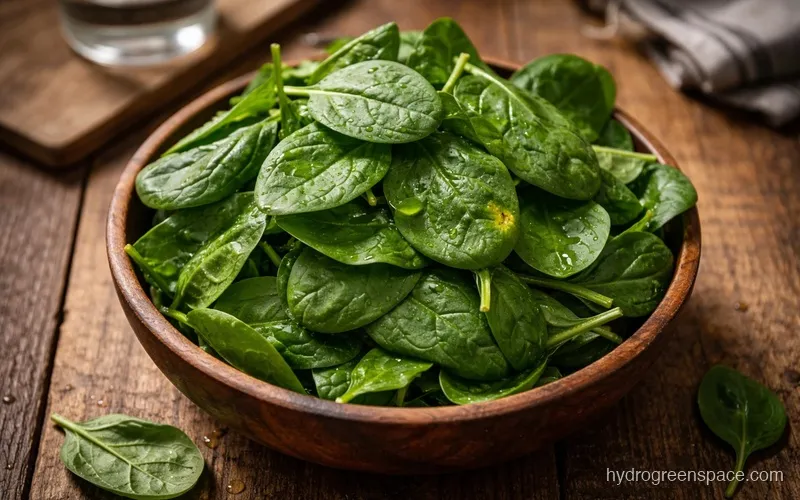
Spinach is slightly pickier than lettuce but still solidly beginner territory. It prefers cooler temperatures (60 to 70°F), so it’s a natural fit for basement grows or winter setups. A Kratky passive system works well for spinach since it doesn’t need high oxygen levels the way fruiting plants do.
Harvest baby spinach leaves at 25 days or let it mature to full size at 40 to 50 days. Either way, you get multiple cuts from the same plant. Just keep the reservoir shaded, because spinach roots are sensitive to light exposure and algae growth.
- Best system: Kratky or DWC
- Days to harvest: 25 to 50
- Difficulty: Beginner
For variety selection and harvest timing, see the full guide on growing spinach hydroponically.
Arugula and Other Leafy Greens (Bok Choy, Mizuna, Swiss Chard)
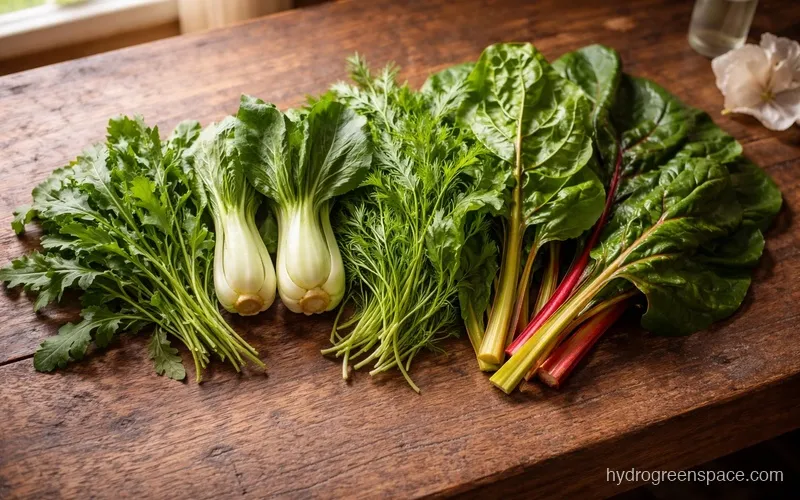
Arugula germinates in four days and is ready to harvest in 25 to 30 days. It’s almost impossible to fail at. Bok choy runs a little longer (30 to 45 days) and benefits from slightly higher EC levels (1.5 to 2.0), but it’s still very forgiving. These are ideal for someone who wants variety without complexity.
- Best system: NFT or raft (DWC)
- Days to harvest: 25 to 45 depending on variety
- Difficulty: Beginner
Radishes
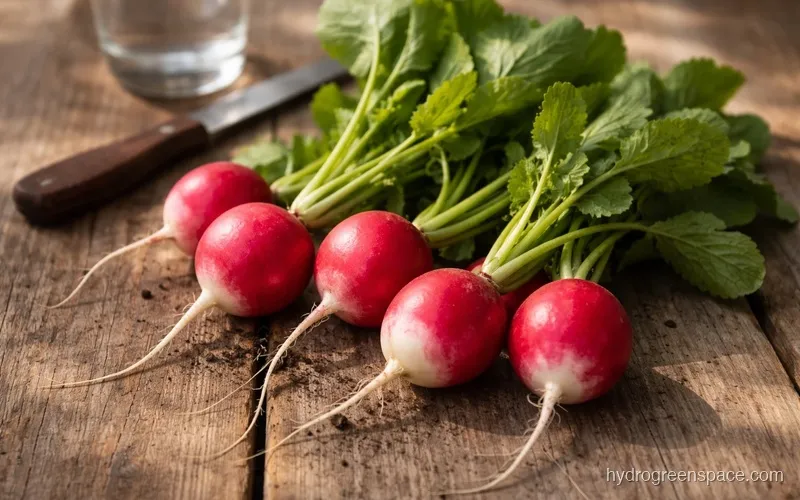
Radishes are the fastest win in the hydroponic garden. They’re ready in 20 to 30 days, which makes them excellent for filling gaps in a growing schedule or proving to a skeptic that hydroponics actually works. They do need a slightly deeper media bed than lettuce since the root itself is the edible part, so pure NFT won’t cut it here.
- Best system: Media bed (hydroton or perlite)
- Days to harvest: 20 to 30
- Difficulty: Beginner
The guide on radish in a hydroponic system covers container depth and the best varieties for fast harvests.
What I’d do: If you’re building your first system and can’t decide what to grow, plant lettuce and radishes together. The lettuce occupies vertical space in an NFT channel while the radishes go in a small media bed. You get two harvests from one setup within the same month.
Intermediate Vegetables: More Reward, More Management
Once you’ve kept lettuce alive for a few cycles, you understand what a healthy root system looks and smells like, and you’ve dialed in your nutrient solution routine. These vegetables reward that experience. They take longer to harvest, need more attention to pH and EC, and some of them require structural support as they grow.
Kale
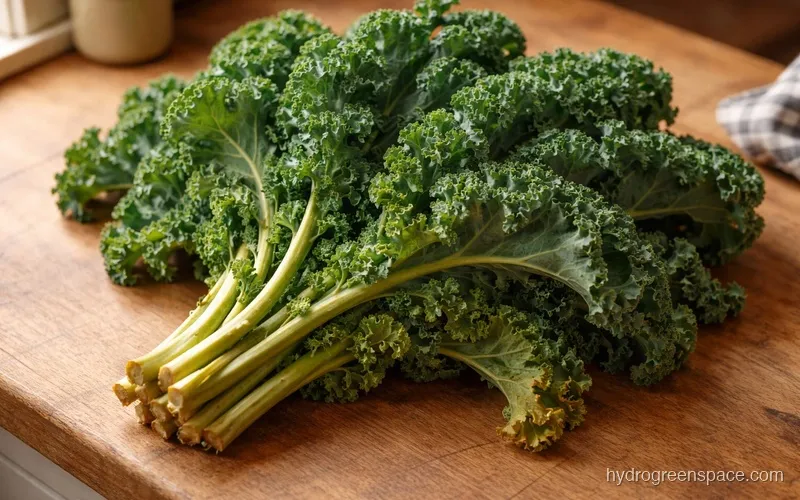
Kale is surprisingly well-suited to hydroponics. It grows fast (50 to 65 days to full harvest, though you can take baby leaves at 30 days), responds beautifully to consistent nutrition, and doesn’t need a complicated system. DWC works well. NFT channels work too, but the root mass gets large, so plan accordingly.
The challenge with kale is that it’s a heavy nitrogen feeder early in its growth and then wants a different nutrient balance as it matures. Using a standard two-part or three-part hydroponic nutrient formula resolves this easily. Pair it with compost-derived nutrients if you want to experiment with more organic approaches.
- Best system: DWC or media bed
- Days to harvest: 30 to 65
- Difficulty: Intermediate
The full guide on kale in hydroponics covers the nutrient transition schedule and how to manage root mass in NFT channels.
Peppers
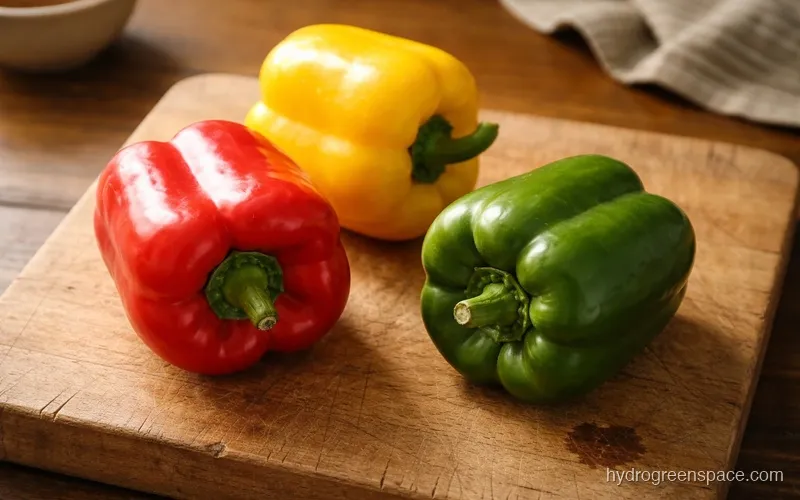
Peppers are a longer-term commitment. They take 60 to 90 days from transplant to first harvest, and they need consistent warmth (70 to 85°F), good air circulation, and a nutrient solution that shifts from higher nitrogen during vegetative growth to higher phosphorus and potassium once flowering starts. That nutrient transition is where most beginners go wrong.
The payoff is substantial. A single pepper plant in a 5-gallon DWC bucket can produce for months. Dwarf or compact pepper varieties work best indoors since they don’t outgrow your light footprint as quickly. Full-size bell peppers in a small tent are a fight you don’t need to have.
- Best system: DWC or Dutch bucket
- Days to harvest: 60 to 90 (from transplant)
- Difficulty: Intermediate
The full guide on hydroponic peppers covers variety selection and the vegetative-to-flowering nutrient transition in detail.
Cucumbers
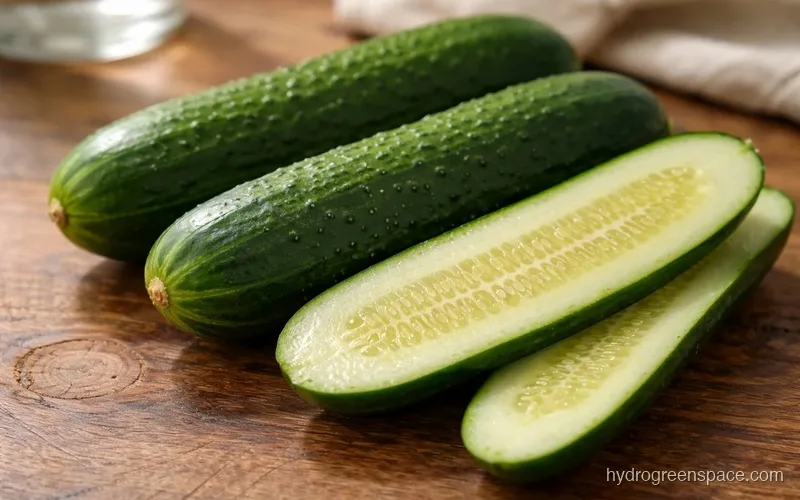
Cucumbers grow aggressively. A cucumber plant can put on six inches of vine growth per day in peak conditions, so if you’re not prepared to trellis and prune, the plant will take over your grow space fast. That said, few vegetables feel as satisfying to harvest hydroponically. They’re ready 50 to 70 days from seed, and a well-managed plant produces consistently for weeks.
Bush or dwarf cucumber varieties like Spacemaster or Patio Snacker are much more manageable than vining types indoors. Maintain EC at 1.7 to 2.5 and pH at 5.5 to 6.0. They’re also thirsty plants, so your reservoir needs to be adequately sized or you’ll be topping off daily.
- Best system: DWC or Dutch bucket
- Days to harvest: 50 to 70
- Difficulty: Intermediate
The guide on growing cucumbers hydroponically covers trellis setup, pruning schedules, and reservoir sizing.
Herbs (Basil, Cilantro, Mint)
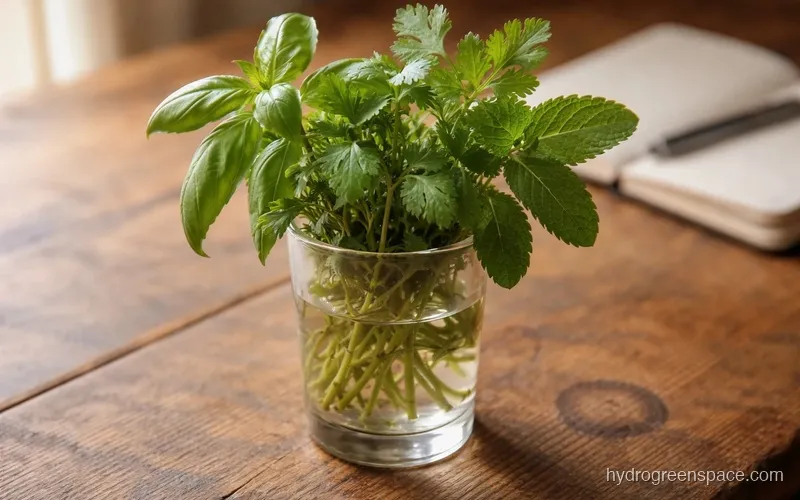
Herbs straddle beginner and intermediate depending on the variety. Basil is intermediate because it’s pH-sensitive (keep it at 5.5 to 6.5 tightly) and prone to bolting if temperatures climb above 80°F. Once it bolts, the leaves turn bitter fast. Mint, on the other hand, is nearly unkillable and is a good option for complete beginners alongside lettuce.
Cilantro is the tricky one. It bolts quickly in warm, bright conditions, so it’s better suited to cooler grow rooms or fall/winter indoor setups. Growing herbs hydroponically indoors alongside vegetables is common, but pay attention to whether they share compatible pH and EC requirements before combining them in one reservoir.
- Best system: NFT or Kratky for most herbs
- Days to harvest: 25 to 45 (cut-and-come-again)
- Difficulty: Beginner to Intermediate depending on variety
Advanced Vegetables: Worth It, But Plan Carefully
These crops can absolutely be grown hydroponically, and many commercial operations do exactly that. But they require more infrastructure, more precise nutrient management, or both. Don’t let that discourage you. The difference between intermediate and advanced hydroponic growing is mostly knowledge and setup, not raw difficulty.
Tomatoes
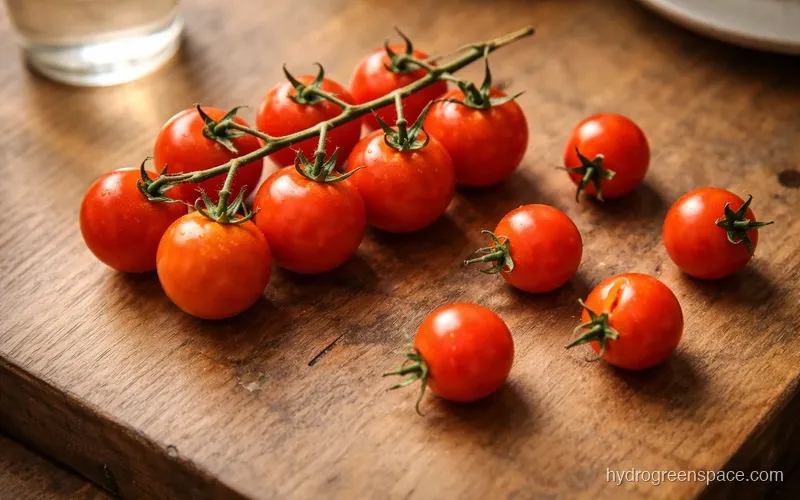
Tomatoes are the holy grail for home hydroponic growers, and they deliver. A single indeterminate tomato plant in a 5-gallon DWC bucket can produce 20 to 30 pounds of fruit over its productive life. The system works. But tomatoes are not forgiving.
They need high light (at least 8 hours of strong grow light per day), structural support (trellis or cage), consistent EC (2.0 to 3.5 depending on growth stage), and aggressive pruning of suckers to keep the plant focused on fruiting rather than growing into a tree. Calcium and magnesium deficiencies are common, which show up as blossom end rot and yellowing between leaf veins. If you’re prone to common plant care mistakes, tomatoes will find every one of them.
Cherry tomato varieties like Sungold or Sweet 100 are the better starting point than beefsteaks because they’re more tolerant of minor nutrient fluctuations and fruit earlier (60 to 70 days from transplant).
- Best system: DWC, Dutch bucket, or NFT (with high flow)
- Days to harvest: 60 to 80 (from transplant, cherry varieties)
- Difficulty: Advanced
The hydroponic tomatoes guide covers pruning, calcium supplementation, and how to size your system for a full season grow.
Warning: Tomatoes and leafy greens should not share a reservoir. Tomatoes want an EC of 2.0 to 3.5, while lettuce maxes out around 1.2. Running them in the same nutrient solution will either burn your greens or starve your tomatoes. Keep them in separate systems.
Beans
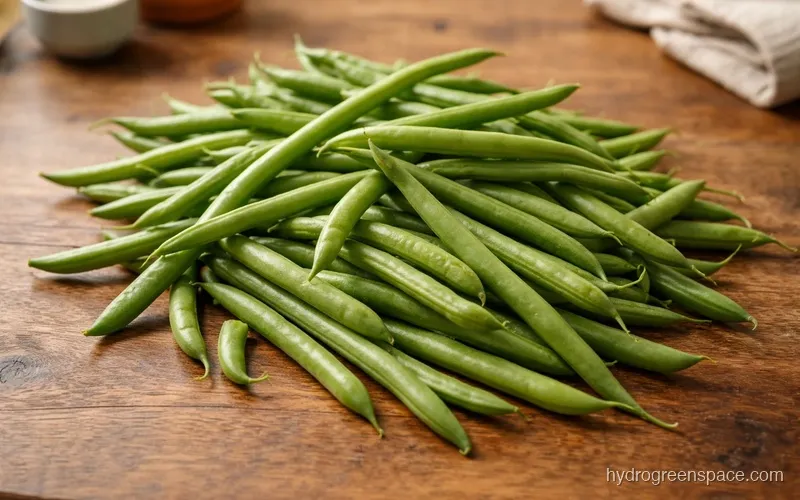
Bush beans do surprisingly well in a media bed system. They’re nitrogen-fixing in soil, but in hydroponics that mechanism doesn’t apply, so they still need a full nutrient solution. They produce in about 50 to 60 days, and a media bed with good drainage handles their root structure without complaint. The limitation is yield per square foot. Beans take up a lot of horizontal space for a moderate harvest.
- Best system: Media bed
- Days to harvest: 50 to 60
- Difficulty: Intermediate to Advanced
What You Can’t Grow Hydroponically (And Why)
Not every vegetable is worth growing hydroponically. Some are impractical. Some require physical constraints that hydroponic systems simply can’t provide.
Corn
Corn grows 6 to 10 feet tall, requires cross-pollination from multiple plants, and the caloric and economic return per square foot is worse than almost any other vegetable. You’d need a greenhouse-scale setup and dozens of plants for a meaningful harvest. Grow it in a garden bed outdoors.
Potatoes and Sweet Potatoes
Root crops like potatoes need bulk growing medium to develop properly. They’re not impossible to grow hydroponically (some growers experiment with deep media beds), but the practical yield and effort ratio makes it a poor use of a hydroponic system. The comparison between hydroponics and soil growing matters most here: potatoes are one of the few crops where soil genuinely wins.
Large Winter Squash and Pumpkins
Butternut squash, acorn squash, and pumpkins are vine crops that take 80 to 110 days, require enormous nutrient loads, and the fruits themselves can weigh several pounds each, creating physical support challenges that most indoor setups can’t handle. Small bush squash varieties are borderline feasible, but they’re still a strain on most home systems.
Asparagus
Asparagus takes two to three years before it produces a meaningful harvest, even in soil. Hydroponically, the root system is deep, complex, and perennial in a way that doesn’t map well to most hydroponic configurations. It’s not that it can’t be done; it’s that there are dozens of easier vegetables that will reward you every month instead. For a deeper look at the root structure and space constraints involved, see vegetables that don’t work in hydroponics.
Tip: A good rule of thumb: if a vegetable needs a lot of horizontal space underground, or takes longer than one season to produce, it’s usually better suited to an outdoor garden bed than a hydroponic system.
Growing Multiple Vegetables Together: pH and EC Compatibility
If you’re running a single reservoir and want to grow multiple vegetables in the same system, compatibility matters. Vegetables with very different EC requirements will always compromise one another.
Leafy greens (lettuce, spinach, bok choy, arugula) are the most compatible group. They all want pH between 5.5 and 6.5 and EC between 0.8 and 1.6. You can run a mixed lettuce and herb raft easily.
Fruiting crops (tomatoes, peppers, cucumbers) can share a reservoir because they all tolerate higher EC levels (1.8 to 3.5) and similar pH ranges (5.8 to 6.2). Keep them separate from leafy greens.
Radishes and root-adjacent crops in media beds are generally best kept in their own system since the growing medium depth and management differs from NFT channels or DWC buckets. If you’re still deciding on a setup, reviewing types of hydroponic systems will help you match each crop category to the right design. If you’re planning a full indoor setup and want specific system guidance, the best indoor hydroponic systems for vegetables have options for both single-crop and multi-crop configurations.
Which Vegetables Grow the Fastest Hydroponically?
If you want a quick win (or you’re trying to convince a skeptic that hydroponics works), go for these:
| Vegetable | Days to First Harvest | Best System |
|---|---|---|
| Radishes | 20 to 30 | Media bed |
| Arugula | 25 to 30 | NFT or Kratky |
| Baby spinach | 25 to 35 | Kratky or DWC |
| Lettuce | 30 to 45 | NFT or DWC |
| Bok choy | 30 to 45 | NFT or DWC |
| Basil | 25 to 35 | NFT or Kratky |
| Kale (baby leaf) | 30 days | DWC |
These are the crops that make a new grower feel like they actually know what they’re doing.
If you want to go deeper on any of the crops above, the hydroponic vegetables hub covers each one with full growing guides. And if you’re still deciding what system to build, understanding aquaponics versus hydroponics can help clarify whether a fish-integrated system might suit your goals better.
Start with one tray of lettuce. Harvest it. Plant it again. That cycle builds the instincts that make everything else on this list feel manageable.