
How to Store Hydroponic Lettuce (Last Up to 14 Days)
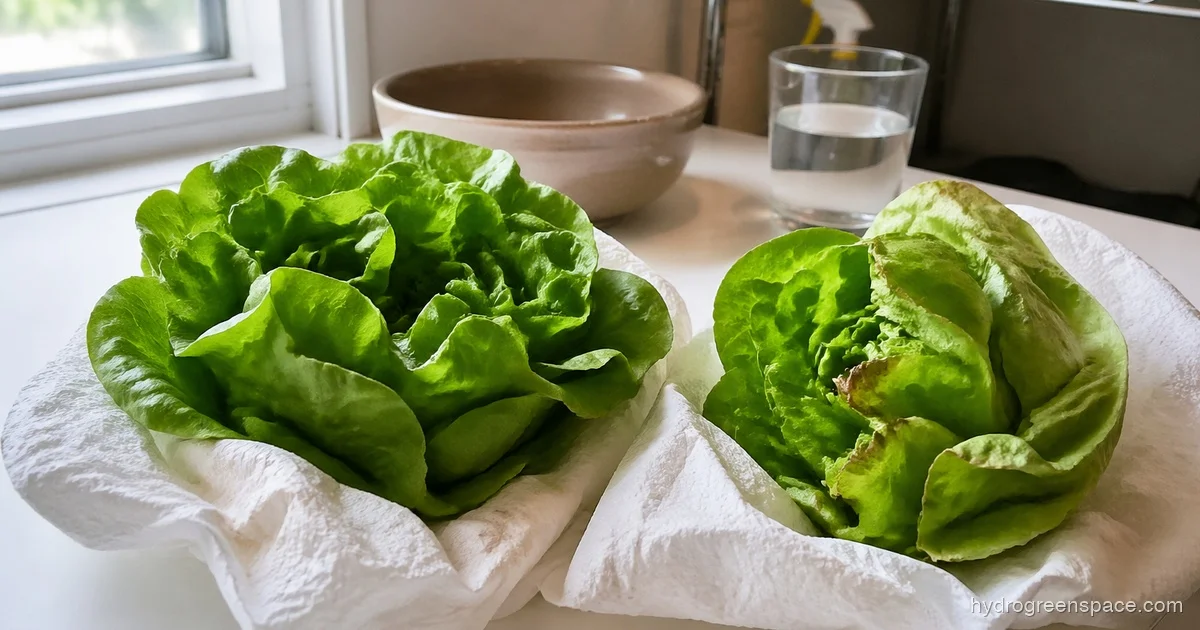
Hydroponic lettuce wilts faster than most growers expect. You spend weeks dialing in your system, harvest a beautiful head, and two days later it’s limp and sad in the back of your crisper drawer. The problem usually isn’t your fridge. It’s that you’re storing it the same way you’d store supermarket lettuce, which was already a week old before it hit the shelf.
Fresh-harvested lettuce needs a slightly different approach, and which approach depends on how you harvested it.
The Three Storage Tracks (And Why They’re Different)
Before you refrigerate anything, figure out which harvest type you’re dealing with. Treating all three the same is where most growers go wrong.
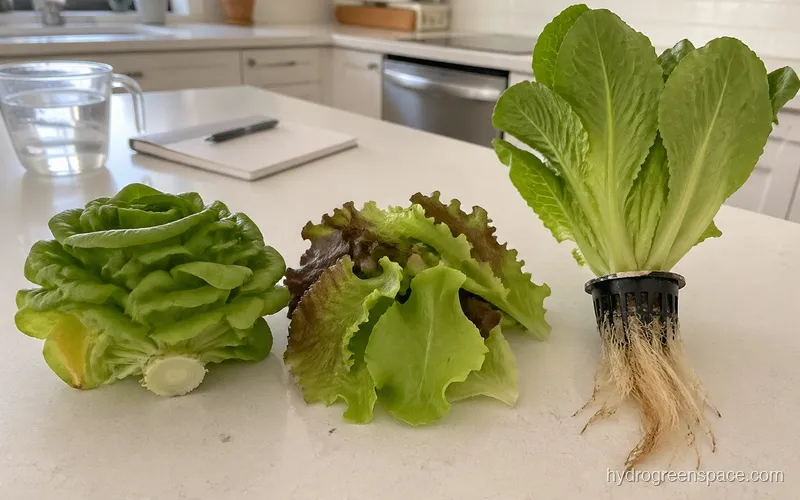
Cut heads: you harvested the full plant, roots removed, heads trimmed clean. This is the most common approach for dense varieties.
Cut-and-come-again leaves: you took outer leaves and left the plant growing. These individual leaves have more cut surface area exposed, which means faster moisture loss.
Living lettuce (roots intact): you pulled the whole plant and kept the root ball attached, or you’re storing a spare seedling still in a net pot.
Each one has a different shelf life and needs different handling. Getting this right is the difference between lettuce that lasts five days and lettuce that lasts twelve.
Storing Cut Lettuce Heads
This is the most straightforward track. A freshly cut head from your hydroponic system, stored correctly, will last 7 to 12 days in the fridge. That’s roughly double what conventional supermarket lettuce gives you, because your lettuce went from plant to fridge within hours instead of weeks.
Here’s what actually works:
Don’t wash before storing. Water sitting on leaves, especially down in the base where leaves overlap, will accelerate rot. Wash right before you eat. The exception: if you see visible debris or growing medium residue on the leaves, give them a quick rinse and dry thoroughly with a salad spinner before storing.
Wrap loosely in a dry paper towel. The paper towel absorbs excess moisture without drying the leaves out. Don’t wrap tightly; you want airflow, not a sealed bundle. Then place the wrapped head inside a loosely closed plastic bag or a container with a loose-fitting lid.
Use the crisper drawer. Most fridges have a high-humidity crisper setting, and this is exactly where fresh-cut lettuce wants to be. Aim for 32°F to 40°F (0°C to 4°C). If your crisper doesn’t have a humidity control, just keep the lettuce in the coldest part of the fridge rather than in the door.
Warning: Keep lettuce away from ethylene-producing fruits (apples, pears, bananas, avocados). Ethylene gas is colorless and odorless, but it accelerates leaf senescence and will turn your lettuce brown and limp within a day or two. Dedicated produce drawers help with this, but if your fridge is small and everything shares a shelf, keep fruit on one side and greens on the other.
Storing Loose Cut-and-Come-Again Leaves
Loose leaves are more delicate than whole heads because each leaf has a cut edge exposed to air. The moisture-loss rate is higher, and they’ll start to wilt faster.
Target shelf life here is 4 to 7 days, depending on the variety. Romaine’s firmer leaves hold up better in the fridge and can push toward the 7-day end. Butter lettuce’s delicate leaves are closer to the 4-day mark.
The process is similar to cut heads, but with one extra step: spin them dry after rinsing (if you rinse at all), then layer them between paper towels in a shallow container. The towels wick moisture away from the cut edges throughout storage.
Tip: A reusable salad container with a built-in colander tray is worth having if you’re harvesting cut-and-come-again regularly. The elevated tray keeps leaves above any pooled moisture at the bottom, which is the number-one thing that makes loose leaves turn slimy fast.
Living Lettuce Storage (Roots Intact)
If you leave the roots attached when you harvest, the plant is still technically alive, and it will stay fresh significantly longer than a cut head.
Living lettuce stored roots-intact can last 10 to 14 days, sometimes longer if you refresh the water.
There are two ways to do this:
Damp root method: Gently rinse the roots to remove any growing medium or nutrient residue. Wrap the roots loosely in a damp paper towel, place the whole plant in an upright container (a tall deli container or a mason jar works well), and keep it in the fridge. Every 2 to 3 days, re-dampen the paper towel if it’s dried out.
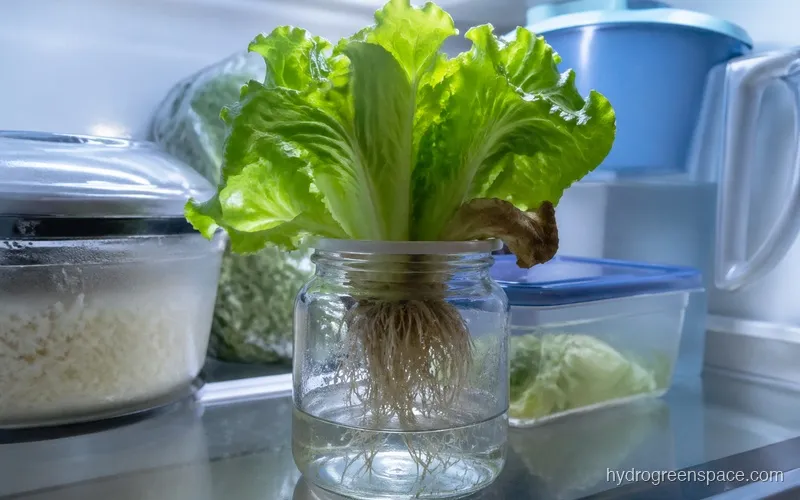
Water glass method: Trim the roots to a manageable length if they’re very long, place the base of the plant in a glass or jar with about an inch of cold water, and refrigerate uncovered or loosely covered. Change the water every 2 days. This works especially well for butterhead varieties that still hold their shape as a whole plant.
What I’d do: Keep a spare net pot plant from my system as a “living lettuce” in the fridge using the water glass method. It’s like having a fresh plant on standby. I can pick leaves off it as I need them, and the rest stays fresher than anything I’ve ever cut and stored.
Handling a Big Harvest Without Waste
If you’re running a multi-plant system and everything matures at once, you’ll hit a point where you have more lettuce than your household can eat in a week. A few ways to handle the surplus:
Stagger your processing. Don’t harvest everything the same day. Leave mature plants in your system for up to a week past peak harvest size; they won’t get much bigger but they stay fresh. Pull plants as needed rather than all at once. For timing help, knowing exactly when your lettuce is ready to harvest keeps you from pulling plants before you’re ready to use them.
Share or give away the excess. Hydroponic lettuce from your own system is a genuinely impressive thing to give to neighbors or coworkers. You can harvest it roots-intact for them so they get maximum shelf life.
Blanch and freeze for cooking only. Lettuce doesn’t freeze well for fresh eating; it turns mushy after thawing. But if you grow a lot and hate waste, you can blanch leaves briefly (30–60 seconds in boiling water, then an ice bath), dry them well, and freeze them flat. Use them only in cooked applications: soups, stir-fries, braised dishes. Don’t expect anything salad-adjacent from frozen lettuce.
A Note on Washing Timing
The nutrient solution your lettuce grew in is food-grade and not harmful, and the leaves themselves are typically cleaner than field-grown produce. But wet leaves stored in a cold fridge are a recipe for accelerated bacterial growth and browning. If you want to go deeper on this, whether to wash your lettuce before storing it is covered in more detail in a dedicated post.
Getting the Most Out of What You Grow
Good storage habits are the last step of a good harvest, not an afterthought. If you’ve been tossing wilted lettuce after three days, switching to paper-towel wrapping and a proper crisper setup will make an immediate difference.
If you want to extend shelf life even further, the living lettuce method is the move. It’s almost unfair how much longer roots-intact lettuce lasts compared to a cut head, and once you’ve had a living plant parked in your fridge for two weeks, still looking crisp, you won’t go back.
Next up: how long hydroponic lettuce typically stays fresh depending on variety, storage method, and harvest timing, with benchmarks for each. For the complete overview of everything involved in growing and harvesting your crop, the hydroponic lettuce guide covers every stage.