Do You Need to Wash Hydroponic Lettuce? (Yes)
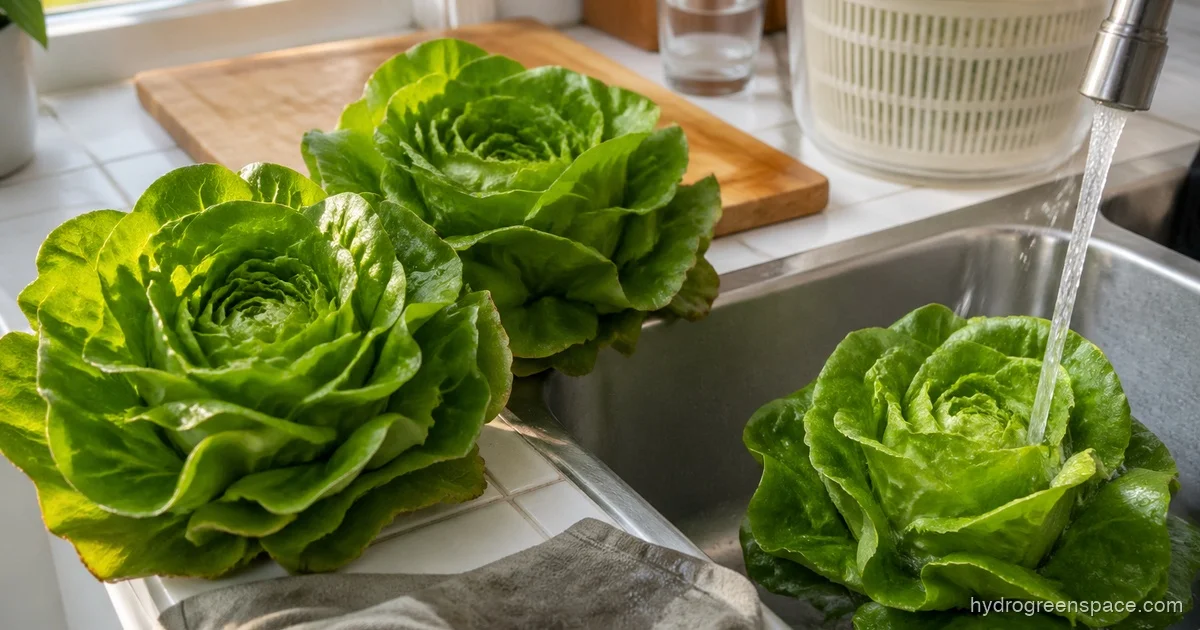
Yes, you should rinse your hydroponic lettuce before eating it. Even if you grew it yourself in a controlled system with no pesticides, soil, or outdoor exposure. That might feel counterintuitive when you can see exactly what went into the water, but the reasons are worth understanding rather than dismissing.
The answer does vary a bit depending on where your lettuce came from, so let’s break it down properly.
Home-Grown Hydroponic Lettuce: Cleaner, But Not Sterile
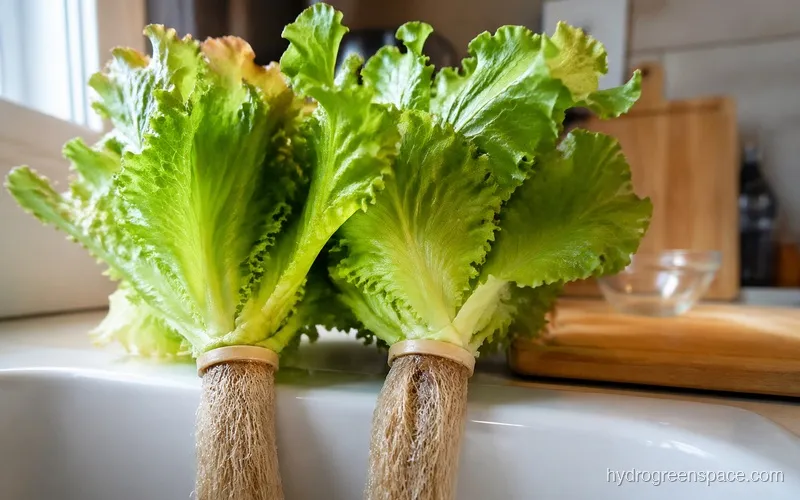
Growing lettuce in your own DWC bucket or NFT channel gives you far more control than a commercial farm. No pesticides, no unknown inputs, no outdoor soil exposure. For a lot of home growers, this creates a false sense that the lettuce is already clean enough to eat straight off the root.
Here’s the issue: your hands have been in that reservoir. You’ve handled the net pots. You’ve topped off the water, adjusted pH, and probably bumped the root zone more than once. Every one of those interactions is a vector for introducing bacteria, even when you’re being careful. Add in the fact that nutrient solutions are warm, slightly organic-smelling liquids that can support microbial growth, and “sterile” stops being the right word for your system.
The water source matters too. If you’re using tap water, you’re starting with a residual chlorine level that drops off as the reservoir ages. Well water can carry its own microbial load. Even filtered or reverse-osmosis water gets handled with equipment that isn’t always sanitized between uses.
Research from Oregon State University and others has found Salmonella and Listeria monocytogenes in hydroponic growing environments, including in salad systems. That’s commercial scale, not your home setup, but the principle holds: a controlled growing environment reduces risk, it doesn’t eliminate it.
Store-Bought Hydroponic Lettuce: What That Label Actually Means
If you’ve picked up a clamshell of living butter lettuce or a bag of hydroponic spring mix, you’ve probably noticed the “wash before use” label. Then you’ve probably also noticed it says “pesticide-free” and grown in a “controlled environment.” So what’s the deal?
Commercial hydroponic operations run at a scale your home system can’t match. Workers, harvesting equipment, packaging lines, and cold chain logistics all introduce touchpoints that don’t exist in your grow tent. The “controlled environment” claim is accurate in terms of weather, soil, and pest management. It doesn’t mean zero human handling.
Pre-washed hydroponic lettuce does exist. Some brands run a wash step before packaging (usually a cold-water rinse), and a few use food-safe sanitizing solutions. But “pre-washed” doesn’t mean skip the rinse at home. It means the biggest load of surface debris was already removed, so your home rinse is a final step, not the only one.
The hydroponic lettuce vs. soil-grown lettuce bacteria comparison is interesting here. Field-grown lettuce carries soil splashback risk, higher potential pesticide residue, and more exposure to wildlife and irrigation runoff. Hydroponic lettuce consistently tests lower for these specific risks. But hydroponic food safety is not a binary safe/unsafe question, and no serious food scientist would tell you that “grown without soil” means “skip the rinse.”
How to Wash Hydroponic Lettuce Properly
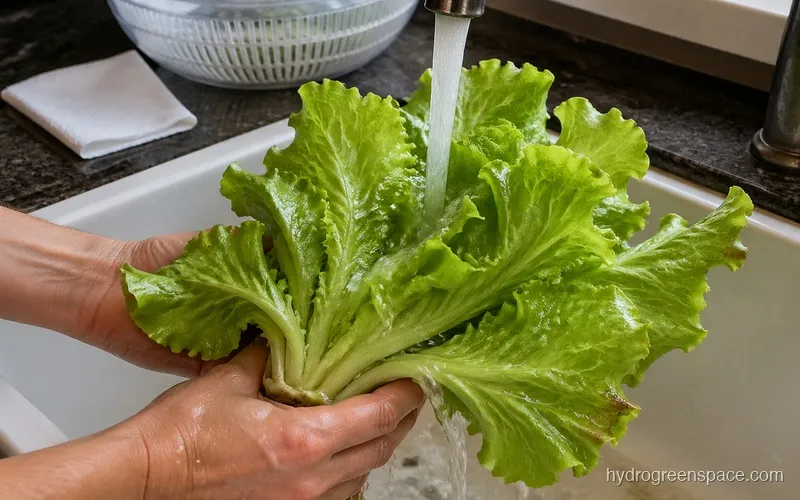
The good news is that washing hydroponic lettuce is faster and simpler than washing soil-grown heads because there’s no grit to deal with. Here’s what actually works:
For whole heads or large leaves:
- Separate the leaves from the core
- Hold each leaf under cold running water for 10–15 seconds, rubbing gently with your fingers
- Transfer to a salad spinner
- Spin dry, then pat with a clean towel if using immediately
For smaller loose-leaf varieties:
- Fill a bowl with cold water
- Submerge the leaves and swish gently for 20–30 seconds
- Lift the leaves out (don’t pour, or you’d dump any debris back over them)
- Repeat once if the water looks cloudy
- Spin or pat dry
A few things that don’t add much: soap, produce wash sprays, or soaking for extended periods. Plain cold water removes the vast majority of surface contaminants on leafy greens. The FDA and food safety researchers generally agree on this point. Save the produce wash for waxy fruits where surface penetration matters more.
Does Washing Shorten Shelf Life?
This is the most common concern home growers have, and it’s a fair one. Wet lettuce stored in the fridge does deteriorate faster than dry lettuce. The key word is “stored.”
If you wash your lettuce right before eating, there’s no shelf-life hit. The problem comes when people wash the whole harvest, improperly dry it, then store it wet. Moisture trapped against the leaves creates the conditions for sliminess and rot.
The fix is simple: wash just before use, or if you want to prep ahead, spin and dry thoroughly before storing. A salad spinner gets you most of the way there. Laying the leaves on a clean towel for a few minutes before refrigerating gets you the rest.
For a full breakdown of how to maximize shelf life after harvest, how to store hydroponic lettuce covers the containers, temperature, and humidity details that make the biggest difference. And if you’re wondering how long properly stored lettuce realistically lasts, how long does hydroponic lettuce last gives you the honest numbers by variety and storage method.
A Note on Cross-Contamination
Washing the lettuce is only part of the food safety picture. Cross-contamination in your kitchen can undo a clean harvest fast. A few habits that matter:
- Use a separate cutting board for raw produce (not the one that just had raw chicken on it)
- Wash your hands before handling harvested leaves, not just after
- If you’re harvesting with scissors or a knife, rinse the blade before using it on the greens (you’d be surprised how much reservoir residue ends up on cutting tools)
- Store harvested lettuce away from raw meat in the fridge
These aren’t paranoid steps. They’re the same practices that apply to any fresh produce and they’re especially worth building into your routine if you’re growing food regularly at home. For anyone dealing with pests in their system that might affect plant health and food safety, pest control in hydroponics covers what to watch for.
The Bottom Line on Hydroponic Lettuce and Food Safety
Hydroponic lettuce is genuinely lower-risk than most field-grown options. No pesticide residue, no soil splashback, no outdoor exposure to birds and wildlife. If you care about whether hydroponic lettuce is healthy, growing it yourself is one of the best choices you can make.
If you’re harvesting your own plants and want to time it right so you’re washing peak-quality leaves, when to harvest hydroponic lettuce will tell you exactly what to look for. After your first few well-timed harvests, the rinse step will feel as automatic as spinning the greens dry. For everything that goes into a complete lettuce harvest from growing through storage, the hydroponic lettuce guide has the full picture.