
When to Harvest Hydroponic Lettuce (Without Bolting)
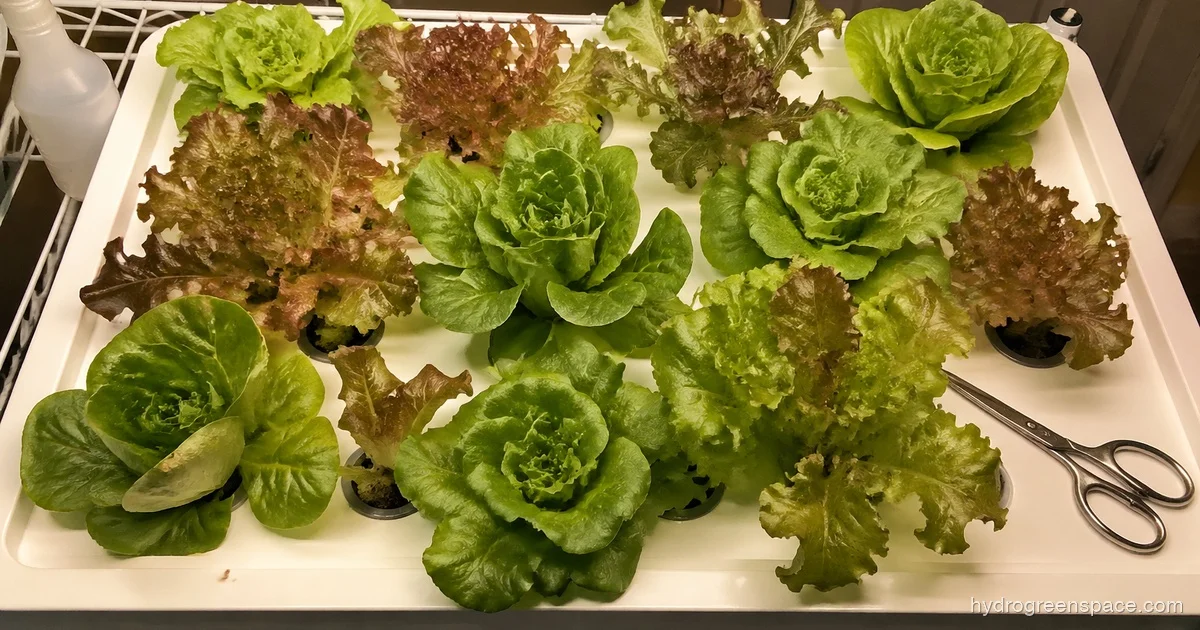
Lettuce moves fast in a hydroponic system. Faster than you expect the first time. And because the window between peak flavor and a bolting, bitter plant is narrower than it looks, knowing the exact signals to watch for makes a real difference in what ends up in your salad bowl.
This guide covers two decisions: whether your lettuce is ready, and how to cut it so it keeps producing. Both matter equally.
How Long Does Hydroponic Lettuce Actually Take?
The honest answer is: it depends on the variety. Hydroponic lettuce days to harvest vary more than most beginners realize, and using the wrong timeline is why people either rush a crop or let it bolt.
Here are realistic ranges you can actually plan around:
| Variety | Days to Harvest (Hydro) |
|---|---|
| Looseleaf (Red Leaf, Green Leaf, Oakleaf) | 28–35 days |
| Butterhead (Boston, Bibb) | 35–45 days |
| Romaine | 50–60 days |
| Crisphead / Iceberg | 70–85 days |
These ranges assume healthy nutrient levels and good light. Your hydroponic system type also plays a role. Deep water culture (DWC) and aeroponics push toward the faster end of each range because roots get maximum oxygen and consistent nutrient access. Kratky sits in the middle. NFT can go either way depending on how well you’ve dialed in the flow rate and reservoir temperature.
Water temperature is one of the less-discussed factors that affects timing. Lettuce grown in a reservoir sitting above 72°F (22°C) will reach harvest faster, but it’s also much more likely to bolt prematurely. Cool, stable water in the 65–68°F range produces the best leaf texture and buys you more time before the flavor turns.
If you’re newer to this and wondering how your system choice might affect your timeline, the guide on different hydroponic system types breaks down how each one handles root zone conditions.
How to Tell If Your Lettuce Is Actually Ready
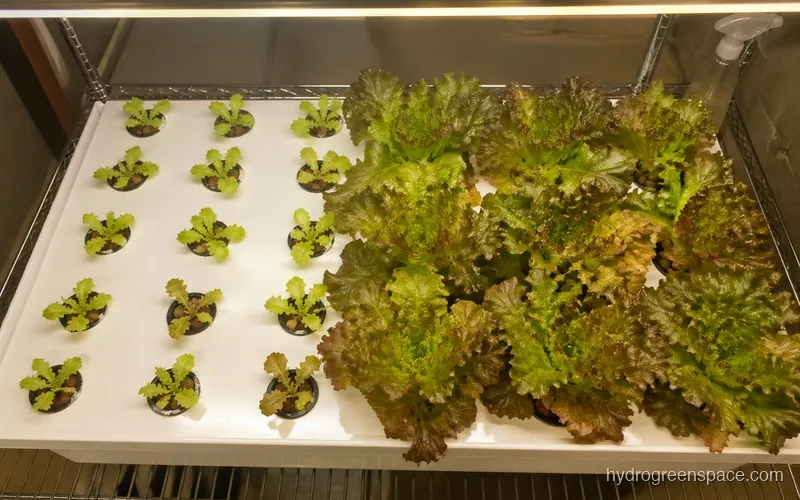
Don’t just count days and assume. Check the plant directly. Hydroponic lettuce often matures faster than the seed packet says because the system removes the soil variables that slow growth.
For looseleaf varieties, the main cue is outer leaf size. Once your outer leaves are reaching 4–6 inches and showing good color saturation (deep green or rich red, depending on variety), you’re in the window. The leaves should feel substantial, not floppy. A little leaf curl at the outer edges is normal and actually indicates the plant is healthy and full of water.
For butterhead and romaine, you’re looking for head formation. With butterhead, gently press the center of the plant. You’re feeling for a soft but defined rosette of inner leaves that are starting to cup inward and blanch slightly toward the center. That pale, creamy interior means it’s ready. With romaine, the outer leaves should be firm, upright, and 6–8 inches tall before you harvest.
Crisphead varieties are a different game entirely. You need a genuinely firm head before cutting. Squeeze it lightly, it should resist like a slightly-soft baseball. If it gives easily, give it more time.
Tip: Harvest in the morning if possible. Lettuce has the highest water content early in the day before the lights have been on for hours. Morning-harvested leaves stay crisp longer in the fridge.
Warning Signs: Your Lettuce Is About to Bolt
Bolting is the process where a lettuce plant shifts from leaf production to seed production. Once it starts, the flavor deteriorates fast, leaves turn bitter, the stem elongates, and the plant is essentially done. Knowing the signs early lets you harvest the whole plant instead of losing it.
Watch for these:
- A central stem that’s stretching upward. Normal lettuce grows outward and stays low. If the center is suddenly pushing up, that’s a flower stalk beginning to form.
- Leaves becoming more pointed and narrow. Rosette lettuce leaves are round and wide. As bolting starts, new growth gets elongated and arrow-shaped.
- Bitter taste on test leaves. Before the visual signs fully appear, you’ll notice it in flavor. If you taste a leaf and it’s noticeably more bitter than a week ago, harvest immediately.
- Rapid growth with thin, leggy leaves. A plant that suddenly surges in height but produces thin, pale leaves is redirecting energy toward flowering.
Warm reservoir temperatures and long photoperiods (more than 16 hours of light per day) are the main triggers. If your grow room gets warm in summer, monitor your plants more frequently because bolting can move from “first signs” to “too late” in 3–5 days.
If you catch a plant at early bolting, cut the whole thing. The outer leaves are usually still good even if the inner growth is starting to turn. You won’t get another round from a bolted plant.
Cut-and-Come-Again vs. Full Harvest
This is where the real decision is. The cut-and-come-again method is specifically for looseleaf varieties. Butterhead and romaine are generally harvested all at once, though butterhead can give you a second partial harvest if conditions are right.
Cut-and-Come-Again for Looseleaf
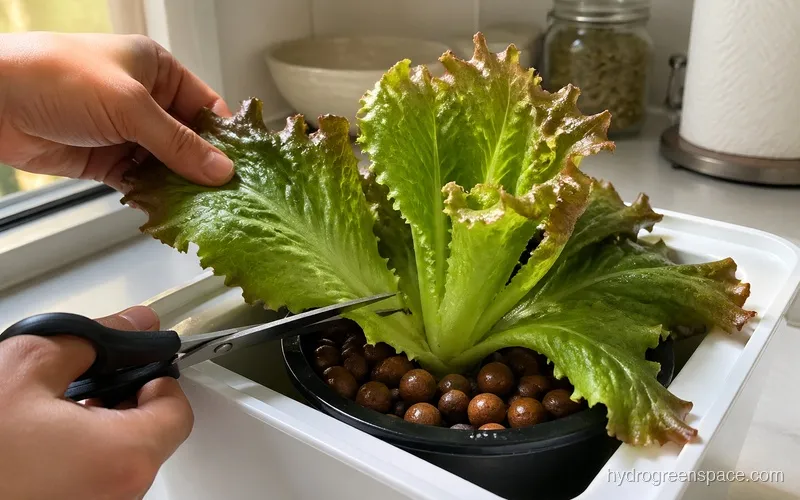
For looseleaf lettuce, you don’t need to pull the whole plant. Instead, use clean scissors or a sharp knife and cut the outer leaves only, leaving the inner crown intact. Here’s how to do it without stressing the plant:
- Take only the outer leaves that are 4 inches or taller.
- Cut about 1 inch above the growing medium, never right at the base.
- Leave at least 4–5 inner leaves untouched. These are the engine for regrowth.
- Don’t take more than one-third of the plant’s total leaf mass in a single session.
If you strip the plant too aggressively, it will take significantly longer to recover and may produce lower-quality leaves on the next round. Being conservative on the first cut means a better second harvest.
A healthy looseleaf plant can give you 3–4 harvests before it bolts or the quality starts dropping noticeably. The first harvest is usually the best. The gap between harvests is typically 10–14 days when conditions are dialed in.
Full Harvest
For butterhead, romaine, and crisphead, cut the entire plant at the base, about an inch above the net pot or growing medium. Use a clean, sharp blade. A dull knife bruises the stem and creates an entry point for bacterial rot if you’re trying to get a second flush.
After a full harvest, the plant may or may not regrow. Butterhead sometimes pushes new leaves from the crown, and you can get a smaller second head if you leave it in the system and keep the nutrients going. Romaine generally doesn’t regrow well enough to be worth the net pot space.
For more detail on getting second growth from cut plants, the post on regrowing lettuce after cutting covers what’s actually worth keeping versus what should be pulled.
What to Do Right After You Harvest
The harvest itself takes two minutes. What you do in the next hour determines the quality of your next round.
On the day you harvest:
- Refresh the nutrient solution. Don’t top off stale water. Drain and refill. Hydroponic lettuce responds well to a clean reservoir reset, especially after a full harvest.
- Check pH. It tends to drift after a harvest, particularly if roots are disturbed. Target 5.5–6.2 for lettuce.
- Inspect the roots. Root health that looked fine under the canopy might tell a different story once the leaves are gone. White, firm roots are healthy. Brown slime is root rot starting.
- Store the cut leaves correctly. Looseleaf harvests go straight into a dry container in the fridge. Don’t wash until you’re ready to eat.
For a full post-harvest storage routine, the guide on how to store your harvest covers refrigerator life, wash timing, and how to revive wilted leaves.
If you’re curious about whether you even need to wash hydroponically grown lettuce before eating it, the answer is nuanced, whether to wash hydroponic lettuce explains it properly.
Your First Harvest Changes Everything
The first time you cut a head of lettuce from your system, the timing clicks in a way it doesn’t when you’re just reading about it. You’ll know what 4-inch outer leaves look like on your specific variety, in your specific system, under your specific lights. That knowledge transfers directly to your next crop.
If this is your first time harvesting from a hydroponic setup, the overview on your first hydroponic harvest walks through what to expect across different crop types, useful context before you pick up the scissors.
Once you’ve nailed the harvest timing and method, the natural next question is what to grow in the space you just freed up. The post on vegetables you can grow hydroponically gives a solid list organized by difficulty, most of them slot right into the same system you’ve been running lettuce in. For the complete picture of what goes into growing, harvesting, and maintaining a lettuce crop, the hydroponic lettuce guide covers every stage.