
How Long Does Hydroponic Lettuce Last? Storage Tips
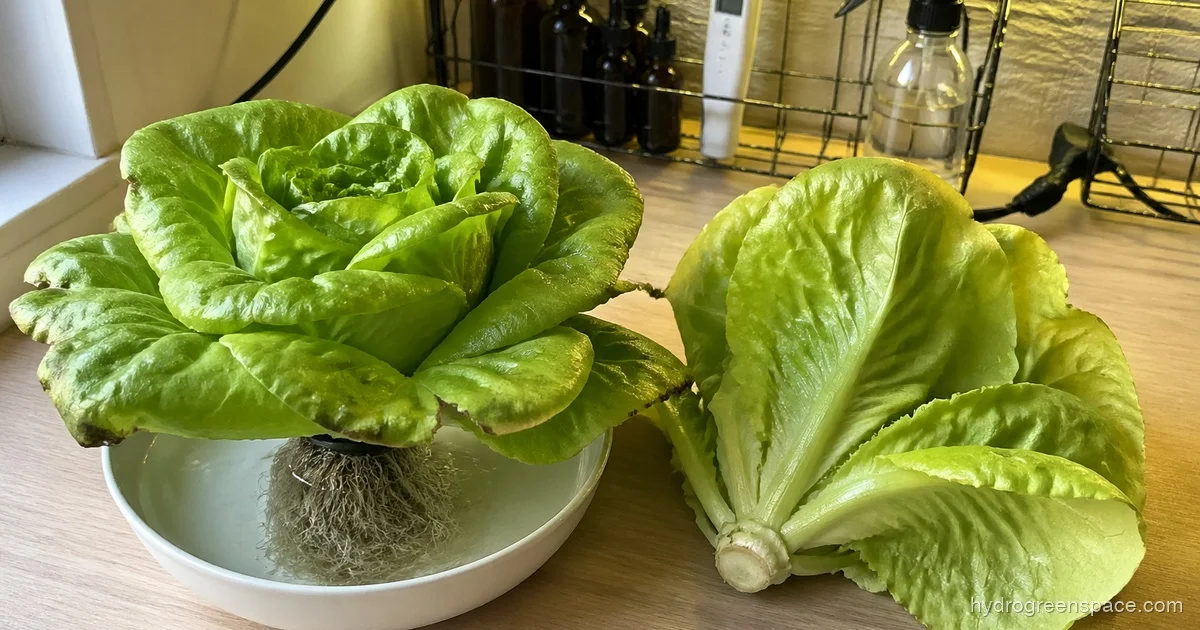
Hydroponic lettuce lasts anywhere from 7 to 14 days once cut, and up to 4 weeks when stored with the roots still attached. That gap matters a lot if you’re trying to time your harvests or avoid watching a beautiful head of butterhead go slimy in the back of the crisper.
The difference usually comes down to one decision: did you pull the whole plant or just cut the leaves? Once you understand that, the rest of the storage rules fall into place pretty quickly.
Why Hydroponic Lettuce Lasts Longer Than Soil-Grown
Soil-grown lettuce carries bacteria and residue from the growing medium. Hydroponic lettuce comes out of a clean, inert system, which means a lower microbial load right at harvest. Less bacteria on the leaves means slower breakdown.
There’s also a moisture consistency advantage. Hydroponically grown lettuce has been fed at steady intervals without drought stress, so the cell structure tends to be more uniform and firm. Stressed lettuce (from inconsistent watering or heat spikes in a garden bed) wilts faster after harvest because the cells weren’t fully turgid to begin with.
Soil lettuce typically lasts 5 to 7 days in the fridge. Hydroponic cut lettuce usually makes 10 to 14 days under the same conditions. The root-on version pushes even further.
Root-On Storage: The Living Lettuce Method
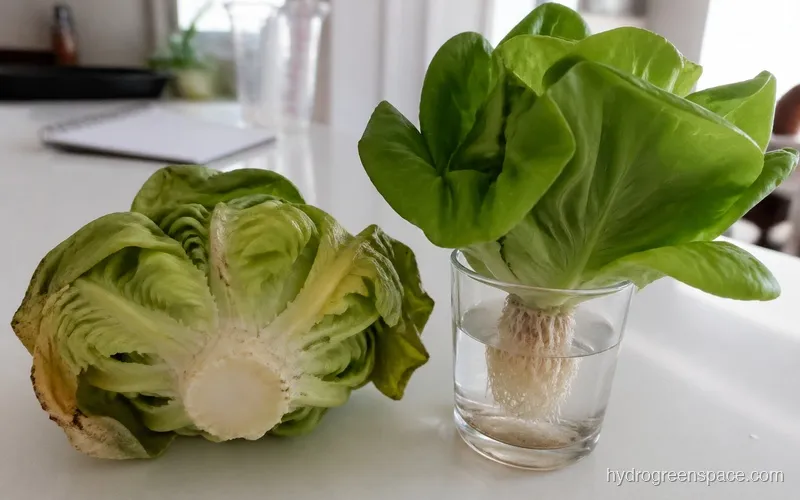
“Living lettuce” is what you see at grocery stores with the roots still attached, sitting in a tray of water. That method works at home too, and it’s the best way to extend hydroponic lettuce shelf life significantly.
Storing Root-On at Room Temperature
If your kitchen is below 68°F (20°C), a root-on head can sit on the counter for 4 to 7 days. Keep the roots in a shallow dish of plain water, change the water every 2 days, and keep it out of direct sunlight. The plant is still technically alive and still pulling in water through the roots, which keeps the leaves firm.
Above 68°F, you’ll notice the outer leaves starting to bolt or go limp faster. Move it to the fridge.
Storing Root-On in the Fridge
Place the root ball in a small cup or jar of water, loosely tent a plastic bag over the leaves without sealing it, and set it on a fridge shelf (not the crisper drawer, which is too enclosed for the roots). This setup can keep a head of lettuce fresh for 3 to 4 weeks. Refresh the water every few days.
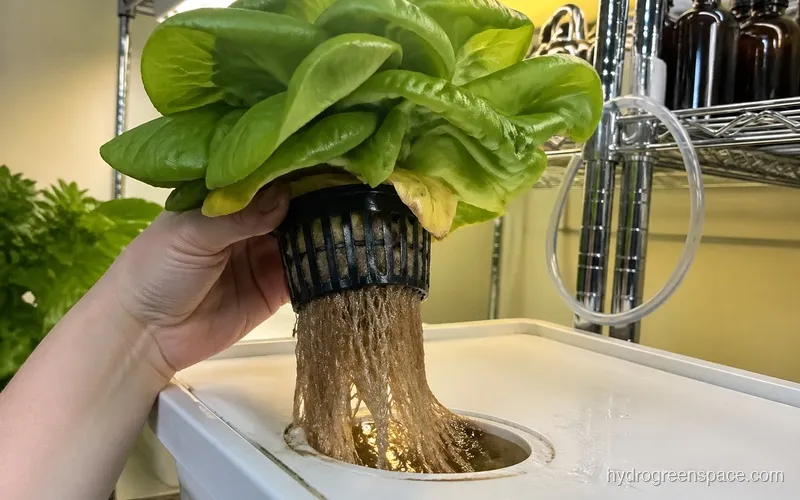
Tip: If you’re growing in a DWC or NFT system, pull the plant with the net pot still attached. The pot holds the root mass together neatly, makes it easy to set into a cup, and the roots don’t fall apart in the fridge.
Cut Lettuce: Getting the Most from Your Fridge
Once the roots are off, you’re working against the clock. The goal is to slow respiration and keep moisture in the leaves without creating the wet, anaerobic environment that causes sliminess.
Temperature: 34°F to 38°F (1°C to 3°C) is the sweet spot. Most fridges run around 37°F on a middle shelf. The crisper drawer at high humidity is ideal for cut lettuce because it maintains moisture around the leaves without pooling water.
Ethylene gas: Lettuce is sensitive to ethylene, the gas that fruits like apples, pears, and avocados release as they ripen. Storing cut lettuce near fruit accelerates yellowing and wilting. Keep them on separate shelves or in separate crisper drawers.
Moisture without wetness: A slightly damp paper towel loosely wrapped around the lettuce, then placed in a partially open bag, is the standard method. You want humidity around the leaves, not standing water touching the cut end.
Common mistake: Washing lettuce before storing it almost always shortens shelf life. Excess moisture left on the leaves accelerates rot. If you want to wash it, spin it completely dry first. For a deeper look at whether to wash hydroponic lettuce before storing, the decision tree depends on how you’re using it.
Signs Your Hydroponic Lettuce Has Gone Bad
Knowing when to toss it saves you from serving a sad salad. Here’s what to look for:
- Wilting that doesn’t recover: A slightly limp leaf often revives in cold water for 20 minutes. If it doesn’t perk back up, it’s past its best but usually still safe for cooked dishes.
- Sliminess: Any slimy texture on cut ends or leaves means bacterial breakdown has started. Toss it.
- Dark brown or black discoloration at the cut base: A little oxidation (light brown) is cosmetic. Dark, wet-looking discoloration signals decay moving up from the stem.
- Off smell: Fresh hydroponic lettuce smells like almost nothing. Any sour or fermented smell means it’s done.
Yellowing on outer leaves is usually just age and ethylene exposure, not decay. Peel those leaves off, and the inner leaves are often still perfectly good.
Harvest Method Changes How Long It Lasts
How you harvest your lettuce affects how long it will keep.
Whole-head harvest: Pull the entire plant at once. You get the most lettuce in one go, but post-harvest handling matters because you’re storing one large mass of leaves. Root-on storage is the best option here. If you’ve already cut the roots off, plan to use it within 7 to 10 days.
Cut-and-come-again: You harvest outer leaves and let the plant keep growing. The leaves you cut are already detached and smaller, so they dry out faster. Use cut-and-come-again harvests within 5 to 7 days.
If you’re trying to extend your harvest window rather than your storage window, look into how to regrow lettuce from a cut head. It’s a different approach entirely.
For timing the initial harvest itself, knowing when to harvest hydroponic lettuce makes a real difference. Harvesting too early or too late affects how long the leaves hold up in storage.
A Quick Reference
| Storage Method | Expected Shelf Life |
|---|---|
| Root-on, counter (below 68°F) | 4–7 days |
| Root-on, fridge (roots in water) | 3–4 weeks |
| Cut, fridge (crisper, damp paper towel) | 7–14 days |
| Cut, countertop | 1–2 days |
| Cut-and-come-again leaves, fridge | 5–7 days |
Does Hydroponic Lettuce Need Special Handling Compared to Other Crops?
Lettuce is more perishable than most hydroponic crops. If you’re growing a mix of greens, herbs, and fruiting plants, lettuce needs to move from system to table (or fridge) faster than nearly anything else. For context on how lettuce fits into a broader growing rotation, the guide to other fast-growing hydroponic crops covers timing and turnover rates for the most common options.
Once you match the right storage method to the harvest type, hydroponic lettuce holds up remarkably well. The real lever is timing your harvests to your eating schedule so you’re pulling heads when you need them rather than storing them longer than necessary.
If you’re growing more lettuce than you can eat before it turns, how to store hydroponic lettuce after cutting walks through longer-term options including freezing for cooked use. For the complete picture of growing and caring for your lettuce crop, the hydroponic lettuce guide covers every stage from system setup to post-harvest handling.