Is Hydroponic Lettuce Healthy? Nutrition Facts Inside
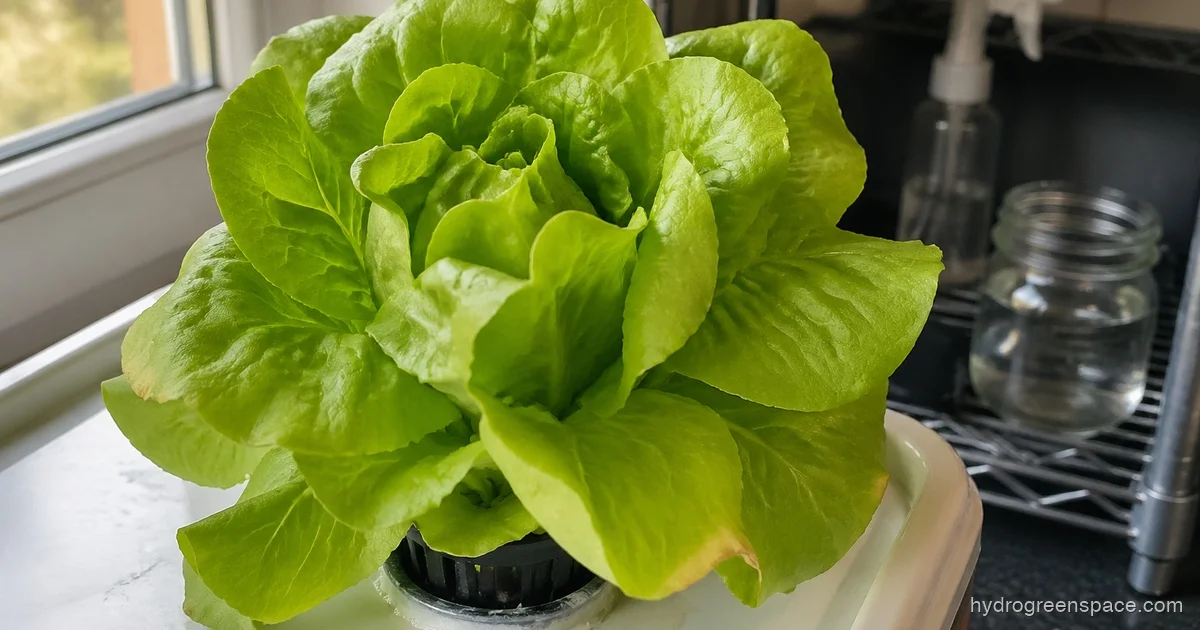
The short answer is yes, hydroponic lettuce is healthy. The longer answer is that it depends on what went into the water, how far it traveled before it hit your plate, and whether you grew it yourself or bought it at a grocery store. Get those three factors right and hydroponic lettuce holds up well against anything coming out of a field.
Nutrition comparisons between hydroponic and soil-grown vegetables have been studied more carefully than most people realize. The results are nuanced, not dramatic, and understanding them will help you make better decisions as a grower and as someone who eats what they grow.
What the Research Actually Shows
The most-cited concern about hydroponic produce is that it might be nutritionally inferior to soil-grown food. That concern is largely unfounded for lettuce specifically.
Multiple peer-reviewed studies have found that hydroponic lettuce is comparable to soil-grown lettuce on the key vitamins and minerals most people care about: vitamin A, vitamin K, folate, potassium, and calcium. Where the results get interesting is vitamin C (ascorbic acid) and antioxidants.
Some studies have found higher vitamin C levels in hydroponically grown lettuce than in field-grown lettuce. The leading explanation is that plants under slightly controlled stress (managed light cycles, precise nutrient delivery) upregulate their antioxidant production. Light intensity, in particular, has a strong effect on ascorbic acid content in leafy greens.
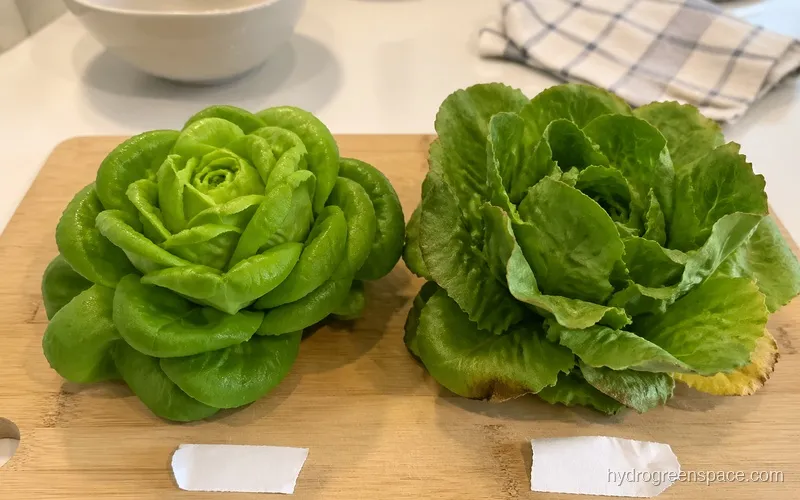
Antioxidants and phenolic compounds are a different story. A handful of studies show that soil-grown lettuce can have higher concentrations of certain phenolics on a fresh-weight basis. Soil is biologically complex. Plants respond to microbial activity, competition, and stress in ways that can trigger higher phenolic production. Hydroponics, especially in a well-controlled indoor environment, removes many of those stressors.
What this means practically: hydroponic lettuce is nutritionally solid across the board, and it often wins on vitamin C. It may give up a small amount on certain antioxidants compared to field-grown lettuce that experienced natural variability. That gap, where it exists, is not large enough to be a meaningful health concern.
The Nutrient Solution Is the Key Variable
Hydroponic plants get their nutrition entirely from the water they grow in. There is no buffer, no microbial correction, no complex soil chemistry to compensate for imbalances. Whatever is in your nutrient solution is exactly what ends up in your plant.
A well-formulated nutrient solution, one with complete macronutrients (nitrogen, phosphorus, potassium) and the right micronutrients (calcium, magnesium, iron, manganese, zinc, and the rest), produces lettuce that is nutritionally complete. A lazy or incomplete solution produces lettuce that reflects those gaps.
For home growers, this is actually good news. You control the inputs completely. You can use a high-quality, purpose-formulated nutrient solution designed for leafy greens and know exactly what your plants are getting. Commercial field farmers cannot do that. They are working with soil chemistry that varies by acre, by season, and by weather.
If you want to understand what ratios actually matter for lettuce, the NPK ratio for leafy greens in hydroponics post breaks this down in detail. Getting nitrogen, potassium, and calcium right is where lettuce nutrition starts.
What I’d do: Use a two-part nutrient solution designed specifically for leafy greens rather than a general-purpose formula. The difference in calcium and micronutrient delivery is real, and leafy greens have higher calcium demands than many other crops. This is one place where spending a few dollars more makes a measurable difference.
Does Hydroponic Lettuce Have Pesticides?
This is one of the clearest wins for hydroponic lettuce, whether you buy it or grow it yourself.
A controlled indoor growing environment eliminates most of the pest pressure that drives pesticide use in field agriculture. Aphids, thrips, caterpillars, and fungal diseases that require chemical intervention in outdoor fields rarely become serious problems in a properly managed indoor hydroponic setup.
Commercial hydroponic lettuce (the kind sold in sealed clamshells at grocery stores) is almost universally grown without pesticides. The sealed environment, combined with strict integrated pest management protocols, makes chemical pesticides both unnecessary and economically undesirable for most commercial hydroponic operations.
Home-grown hydroponic lettuce, grown in a clean system with good airflow and properly maintained water, is essentially pesticide-free by default. You are not applying anything you do not choose to apply.
This is a meaningful difference from conventionally grown field lettuce. Lettuce appears on the Environmental Working Group’s “Dirty Dozen” list regularly, meaning it tends to carry higher pesticide residues than most other vegetables when grown conventionally in soil. Hydroponic lettuce simply does not have that problem.
The Freshness Advantage Is Underrated
Nutrition in leafy greens degrades from the moment of harvest. Vitamin C, in particular, is unstable after cutting and starts declining within hours. Folate also degrades with exposure to light and temperature fluctuations.
Field-grown lettuce from a grocery store may have traveled hundreds or thousands of miles over several days before it reached the shelf. Even under refrigeration, that transit time results in meaningful nutrient loss. Studies measuring vitamin content in fresh versus stored produce consistently show declines that become significant after 3-5 days post-harvest.
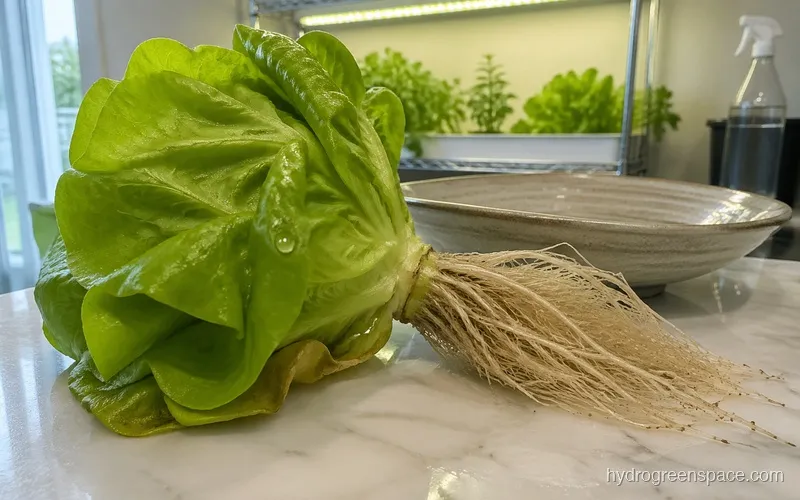
Hydroponic lettuce sold commercially, especially the living lettuce sold with roots still attached, has a significant freshness advantage over bagged field lettuce. You are buying something that was typically cut within 48 hours of reaching the store.
Home-grown hydroponic lettuce takes this further. You harvest it and eat it the same day. That is the freshest possible produce short of eating from a pot in your kitchen window. The when to harvest hydroponic lettuce guide covers exactly when to cut for peak flavor and nutrient density.
After harvest, proper storage matters too. Lettuce that sits in water or is stored incorrectly loses both quality and nutrition faster than most growers expect. See how to store hydroponic lettuce for the specifics.
Do You Need to Wash Hydroponic Lettuce?
Yes. This surprises some people who assume that because hydroponic lettuce was grown without soil and without pesticides, it does not need washing.
The reasoning for skipping the wash is understandable but wrong. Bacteria, including E. coli and Salmonella, can contaminate produce through water sources, handling, and post-harvest contact. None of those pathways are eliminated by growing hydroponically. Commercial hydroponic operations have had contamination events, and home systems are not immune to contamination from tap water, handling, or the growing environment.
Washing does not need to be complicated. Cold running water for 30-60 seconds is sufficient for whole leaves. If you are cutting the lettuce before washing, rinse the cut pieces thoroughly. A salad spinner is useful for drying without bruising.
The absence of pesticides on hydroponic lettuce does not change the hygiene requirement. Wash it.
Growing It Yourself Is the Strongest Health Argument
Here is the real case for hydroponic lettuce as a healthy food: when you grow it, you control everything.
You choose the nutrient solution and its quality. You decide whether any pesticides are used (they almost never need to be). You harvest at peak ripeness and eat it within hours.
No food system, soil or hydroponic, commercial or home-grown, can match that level of control and transparency. You are not relying on a farm you have never visited, a supply chain you cannot trace, or labels that may or may not reflect what actually happened to the plant.
Compare that to conventionally grown store lettuce, and the question “is hydroponic lettuce healthy” almost inverts. The better question becomes: healthy compared to what, and who grew it under what conditions?
If you want to explore whether hydroponics stacks up against soil more broadly beyond just lettuce, the hydroponics vs soil breakdown covers the full comparison across yield, water use, and nutrition.
For home growers who want to close the small phenolic gap between hydroponic and soil-grown produce, adding a small amount of compost extract to your nutrient reservoir is one approach that some growers use. The DIY hydroponic nutrients from compost post covers how to do that without disrupting your system chemistry.
What About Butter Lettuce Specifically?
Butter lettuce is one of the most common varieties grown hydroponically, and the health profile follows the same pattern as other lettuce types. It is soft, mild, and particularly well-suited to controlled environments where harsh temperature swings are absent.
One difference worth noting: butter lettuce tends to have a slightly lower density of bitter compounds (lactucin, lactucopicrin) compared to romaine and other varieties. Those bitter compounds have some antioxidant and mild sedative properties, so if you are specifically growing for maximum phenolic content, a heartier variety like red leaf or romaine will outperform butter lettuce regardless of growing method.
But if the question is simply whether butter lettuce grown hydroponically is a healthy food, the answer is clearly yes. It delivers meaningful amounts of vitamins A and K, folate, and potassium, with very low calories and high water content. Those numbers do not change because the plant grew in water instead of soil.
The healthiest lettuce you will ever eat is the one you grew yourself, harvested this morning, and put directly on your plate. For a complete look at how to grow it from seed to harvest, the hydroponic lettuce guide covers everything from system setup to storage.