Are Indoor Hydroponic Gardens Worth It? Honest Answer
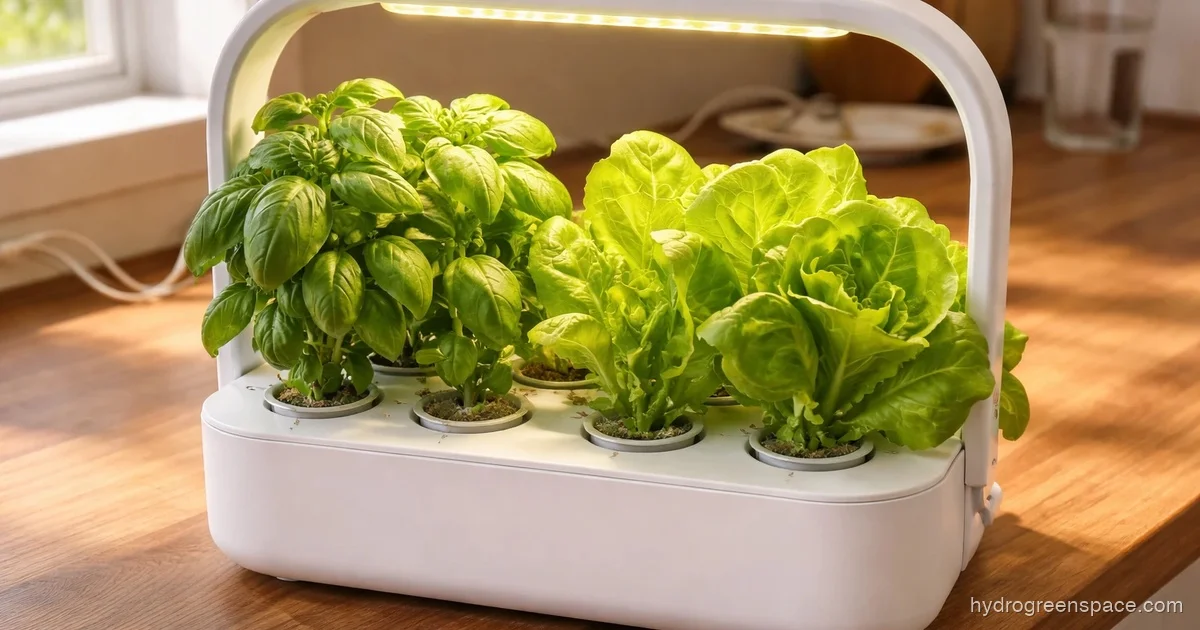
If you just want a steady supply of fresh basil and you’re willing to spend $80 on a countertop kit, yes, an indoor hydroponic garden is absolutely worth it. If you’re hoping to replace your weekly grocery haul on a $150 budget, the math doesn’t work and you’ll be disappointed inside six months. The honest answer to “are indoor hydroponic gardens worth it” is: it depends on who you are and what you want to grow, and this guide will tell you exactly how to figure out which camp you’re in.
Reality is messier than a simple yes or no. A two-site Kratky setup growing lettuce and mint costs almost nothing to run and pays for itself in a few months. A full tent build with a reservoir, grow lights, and a chiller can run $300+ upfront and take a year before it pencils out. Both qualify as “indoor hydroponic gardens.”
What “Worth It” Actually Means for a Home Grower
Before you run the numbers, decide what you’re actually measuring.
For some people, worth it means financial return: does growing your own produce cost less than buying it? For others, it means access and convenience: fresh herbs in December, salad greens without a grocery trip. And for a lot of growers (myself included), it eventually means the satisfaction of dialing in a system and watching plants grow faster than you thought possible.
All three are valid. The mistake is applying the financial measuring stick to a hobby you’d enjoy regardless of the payoff. If you’d get genuine pleasure from growing your own food, that has value that doesn’t show up in a spreadsheet.
That said, let’s look at the actual numbers because most beginners go in blind.
The Real Cost Breakdown: Setup Plus Ongoing
Entry-level setups (countertop/small Kratky/basic DWC): $70–$150
A simple Mason jar Kratky setup for herbs costs under $20 in supplies. A 6-site countertop unit like an AeroGarden Harvest runs $80–$100 and includes everything. A 5-gallon bucket DWC system you build yourself lands around $50–$70. These are genuinely low-cost entry points, and if you want to understand exactly what you’re buying, the complete cost breakdown for starting hydroponics covers every line item.
Mid-range setups (dedicated system, grow tent, proper lighting): $200–$500
Once you move into a real grow tent setup with an LED panel and a recirculating system, the upfront cost jumps. This is where beginners most often overspend before they know what they actually need.
Ongoing monthly costs
This is where most cost estimates fall short. For a small setup (4–8 sites, one LED grow light running 16 hours a day), expect:
- Electricity: $8–$20/month depending on your rate and light wattage
- Nutrients: $5–$15/month for liquid concentrate at small scale
- Seeds/seedlings: $3–$8/month
- pH up/down solution, occasional replacement parts: $3–$5/month
That puts a small system at $19–$48 per month in ongoing costs. A medium setup with a 200W LED and a larger reservoir runs closer to $40–$65/month.
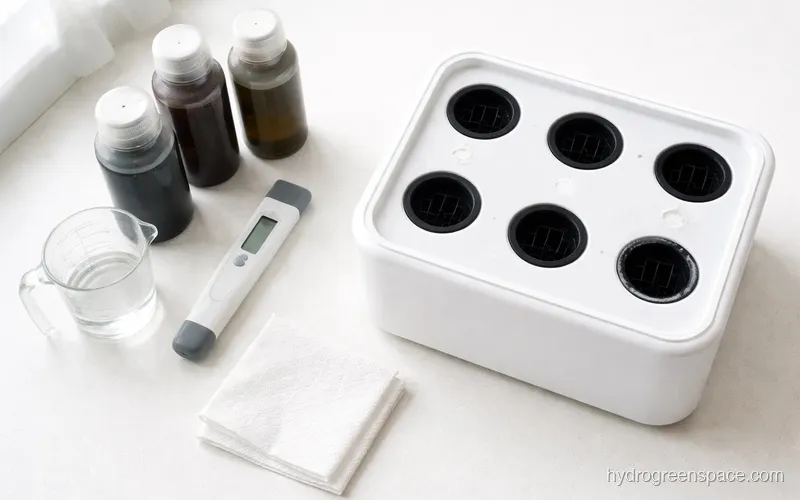
Tip: Your electricity cost is the one variable that changes most by region. If you’re paying $0.25/kWh or more, a high-wattage setup will push your monthly costs toward the top of that range. Run the numbers for your actual rate before buying a light.
The Honest Case Against: Who Should Stick With Soil
Hydroponics is not the right call for everyone, and there’s no shame in that.
You should probably stick with soil if:
- You want to grow tomatoes, peppers, cucumbers, or other large fruiting plants as your primary goal. These work hydroponically, but they require significant vertical space, strong lighting, and more maintenance than most beginners expect. The yield advantage doesn’t offset the complexity for a casual home grower.
- You travel frequently or plan to be away for 2+ weeks at a time. A passive Kratky setup can handle a short absence, but most active hydroponic systems need checking every 3–4 days minimum. Root zone issues, pH drift, and nutrient imbalances don’t wait.
- You’re looking for zero learning curve. There is a real ramp-up period, especially around pH management and reading plant deficiency signs. Most beginners make at least a few mistakes in the first 60 days. If that sounds frustrating rather than interesting, soil is more forgiving.
- Your primary motivation is cost savings at small scale. Growing one head of lettuce per week hydroponically does not save you money. The economics only improve at volume.
It’s also worth being honest about the moisture issue. Hydroponic growing environments, especially in a tent, create humidity that can attract fungus gnats and other pests if airflow isn’t managed properly. This isn’t a dealbreaker, but it’s a real maintenance consideration that a lot of enthusiast content glosses over. The common beginner mistakes in hydroponics guide covers how to stay ahead of the most frequent problems.
What Plants Are Actually Worth Growing Hydroponically Indoors
High ROI crops (start here):
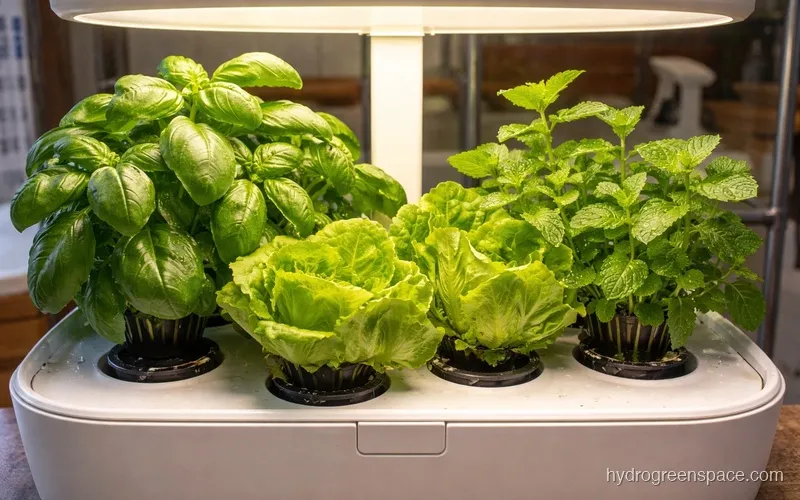
- Basil: Grocery store basil is expensive and wilts fast. A single Kratky jar of basil produces for 6–8 weeks and replaces $30–$50 in fresh bunches. This is the single fastest payoff plant in hydroponics.
- Lettuce: Fast (harvest in 30–40 days from seed), low-maintenance, and high-volume. Butterhead and romaine varieties are particularly well-suited. One 6-site system cycling constantly can replace most of a household’s salad greens.
- Mint, cilantro, parsley: All grow well in small passive systems, produce continuously if cut correctly, and are expensive per ounce at the grocery store.
- Arugula and spinach: Similar to lettuce, fast-growing leafy greens that don’t need much light depth to produce.
Crops that work but aren’t beginner-friendly:
- Tomatoes and peppers: High nutrient demand, need strong lighting (at minimum a solid 200W full-spectrum LED), and take 90+ days to produce. Possible, but not the right starting point.
- Strawberries: A popular beginner choice that underdelivers. They’re slow, require a specific pH range, and you’ll end up with fewer berries than you’d expect for the space they occupy.
For a full breakdown of what produces well in a home setup, the list of vegetables suited to hydroponic growing is a useful reference.
How Long Before a Small System Pays for Itself
Let’s use a realistic example: a $100 countertop system growing herbs and lettuce continuously.
- Monthly ongoing cost: approximately $25 (electricity + nutrients + seeds)
- Monthly grocery value replaced: $40–$60 if you’re consistently harvesting basil, lettuce, and a couple of herb varieties
At that rate, you break even on the hardware in 5–8 months and run at a net positive after that. That’s a reasonable payback for a kitchen appliance you use daily.
A larger $300 setup with a grow tent, proper LED, and a 20-site NFT or DWC system can replace significantly more produce, but the payback window extends to 12–18 months. Whether that feels worth it depends entirely on how much you enjoy the process.
What I’d do: Start with a 6-site countertop system or a simple Kratky build for herbs only. Grow basil, mint, and one lettuce variety for three months before deciding whether to scale up. The learning curve is compressed, the cost is low, and you’ll know by month two whether this is something you want to do more of. The beginner’s guide to indoor hydroponic gardens walks through exactly how to set that up.
The Learning Curve Is Real, But It’s Not Steep
Most beginner anxiety about hydroponics centers on the technical complexity. pH management, EC/TDS meters, nutrient ratios, root zone health. It sounds like chemistry class.
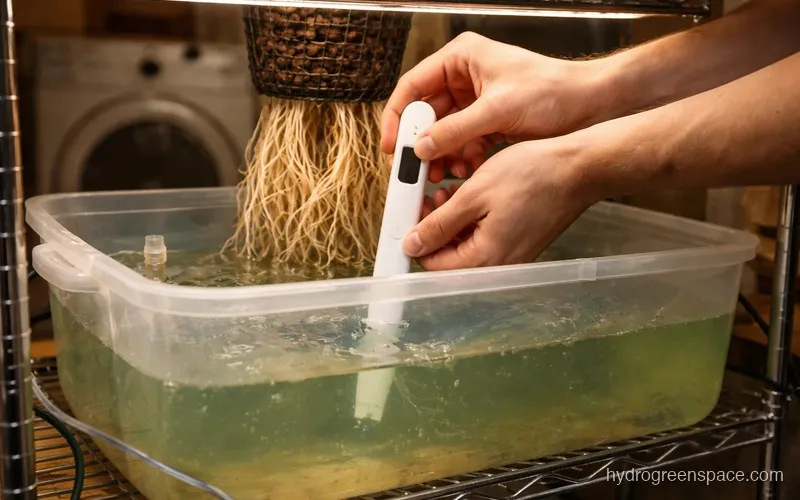
The reality: if you’re growing herbs and leafy greens in a small system, you’re checking pH twice a week, topping off the reservoir, and watching your plants. That takes about 10 minutes every few days once you’ve learned the rhythm. The first 30 days involve more observation and adjustment, but most growers are in a comfortable routine by week 5 or 6. The first 30 days of hydroponic growing guide covers what to expect week by week so you’re not troubleshooting blindly.
Where beginners run into real trouble is scaling too fast, buying systems before understanding the basics, or trying to grow fruiting crops before they’ve got pH management down cold. Keep the first system small and focused, and the learning curve is genuinely manageable.
The Verdict, Simplified
If you want fresh herbs year-round, grow faster than you can in soil, and don’t mind spending 10–15 minutes a week on maintenance, a small indoor hydroponic garden is worth it for most people. The entry cost is low enough that it’s a reasonable experiment even if you’re not sure.
If you’re hoping to offset a significant portion of your grocery bill, you’ll need a larger system, a commitment to growing high-value crops consistently, and 12+ months before the economics make clear sense.
If you’re ready to start, the hydroponic equipment checklist covers everything you need for a first build without the usual upsell noise. And if you want the full picture from choosing a system to your first harvest, the beginner guide to hydroponics walks through every step.