Balcony Hydroponics: Setup, Systems & What to Grow
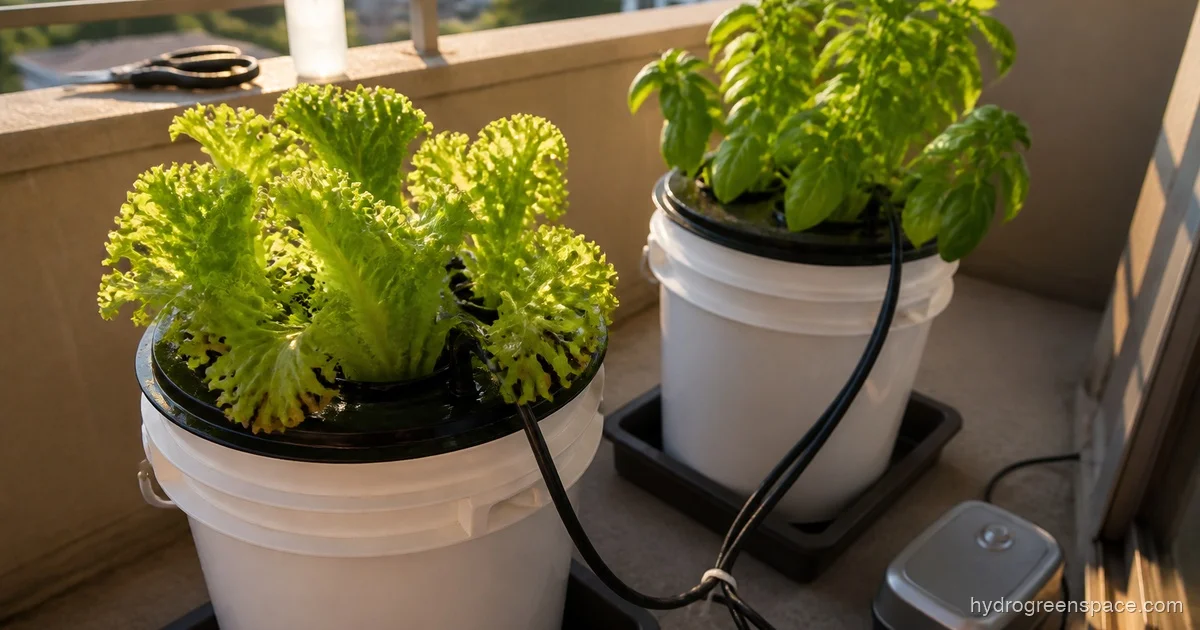
Balcony hydroponics gets romanticized online, with glossy photos of lush towers dripping with basil, lettuce cascading from vertical channels, all of it perfectly lit by afternoon sun. What those photos don’t show you is the reservoir that hit 80°F by noon and crashed the whole crop, or the vertical tower that tipped over on a windy Tuesday and scattered net cups across the floor below.
This guide is the one I wish I’d had. You’ll get a real picture of what works, what causes problems, and how to set up a system that’s actually matched to your specific balcony, not someone else’s ideal grow space.
Before You Buy Anything: Three Balcony Checks
Spend ten minutes on these three things first, because they’ll determine which system you should buy, or whether you need to adjust your approach entirely.
How Much Weight Can Your Balcony Hold?
This is the question almost no guide addresses, and it matters. A full nutrient reservoir holds roughly 8–9 lbs per gallon of water. A 10-gallon DWC bucket (completely filled) weighs close to 90 lbs before you add the growing container, lid, pump, and plants. Most apartment balconies are rated for 40–60 lbs per square foot, but individual structural limits vary. Check your lease or ask building management if you’re unsure. As a general rule: distribute weight across a wide footprint rather than concentrating it in one spot, and prefer smaller reservoirs (5 gallons or under) on upper-floor balconies.
How Many Hours of Direct Sun Do You Get?
Walk out to your balcony at 10am, 1pm, and 4pm on a sunny day and note whether your planned growing area is in direct sun or shade. Most vegetables need 6+ hours of direct sunlight. Leafy greens and herbs can tolerate 4 hours. If you’re below that, balcony hydroponics can still work, but you’ll need to either adjust your crop selection toward shade-tolerant plants or supplement with a small grow light mounted on the railing or wall.
How Much Wind Exposure Do You Have?
Wind is the factor that kills vertical hydroponic towers on balconies more than anything else. A tower full of plants and nutrient solution can weigh 20–30 lbs and has significant wind surface area. If your balcony is above the 5th floor or exposed on multiple sides, a compact horizontal system (like a countertop DWC or a small NFT channel) will serve you better than a tall tower.
Choosing the Right System for Your Balcony
There’s no single best hydroponic system for a balcony. The right answer depends on your space, sun exposure, and how hands-on you want to be. Here’s how the main options compare.
Deep Water Culture (DWC)
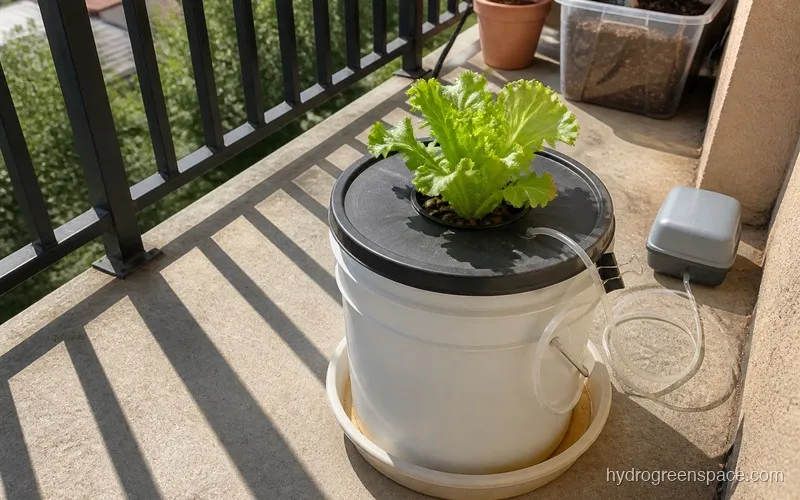
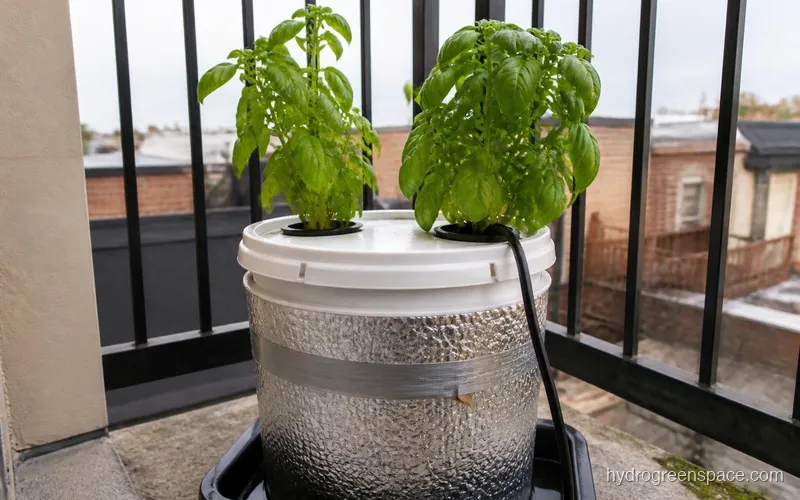
A DWC hydroponic system is the most beginner-friendly outdoor option. You’re essentially growing plants with their roots suspended in an oxygenated nutrient solution inside a bucket or tote. Low cost, simple setup, very forgiving. The catch outdoors: black buckets absorb heat, and a nutrient solution above 72°F invites root rot and algae growth fast. Wrap your reservoir in reflective insulation or use a light-colored container, and always shade the reservoir itself from direct sun. For a single herb or lettuce crop, a 5-gallon bucket DWC is genuinely hard to beat as a starting point.
NFT (Nutrient Film Technique)
NFT systems run a thin film of nutrient solution through horizontal channels, which drains back into a reservoir below. They’re space-efficient and work well for lettuce and herbs. Outdoors, the channel pipes can get hot in direct sun, which warms the solution faster than you’d like. Position the channels so they’re shaded during the hottest part of the day, which matters more outdoors than indoors. NFT is a solid choice if you have a narrow balcony with railing space to mount a channel horizontally.
Vertical Tower Systems
Vertical towers maximize growing sites per square foot, which is why they’re popular for balconies. Wind exposure is the main variable to assess before committing to a tall system. For a detailed comparison of options, the best vertical hydroponic system guide covers what’s worth buying versus what falls apart in season two.
Kratky Method (No Pump Needed)
If you want the simplest possible setup (no pump, no timer, no electricity at all), the Kratky method is worth understanding. You fill a jar or container with nutrient solution, place a net cup with the plant on top, and let the roots chase the water level down as it drops, creating an air gap for oxygen. It works well for lettuce and herbs. It’s not ideal for warm climates because the static reservoir heats up faster than a recirculating one. But for a shaded balcony where you want zero equipment, it’s a legitimate option.
What to Grow First
Start with plants that reward beginners quickly and handle variable conditions without drama. Here’s what actually performs well on a balcony setup:
Best starting crops:
- Lettuce is the fastest return, tolerates partial shade, and grows in almost any hydroponic system. Growing hydroponic lettuce covers timing and nutrient ratios in detail.
- Basil loves sun, grows fast, and gives you harvests within 3–4 weeks of transplanting. Needs at least 5–6 hours of direct sun outdoors.
- Mint, cilantro, parsley have lower light demands than basil and work well on shadier balconies. See the full hydroponic herbs guide for which varieties perform best.
- Spinach and kale are cool-season greens that work well in spring and fall when your balcony isn’t blasting in summer heat.
- Cherry tomatoes and peppers are possible, but save these for year two. They need 8+ hours of sun, deep root zones, and structural support that small balcony systems don’t easily provide.
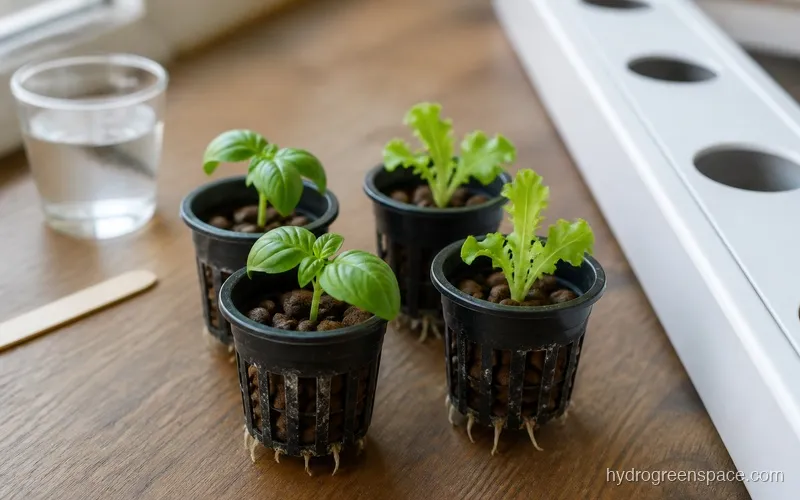
What I’d do: Start with a 5-gallon DWC bucket, grow two lettuce plants and one basil plant through your first season, and get a feel for how your balcony’s light and temperature behave before scaling up. The instinct to buy a 36-site tower immediately is understandable, but a single successful bucket harvest teaches you more than six weeks of troubleshooting a full tower.
The Real Challenges (and How to Handle Them)
Reservoir Overheating in Summer
This is the most common crop killer on outdoor balconies. Nutrient solution above 68–72°F holds less dissolved oxygen and becomes a breeding ground for root rot pathogens. In direct summer sun, an uninsulated reservoir can hit 80°F+ within hours. The solutions: wrap your reservoir in closed-cell foam insulation, paint or wrap it white or silver, use a smaller reservoir (less thermal mass, easier to manage), and shade the reservoir while keeping the plant canopy in the sun. The summer heat management guide goes deeper on this if you’re growing through July and August. You can also check the ideal reservoir temperature targets to know exactly what range you’re aiming for.
Inconsistent Sunlight
Urban balconies often have complex shade patterns: a neighboring building blocks morning sun, an overhang cuts out afternoon light, and what looks like a sunny spot turns out to be only 3 hours of direct sun on a summer day. The fix is mapping your actual sunlight, then matching your crop to what you have rather than fighting the environment. If you’re genuinely working with fewer than 4 hours, small LED supplemental lighting mounted vertically on a railing can close the gap without major power draw.
Wind
Secure everything. Vertical towers need to be tied or clamped to railing. Reservoir lids should be clipped, not just resting on top. Net cups should be snug in their holes. On a windy balcony, anything loose will eventually end up on the ground or on a neighbor’s property.
Cost Breakdown: What to Expect
| Setup Type | Approximate Cost | Best For |
|---|---|---|
| Kratky jars (4–6 plants) | $20–$40 | Herbs, lettuce, beginners |
| 5-gallon DWC bucket | $40–$80 | 1–2 plants, true beginners |
| Small NFT channel (12 sites) | $80–$150 | Lettuce-focused growers |
| Vertical tower (20–30 sites) | $100–$250 | Maximizing output per sq ft |
| NFT + vertical combo | $200–$400 | Experienced growers scaling up |
These costs don’t include nutrients, which typically run $20–$40 for a starter kit that covers a full season of lettuce and herbs. The returns aren’t dramatic in dollar terms, but fresh herbs and salad greens on demand from a balcony you weren’t using otherwise is hard to put a price on.
If you want to keep costs down and build rather than buy, DIY hydroponic systems and how to build a cheap hydroponic system both have detailed build guides that will get you growing for under $50.
A Note on Landlord Permission
Worth mentioning because it trips people up: running water or a pump on a balcony generally doesn’t violate standard leases, but some buildings prohibit planters that could leak onto lower floors or exceed weight limits. Check your lease before installing anything with a reservoir. Drip trays under every component is good practice regardless, since it’s considerate and keeps you on the right side of a conversation with your landlord.
If you’d rather skip the outdoor variables entirely and move everything inside, the complete guide to indoor hydroponic growing covers every indoor setup from countertop to grow room. The hydroponic apartment guide goes deeper on apartment-specific approaches, including options for spaces with no outdoor access at all. And if next year you want to expand your outdoor growing setup or take it off-grid, solar-powered hydroponics is worth exploring once you’ve got a season under your belt.
Once you’ve run a full crop through your balcony setup, you’ll have real data: how hot the reservoir gets at peak summer, which plants thrived, and where you’d add more growing sites. That information is worth more than any amount of pre-purchase research. Use it to make your next system decision.