Who Uses Hydroponics? From Home Growers to NASA
Picture two people. One is a NASA food scientist working on how to feed astronauts on a Mars mission. The other is a retired teacher in a small apartment who wanted fresh basil year-round and didn’t have a single square foot of outdoor space. Both of them landed on hydroponics, for completely different reasons. That range tells you something important about soilless growing: it’s not a niche for one type of person. It works across scales, budgets, and goals in ways that soil-based growing simply can’t match.
If you’re trying to understand what hydroponics is and how it works, the best place to start is by looking at who actually uses it and why they chose it.
Home Growers: The Fastest-Growing Group
The biggest shift in hydroponics over the last decade hasn’t been in commercial greenhouses. It’s been in kitchens, basements, and spare bedrooms across the country.
Home growers are now the most diverse group using hydroponics. The motivations vary widely: some want fresher food, some are in climates where outdoor growing is limited to four months, some have physical limitations that make soil gardening painful, and some just find it genuinely fascinating to watch plants grow without dirt. What they have in common is that they’re solving a real problem, not chasing a trend.
The barrier to entry has dropped significantly. A simple Kratky method setup for lettuce costs less than $20 in materials. There’s no pump, no timer, no electricity involved. For a first-time hydroponic grower, it’s about as close to foolproof as soilless growing gets. On the other end, some home growers build out entire basement hydroponic systems with multiple grow tents, automated dosing, and year-round harvests that genuinely offset a portion of their grocery bill.
Tip: If you’re a home grower just starting out, lettuce and herbs are the right first crops. They grow fast, they’re forgiving on nutrient concentration, and you’ll get a harvest in 3–4 weeks. That does more for your confidence than any guide ever could.
Apartment Dwellers: Growing Without a Yard
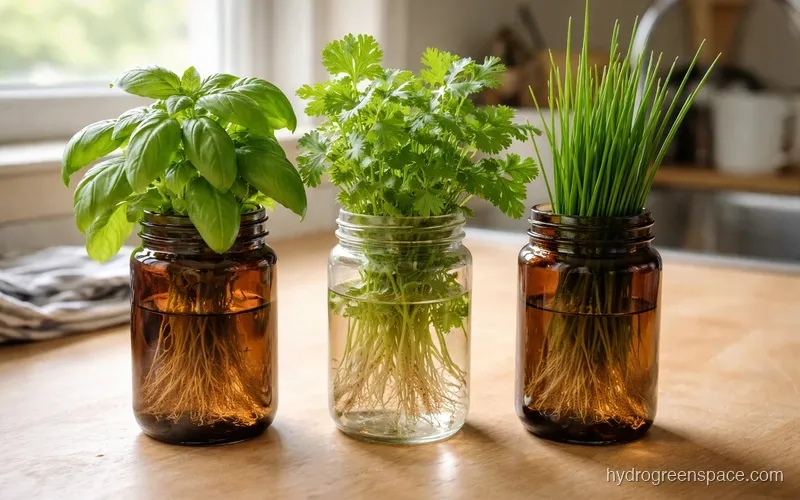
A subset of home growers worth looking at separately: people who have no outdoor space at all. Apartment hydroponics has taken off because it’s the only practical way for urban renters to grow their own food.
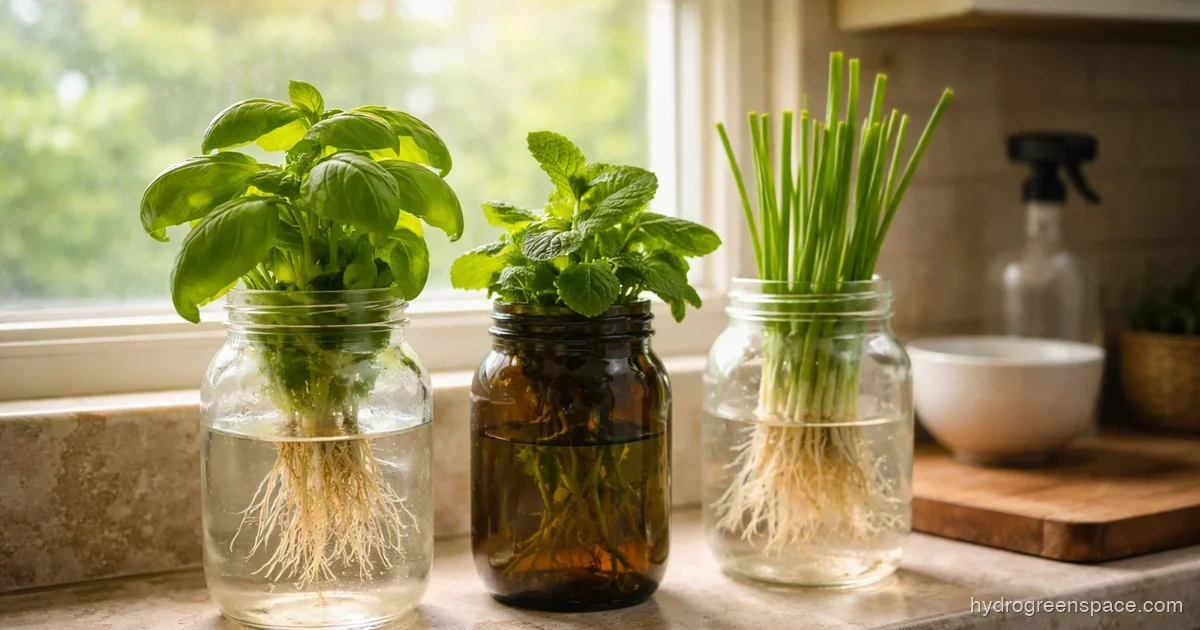
Soil gardening in an apartment is messy, often prohibited by lease agreements, and limited to whatever fits on a balcony. A compact hydroponic setup (a small NFT channel, a countertop AeroGarden-style unit, or even a row of Kratky jars on a windowsill) fits in tight spaces, doesn’t require outdoor access, and produces fresh greens and herbs continuously. For someone paying $5 for a small bunch of basil at the grocery store, even a basic hydroponic apartment setup pays for itself fast.
The control factor matters here too. Apartment growers can’t rely on seasonal weather or natural sunlight. Hydroponics, combined with a basic LED grow light, puts them entirely in control of the growing environment regardless of what floor they’re on.
Commercial Hydroponic Farmers: Scale and Reliability
At the opposite end of the scale, large-scale hydroponic operations have been running profitably for decades. The reason commercial farms use hydroponics isn’t idealism. It’s economics and consistency.
A commercial lettuce farm running a recirculating NFT system can produce 10–15 times more yield per square foot than field growing, with predictable harvest windows and near-zero crop loss to weather, pests, and soil disease. For retailers buying lettuce year-round, consistent supply matters more than almost anything else. Hydroponics delivers that.
The other factor is location. Controlled environment agriculture lets producers grow inside converted warehouses in cold climates, ship shorter distances to urban markets, and avoid the water waste and runoff associated with large-scale field farming. That’s not a small thing when water rights are becoming one of the most contested resources in farming regions.
You can read more about commercial hydroponic farming operations if you want to understand how the economics work at that scale.
Urban Farmers and Vertical Growing Operations
Urban farming sits between home growers and commercial farms. These are growers running rooftop greenhouses, converted shipping containers, or vertical farming installations inside cities, often selling directly to local restaurants, farmers markets, or community-supported agriculture subscribers.
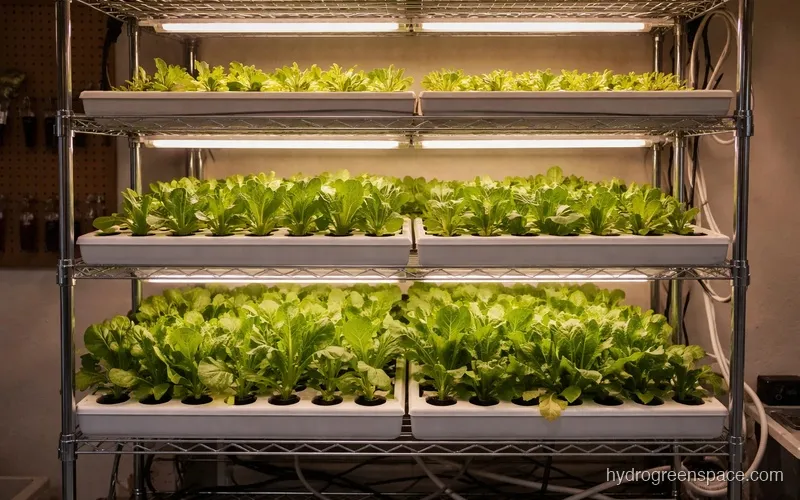
Vertical farming specifically relies almost entirely on hydroponics. Stacking growing layers requires precise water and nutrient delivery to each tier, which drip systems and aeroponic setups handle far better than any soil-based approach. The ability to grow in a controlled indoor environment, close to end customers, is what makes the urban farm model viable. Without soilless growing methods, the density needed for urban farming economics simply doesn’t work.
Schools and Educational Programs
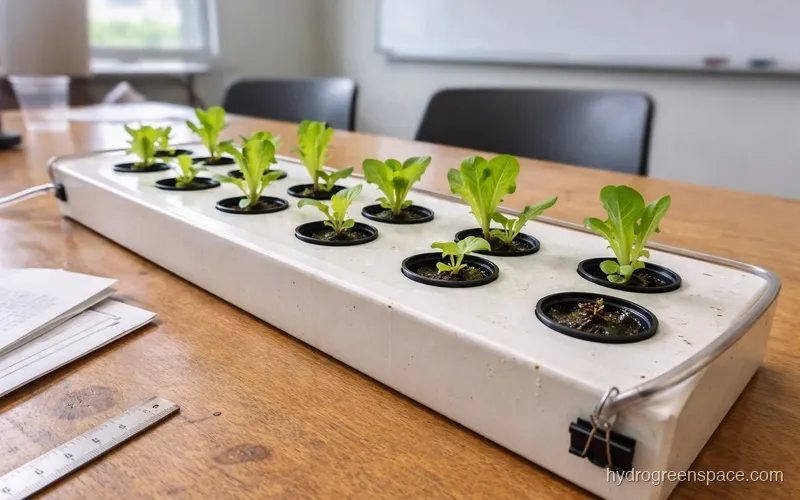
Hydroponic classrooms have become surprisingly common, from elementary schools to university research programs. The appeal for educators is straightforward: plants grow fast, the systems are visual and hands-on, and students can observe root development and plant biology in real time in a way that a pot of soil never allows.
Many schools run small NFT or deep water culture systems in science classrooms. Students learn about nutrient cycles, pH, and plant biology while actually managing a growing system. Some programs connect the harvest to school cafeterias, which adds a practical and motivational layer that changes how students engage with the project.
Do schools use hydroponics seriously, or is it just a novelty? The ones that stick with it for more than a year are usually running structured curriculum around it, not just a single science fair project. That’s where the educational value really shows.
Researchers and Scientists
Hydroponics is the method of choice whenever researchers need to control every variable in a plant’s growing environment. If you’re studying how nitrogen concentration affects tomato yield, you can’t introduce the soil variable and trust your results. Hydroponic growing isolates the nutrient delivery system completely.
Agricultural universities, food science departments, and plant biology labs all use hydroponic systems extensively. So does NASA. The agency has been running plant growth experiments on the International Space Station since the early 2000s, and the history of hydroponics in space research goes back further than most people realize. The practical question NASA is trying to answer, how to grow enough food on a long-duration space mission without resupply, is a version of the same problem urban farmers face on Earth: how do you grow food without soil, in a controlled environment, reliably?
The military has also used hydroponic growing at remote outposts where fresh produce logistics are difficult and costly. Forward operating bases in arid or arctic environments have used containerized grow systems to produce vegetables for personnel on-site.
Why Some People Still Don’t Use Hydroponics
The honest answer to “why don’t more people use hydroponics” is that the learning curve looks steeper than it is. Soil gardening is the default mental model for most people. You put a plant in dirt, you water it. Hydroponics asks you to think in terms of pH, nutrient ratios, dissolved oxygen, and system type before you’ve even bought any equipment.
The perception of complexity keeps a lot of potential growers on the sidelines. And when something goes wrong in a hydroponic system, the failure is usually faster and more visible than in soil. A root rot outbreak or a nutrient lockout can take out a crop in days. That same visible speed is an advantage when things are going right, but it feels like a risk when you’re starting out.
The other barrier is startup cost for anything beyond a basic passive setup. A serious home system with lighting, circulation, and environmental controls requires real investment. That’s not a myth, but it’s also not a reason to avoid starting small.
What All These Growers Have in Common
Different groups, different goals, but one consistent thread: they all chose hydroponics because soil couldn’t give them what they needed. Home growers wanted fresh food in a space without soil access. Commercial farms wanted consistency and yield. Researchers needed a controlled environment. Schools wanted something visual and engaging. NASA needed a system that works in zero gravity.
Why hydroponics matters for food production isn’t just an environmental argument. It’s a practical one, and the range of people who’ve arrived at the same conclusion independently makes that case better than any single argument.
If you’re in the home grower or apartment category and wondering where to start, the different types of hydroponic systems post will help you figure out which method fits your space and goals. Most people overthink the first step. Pick a simple passive system, grow some lettuce, and let the first harvest decide whether you want to go further.