Best Hydroponic System Under $100: 7 Picks Worth Buying
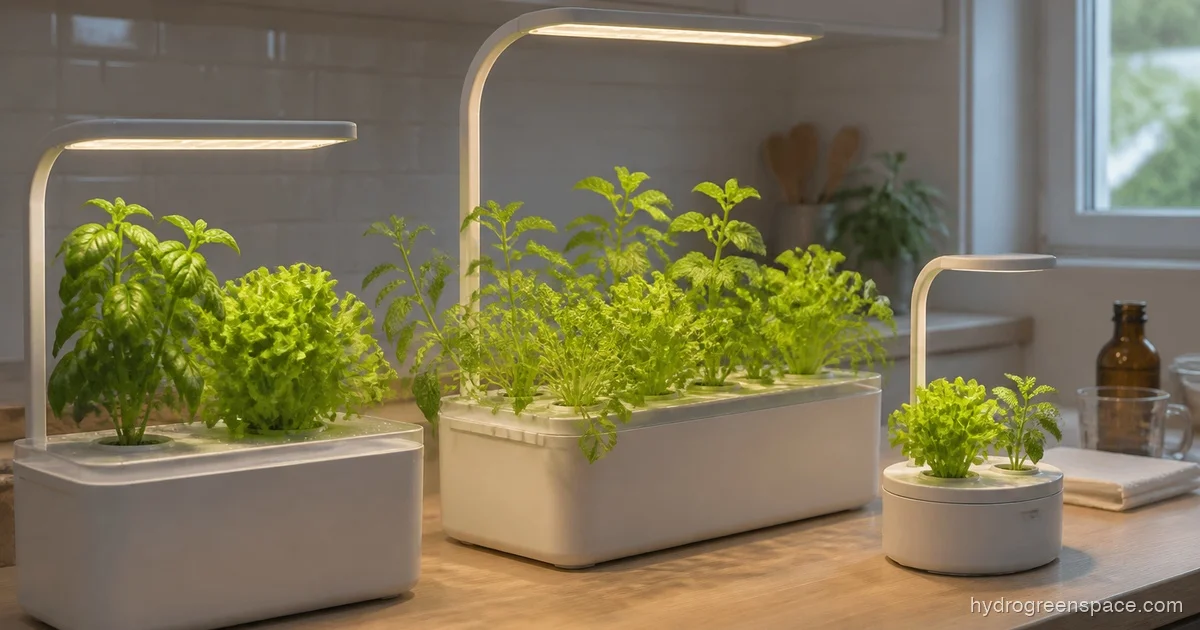
Most people shopping for a budget hydroponic system get burned not because the kit is bad, but because nobody told them what the kit doesn’t include. A $60 hydroponic garden that ships without nutrients, growing medium, or seeds isn’t a $60 investment, and the true startup cost is usually $30–$50 higher than the sticker price once you add what’s missing.
This guide covers the best hydroponic systems under $100 with an honest breakdown of what’s in the box, what type of system it is, and what you’ll need to add before your first seedling goes in. Every pick here can grow real food. Some are better for herbs, some can handle lettuce or greens, and one can even manage cherry tomatoes if you push it.
If you’re still deciding between system types, start with choosing your first hydroponic system before diving into specific products.
Quick-Pick Comparison
| System | Best For | Type | Price |
|---|---|---|---|
| AeroGarden Sprout | Herb growing, beginners | Pod system | ~$85 |
| CRZDeal 6-Pod | Budget-first buyers | Pod system | ~$40 |
| MUFGA 12-Pod | Maximizing pod count | Pod system | ~$65 |
| LYKO 12-Pod | Quieter operation | Pod system | ~$70 |
| Hydropickers Grow Box | Windowsill growing, no light needed | Passive wick | ~$35 |
What to Expect From a Hydroponic System Under $100
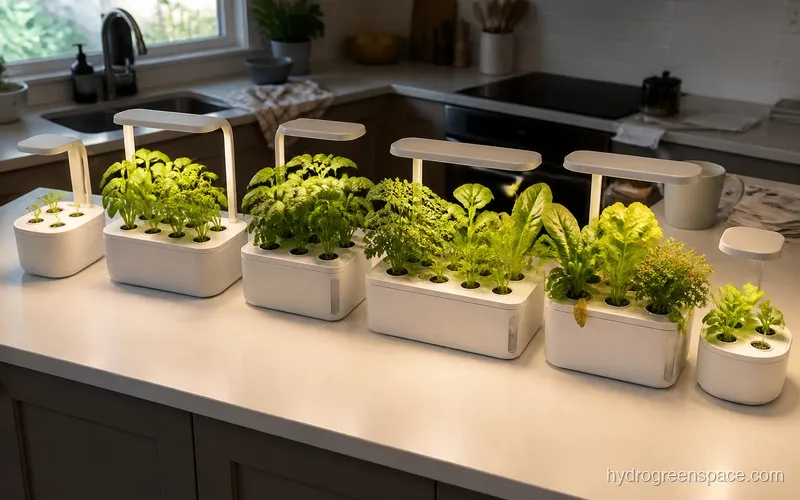
At this price point, you’re mostly looking at small-footprint herb garden kits (think 6 to 12 net cup pods) and passive or semi-passive systems. Full deep water culture (DWC) setups with a proper reservoir, air pump, and light are rare under $100 unless you build your own.
The three categories you’ll find in this budget:
All-in-one herb garden kits (AeroGarden-style): Pump-driven, LED included, compact countertop design. Best for herbs and leafy greens. Most common at this price.
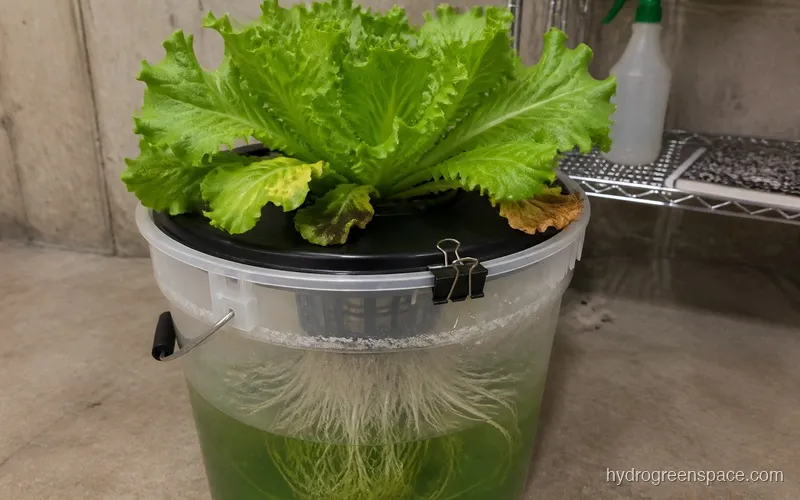
Kratky/passive DWC kits: No pump, no electricity for water circulation. You fill the reservoir, roots drop in, plants grow. Ultra-low cost and maintenance, but you manage water levels manually. Great for lettuce and herbs.
Multi-pod grow systems without lights: Lower upfront price because they skip the grow light. Only worth it if you have a south-facing window with 6+ hours of direct sun. Most people don’t.
Understanding the different types of hydroponic systems matters here because it changes what you’re buying, not just how much you’re spending.
The 7 Best Hydroponic Systems Under $100
AeroGarden Sprout: Best Overall Pick Under $100
The AeroGarden Sprout sits around $75–$85 and is the most complete kit you’ll find at this price. Six pods, a 10-watt LED grow light, a pump-driven circulation system, and a control panel that reminds you when to add water and nutrients. It’s not the biggest or the most powerful, but everything works out of the box and the light is actually calibrated for plant growth rather than just being bolted on as an afterthought.
AeroGarden Sprout
Six-pod countertop system with a 10W calibrated LED, pump-driven circulation, and automated nutrient/water reminders. The most complete kit at this price point.
Best for: Herb growing and beginners who want a reliable, fully integrated system
Check price on AmazonThe Sprout grows herbs well (basil, mint, chives, parsley) and handles compact lettuces. It won’t grow tomatoes or peppers. The pod count is limited, which is the main trade-off against cheaper 12-pod systems at the same price. What you get with AeroGarden is reliability: the company has been doing this for years, the nutrient delivery system is dialed in, and you’re unlikely to lose a crop to a design flaw.
Hidden cost: Replacement pod kits run $15–$25. After your first grow, you’ll want to switch to buying blank pods and your own seeds, which drops the per-grow cost significantly. The →AeroGarden Liquid Nutrients is a solid standalone purchase once you make that switch.
Read the full AeroGarden Sprout review for a detailed breakdown.
Pod count: 6 | Light included: Yes (10W LED) | System type: Pump-driven NFT-style
CRZ Deal Indoor Hydroponic Garden: Best Value at 12 Pods
The CRZ Deal garden runs $40–$60 and gives you 12 pods for that price, which is a strong value proposition if you’re growing herbs for the kitchen and want volume over premium build quality. The LED light is included and the pump keeps water circulating.
CRZDeal 6-Pod Hydroponic Garden
Twelve-pod system at a budget price point. Included LED and pump handle basil, lettuce, and herbs. Best for growers who want volume without paying AeroGarden prices.
Best for: Budget-first buyers who want maximum pod count
Check price on AmazonWhere it falls short: the light intensity is noticeably lower than the AeroGarden at the same or less power, and the build feels more plastic-heavy. It works fine for basil and lettuce, but you won’t get the same polish. You’ll also need to dial in your own nutrient schedule since the system doesn’t have smart reminders.
The 12-pod count is the real argument here. If you want to grow 3–4 varieties at once (basil, mint, cilantro, arugula) this gives you the space to do it without paying AeroGarden prices. See the full CRZ Deal review for specifics on performance.
Pod count: 12 | Light included: Yes | System type: Pump-driven
Lyko Hydroponics Growing System: Solid Mid-Range Option
The Lyko system ($50–$70) splits the difference between the AeroGarden’s quality and the CRZ Deal’s value. Twelve pods, an included grow light, and a cleaner build quality than most systems at this price. The light spectrum is better suited for leafy greens than some competitors, which matters if you’re growing anything beyond herbs.
LYKO 12-Pod Hydroponics System
Twelve-pod system with a grow light optimized for leafy greens. Cleaner build quality than budget alternatives, with an easy-access reservoir that doesn't require tipping the unit to check water levels.
Best for: Quieter operation and growing leafy greens beyond just herbs
Check price on AmazonOne thing I appreciate about the Lyko is that the reservoir is easier to top up than some sealed-base designs. You can see the water level without tipping the whole unit, which sounds minor until you’re doing it three times a week during a heat wave.
Full details in the Lyko hydroponics growing system review.
Pod count: 12 | Light included: Yes | System type: Pump-driven
Sarina Hydroponic Smart Garden: Best for Tech-Curious Beginners
The Sarina smart garden ($50–$80) includes app connectivity for monitoring light cycles and setting reminders. For someone who wants just a bit more automation without jumping to a full smart system, this is a reasonable choice.
The app integration is genuinely useful rather than gimmicky. You can set custom light schedules and get alerts when water is low. The grow light is adequate for herbs and lettuce. Pod count sits at 12.
The caveat: smart features add failure points. If the app stops working or the company stops supporting it, you’re left with a basic grow light system. That’s a real consideration for a long-term setup. See the Sarina hydroponic smart garden review for more on the app experience.
Sarina isn’t sold on Amazon. The →LETPOT LPH-SE 12-Pod (WiFi)Closest Amazon equivalent to the Sarina smart garden is the closest equivalent with comparable app features.
Pod count: 12 | Light included: Yes | System type: Pump-driven with app control
MUFGA Hydroponics: Best 12-Pod Option for Beginners
MUFGA sits at $60–$90 for a 12-pod system with a full-spectrum LED and a quiet pump. It’s one of the most beginner-friendly systems in this category because the setup is genuinely simple: fill the reservoir, add nutrients, insert pods, plug in the light timer, and you’re done.
MUFGA 12-Pod Hydroponic Garden
Twelve-pod full-spectrum system with a built-in light timer and quiet pump. Setup takes under 10 minutes: fill the reservoir, add nutrients, insert pods, and plug in. No manual light schedule to manage.
Best for: True beginners who want the simplest possible setup with maximum pod count
Check price on AmazonThe light timer is built in, which not every system at this price includes. That’s a meaningful feature. Forgetting to manually turn your grow light off at night is how you stress plants, and having the timer handled removes that variable entirely.
Pod count: 12 | Light included: Yes (full spectrum) | System type: Pump-driven
Hydropickers Hydroponic Grow Box: Best for Taller Plants
Most countertop systems top out at 12–14 inches of grow height, which limits you to herbs and small lettuces. The Hydropickers grow box ($60–$80) has a more vertical design that gives plants more room to develop. If you want to push the system toward compact peppers or cherry tomatoes, this gives you the headroom to try.
Emsco Hydropickers Grow Box
Vertical-design hydroponic grow box with extra headroom for taller plants. Included light is positioned for the taller grow profile. One of the few systems at this price that can realistically support compact peppers or cherry tomatoes.
Best for: Windowsill growing and growers who want to push toward taller crops
Check price on AmazonThe pod count is lower (typically 6–8 pods), but the design compensates for that with the extra height. The light is included and positioned for the taller grow profile.
Full details in the Hydropickers hydroponic grow box review.
Pod count: 6–8 | Light included: Yes | System type: Pump-driven, vertical design
Kratky Bucket Kit: The Ultra-Budget Option
If you want to try hydroponics for as little as possible, the Kratky method is the way to do it. A 5-gallon bucket, a net cup lid, and nutrient solution. That’s the entire setup. No pump, no electricity beyond whatever grow light you choose to use. Passive DWC. You can put together a working Kratky system for $15–$25 if you already have a south-facing window.
The trade-off is attention. Kratky is hands-on with water management. You’re checking levels regularly and topping up as needed. It also doesn’t scale the way a multi-pod system does.
For the curious: building a cheap hydroponic system covers the DIY bucket route in detail, and DIY hydroponic systems under $50 walks through the cheapest builds that actually work.
Pod count: 1–4 depending on setup | Light included: No | System type: Passive DWC/Kratky
Comparison Table
| System | Price | Pods | Light | Timer | Best For |
|---|---|---|---|---|---|
| AeroGarden Sprout | $75–$85 | 6 | Yes (10W) | Yes | Reliability, herbs |
| CRZ Deal | $40–$60 | 12 | Yes | Manual | Budget, volume |
| Lyko | $50–$70 | 12 | Yes | Yes | Leafy greens |
| Sarina Smart Garden | $50–$80 | 12 | Yes | App | Tech-curious beginners |
| MUFGA | $60–$90 | 12 | Yes | Built-in | True beginners |
| Hydropickers | $60–$80 | 6–8 | Yes | Yes | Taller plants |
| Kratky Bucket | $15–$25 | 1–4 | No | No | Minimum spend |
Buyer’s Guide: What Actually Matters at This Price
What’s Usually Not Included (Even When It Should Be)
This is the most important section if you’re about to click buy. Most kits at this price ship without:
- Nutrients: You need a two-part or three-part hydroponic nutrient solution. Soil fertilizers won’t work. Budget $10–$20 for a starter bottle. The →General Hydroponics Flora Series is the standard three-part kit that works across all systems.
- Growing medium: Rockwool starter plugs or grow sponges go in the net cups. Some kits include a starter set; most don’t. →VIVOSUN Rockwool Grow Cubes work in any system, or →PACETAP 50-Pack Grow Sponges if you prefer foam-based starters compatible with AeroGarden-style pods.
- Seeds: Obvious, but worth stating. Heirloom herb seed packs run $3–$8 per variety.
- pH testing: Your nutrient solution needs to be between 5.5 and 6.5 pH for plants to absorb what you’re feeding them. The →Apera PH20 pH Tester is a reliable waterproof option that reads accurately in the 5–7 range where hydroponic growers spend most of their time.
The total startup cost is usually $30–$50 on top of the kit price when you account for all of this. Plan for it upfront. How much it costs to start hydroponics lays out the full picture.
Does Pod Count Matter More Than Light Quality?
At this price point: light quality wins. A 6-pod system with a calibrated grow light will consistently outperform a 12-pod system with an underpowered LED. More pods only helps if the light can support the canopy above them. Plants grown under insufficient light stretch (etiolate), taste weak, and yield poorly.
If you’re choosing between the AeroGarden Sprout (6 pods, better light) and a generic 12-pod kit with a lower-wattage LED, the Sprout will produce better herbs per plant even with half the pod count.
Can You Grow Vegetables (Not Just Herbs)?
Yes, but within limits. Lettuce, spinach, arugula, kale, and compact basil all do well in countertop systems under $100. Cherry tomatoes and dwarf peppers are possible in the Hydropickers or similar tall designs, but you’re pushing what the light can support.
Full-size tomatoes, cucumbers, and squash need DWC setups with significantly more light and reservoir volume than anything in this price range. An indoor hydroponic garden for beginners is the right starting point for those crops.
What’s the Difference Between a $50 Kit and a $100 Kit?
At $50 you’re getting a basic pump-driven multi-pod system with a budget LED. It will grow herbs. At $100 you’re getting a better light spectrum, a more reliable pump, often a built-in timer, and a more thoughtful overall design. The $50 kit requires more babysitting; the $100 kit is more set-it-and-check-it.
Neither is wrong. If you’re not sure hydroponics will stick for you, start at $50 and reinvest into a better system once you’re hooked.
Once you’ve got a few grows under your belt with a starter system, the jump to a larger setup makes a lot more sense. You’ll know which crops you actually use, how much space you want to dedicate, and what features matter to you. If you’re still deciding which beginner format is right for you, the best hydroponic systems for beginners shows how the under-$100 category compares to DWC and other entry-level options. When you’re ready to move up, best hydroponic systems under $200 covers better lights, larger reservoirs, and systems that can genuinely support vegetables year-round.