Best Hydroponic System Under $200: 6 Picks That Deliver
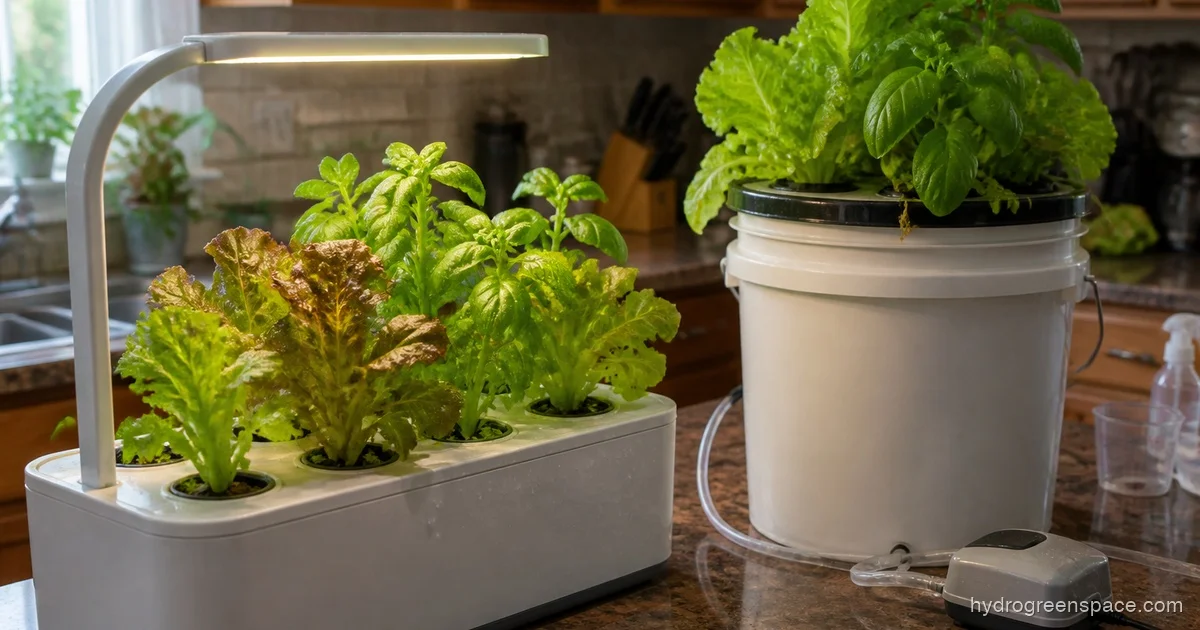
Spend $100 on a hydroponic system and you’ll grow herbs. Spend $200 and you can grow vegetables. That’s the honest summary of what separates these two price brackets, and it mostly comes down to two things: light output and reservoir size. The systems in this guide cross both of those thresholds.
This is a buyer’s decision guide, not just a product list. If you’ve already tried a budget pod system and want to know whether the upgrade is worth it, the answer is yes, but only if you buy the right type of system for what you actually want to grow.
For a broader view of what’s available at the lower end, check out the best hydroponic systems under $100 first. That article covers the entry-level field, and the comparison there is useful context for understanding why these picks cost more.
Quick-Pick Comparison
| System | Best For | Type | Price |
|---|---|---|---|
| iDOO 20-Pod | High volume herbs and greens | Pod system | ~$150 |
| AeroGarden Bounty | Best light quality at this price | Pod system | ~$180 |
| MUFGA 18-Pod | Beginner-friendly large system | Pod system | ~$120 |
| PowerGrow DWC Kit | Vegetables, tomatoes, peppers | Deep water culture | ~$100-$150 |
| Grow1 DWC Complete Kit | Single-bucket DWC for beginners | Deep water culture | ~$50-$80 |
| LETPOT LPH-SE 12-Pod | App-controlled pod system | Pod system + app | ~$120-$150 |
Is It Worth Upgrading From a $100 System?
The short answer: it depends on what you want to grow.
If you’re happy growing basil, mint, and lettuce and your current system produces enough for your kitchen, you probably don’t need to spend more. A 12-pod MUFGA or LYKO handles those crops well and the yield is enough for regular cooking.
The upgrade becomes worth it in three specific cases.
You want to grow more plants at once. The jump from 12 to 20 pods is meaningful when you’re running multiple herb varieties and lettuces simultaneously. You go from needing to choose what to grow to having room for everything.
You want to grow vegetables, not just herbs. Cherry tomatoes, compact peppers, and dwarf cucumber varieties need root space and light intensity that $100 systems can’t deliver consistently. The light in particular is the limiting factor. A 10-watt LED that’s great for basil isn’t enough to drive fruit set on a tomato plant.
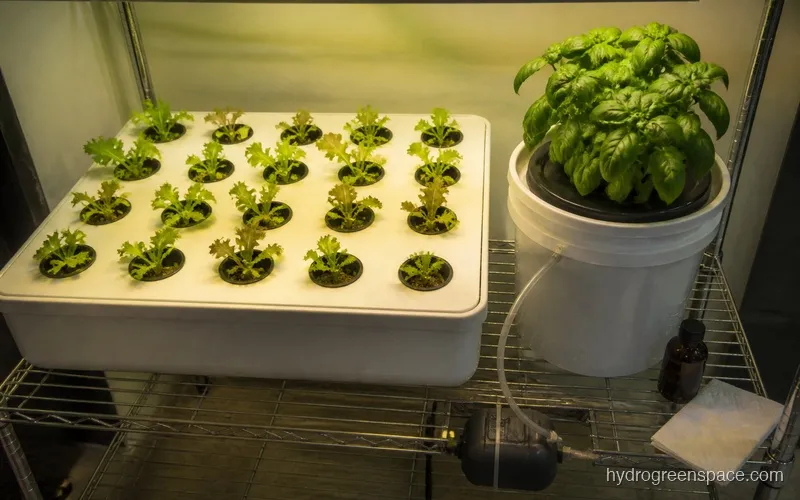
You want a deep water culture (DWC) setup that can grow full-size crops year-round. At the $100-200 range, proper DWC kits become accessible. These aren’t pod systems. They’re reservoir-based setups where roots hang directly into oxygenated nutrient solution. The yield per plant is dramatically higher than any countertop pod system at any price.
If your goal is vegetables, how to choose your first hydroponic system walks through the system type decision in detail before you buy anything.
The Best Hydroponic Systems Under $200
iDOO 20-Pod Hydroponic Garden: Best for Volume
The iDOO 20-pod system sits around $130-150 and is one of the few pod-based systems that can genuinely run a kitchen garden at scale. Twenty pods sounds like a lot and it is. You can run three or four lettuce varieties, a full herb section, and a handful of arugula pods simultaneously without running into spacing issues.
The grow light is a step up from what you get on 12-pod budget systems. iDOO uses a full-spectrum LED specifically calibrated for their pod spacing, which matters more than wattage numbers in marketing copy. Light that reaches the outer pods consistently is worth more than a high-watt bulb that mostly illuminates the center.
iDOO 20-Pod Hydroponic Garden
Twenty-pod system with a full-spectrum LED calibrated for wide canopy coverage. Runs a kitchen garden at scale with room for multiple herb varieties, lettuce, and greens simultaneously. Quiet pump, built-in timer, and a taller grow height than most competitors.
Best for: High-volume herb and leafy green growing when 12 pods isn't enough
Check price on AmazonThe system has a taller grow height than most countertop pod designs, which gives you more flexibility on what you plant. Compact basil varieties and leafy lettuces do well, and the extra height lets some herbs reach full size without bumping the light panel. The pump is quiet enough that it won’t bother you in a kitchen or bedroom setup.
One honest note: twenty pods is impressive, but the light coverage across that wide a canopy still has limitations at the edges during peak growing periods. If you’re growing high-light crops like compact tomatoes, keep them toward the center.
AeroGarden Bounty: Best Light Quality in a Pod System
AeroGarden’s Bounty model runs about $170-190 and represents the top of what the company offers before you move into their professional line. Nine pods, which is fewer than the iDOO, but the 45-watt LED is in a different class than anything else at this price.
That light intensity is the reason the Bounty can reliably grow cherry tomatoes, compact peppers, and larger basil plants when other systems in this category struggle. Light drives yield in hydroponics, and 45 watts of quality full-spectrum LED is enough to support fruiting plants through their whole growth cycle.
AeroGarden Bounty
Nine-pod system with a 45-watt full-spectrum LED powerful enough for cherry tomatoes and compact peppers. App-controlled light scheduling, automated nutrient reminders, and 24 inches of maximum grow height. The best light quality available in a consumer pod system under $200.
Best for: Growing fruiting vegetables like cherry tomatoes and peppers in a countertop pod system
Check price on AmazonThe 24-inch maximum grow height is useful here. A determinate cherry tomato variety grown in a Bounty can actually be harvested across a full season, not just a few weeks. The app integration is more reliable than most competitors. AeroGarden has been refining this for years, and the light scheduling and nutrient reminders work consistently.
Pod count trade-off is real: nine pods versus twenty in the iDOO. But if your goal is actually growing vegetables rather than maximizing herb volume, the Bounty’s light outweighs the pod count difference. For a deeper comparison of what DWC and pod systems can do at this price, see the different types of hydroponic systems.
MUFGA 18-Pod System: Best Entry Point Into This Tier
MUFGA makes an 18-pod version that sits around $110-130 and is the most accessible stepping stone from the 12-pod budget tier. If you’ve had a 12-pod MUFGA or similar system and liked it, this is a natural upgrade without a steep learning curve: same setup logic, more pods, better light.
MUFGA 18-Pod Hydroponic Garden
Eighteen-pod full-spectrum system with a built-in light timer and adjustable grow arm. Familiar setup process for anyone who has used a 12-pod system. A reliable volume upgrade without requiring any new skills or equipment.
Best for: Beginners upgrading from a 12-pod system who want more capacity without complexity
Check price on AmazonThe MUFGA 18-pod includes the same built-in timer that makes the 12-pod version beginner-friendly. You’re not learning anything new, just getting more pods and a slightly better light. Good crops for this system: lettuce, basil, mint, cilantro, arugula, spinach, and kale. Stick to herbs and greens and this system delivers consistently.
What I’d do: If you’ve already grown one or two successful crops on a 12-pod system and mostly want more of the same, the MUFGA 18-pod is the lowest-friction upgrade. If you want to grow differently (vegetables, larger plants, deeper roots), jump to a DWC setup instead.
PowerGrow DWC Bucket Kit: Best for Vegetables
This is where the article shifts gears. Everything above is pod-based. This is a proper deep water culture (DWC) system, which means roots hang directly into a large oxygenated nutrient reservoir rather than sitting in small net cups above a shallow water channel.
The PowerGrow 4-bucket DWC kit runs about $100-150 depending on configuration. Four 5-gallon buckets, air pump, air stones, net pot lids, tubing, and everything needed to start. You supply the grow light and nutrients separately.
PowerGrow Deep Water Culture Kit
Four-bucket DWC system with 5-gallon buckets, air pump, air stones, net pot lids, and all tubing. Roots hang directly into oxygenated nutrient solution, giving each plant significantly more root space than any pod system. Grow light sold separately.
Best for: Growing tomatoes, peppers, cucumbers, or any crop that needs real root space
Check price on AmazonHere’s what DWC gives you that pod systems can’t: a full-size tomato plant grown in a 5-gallon DWC bucket can yield 5-10 pounds of tomatoes over a single indoor season. A cherry tomato in a pod system might give you a handful per week at peak. The root zone volume difference is the reason. Roots in a 5-gallon bucket can develop the mass they need to support a mature fruiting plant.
The trade-off is setup complexity and active management. You’re monitoring nutrient concentration with an EC meter, checking pH regularly, and making sure the air pump keeps the reservoir oxygenated. It’s more work than a self-contained pod system, but the ceiling on what you can grow is much higher. The hydroponic equipment checklist covers everything you’ll need to add beyond the kit itself.
Grow1 5-Gallon DWC Kit: Best Single-Bucket DWC
If the PowerGrow four-bucket setup is more infrastructure than you want right now, the Grow1 5-Gallon Complete Kit is the entry point into real DWC growing without the multi-bucket commitment. It runs $50-80 and comes with everything you need to get roots into oxygenated nutrient solution: the bucket, lid, air pump, air stone, tubing, and a bag of clay pebbles. You supply the grow light and nutrients.
Single-bucket DWC is a legitimate way to learn the system before scaling up. One plant in a 5-gallon bucket has more root volume than any countertop pod system, and the yield ceiling on that one plant is significantly higher. A compact pepper or determinate cherry tomato grown in this kit can produce for months. The learning curve on DWC is real but it’s manageable on one bucket: you check EC and pH every few days, top off water as needed, and watch the roots develop. Once you’ve run one successful crop, adding a second bucket is straightforward.
The kit is particularly good for growers who’ve read about DWC but haven’t committed to a full setup yet. Everything is included, the parts are quality, and you’re not overextended on your first run. Pair it with a decent LED in the $50-80 range and you have a capable vegetable setup for under $150 total. The hydroponic equipment checklist covers what else you’ll need beyond the kit.
Grow1 Deep Water Culture 5 Gallon Complete Kit
Complete single-bucket DWC kit with air pump, air stone, and clay pebbles included. Roots hang directly in oxygenated nutrient solution, giving each plant more root space than any pod system. Beginner-friendly setup for 2-4 plants, grow light sold separately.
Best for: First-time DWC growers who want a complete, no-guesswork bucket setup
Check price on Amazon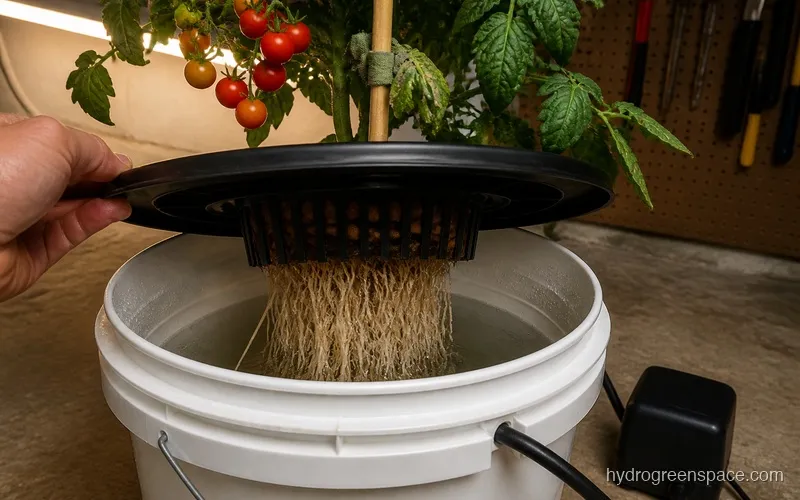
LETPOT LPH-SE: Best App-Connected Pod System
The LETPOT LPH-SE runs $120-150 and is the most capable WiFi-connected pod system in this price range. Twelve pods, a 24W full-spectrum LED, and a 5.5L reservoir are solid specs on their own. What sets it apart is the companion app, which lets you set light schedules, control the pump remotely, and monitor your garden from your phone without needing to be in the room.
App control sounds like a gimmick until you’ve killed plants because you forgot to adjust the light schedule when switching from seedling to vegetative stage, or missed a pump issue while traveling. The LETPOT handles that routine management reliably. You set your schedule once, tweak it from your phone as plants develop, and the system runs consistently. The automatic pump scheduling is particularly useful for herbs that prefer dry periods between waterings. For a beginner who finds the manual side of hydroponics overwhelming, having those cycles handled automatically removes a real source of early crop loss. The common beginner mistakes in hydroponics breakdown covers exactly how often timing and pH issues are the culprit.
The 12-pod layout works well for mixed herb and greens growing: basil, mint, cilantro, lettuces, arugula, and spinach all do well here. The light is adequate for leafy greens and herbs at full canopy. If you want to grow fruiting crops, step up to the AeroGarden Bounty for the 45W LED. But for an app-connected, hands-off herb and greens system, the LETPOT LPH-SE is the pick at this price.
LETPOT LPH-SE 12-Pod Smart Herb Garden
12-pod WiFi garden with app control and automatic pump scheduling. 24W full-spectrum LED, 5.5L tank, and a companion app that lets you set light schedules and monitor your garden remotely. The most capable connected pod system under $200.
Best for: Growers who want app control and scheduled automation in a countertop pod system
Check price on AmazonWhat to Actually Spend Your $200 On
If you hit the $200 ceiling and aren’t sure which direction to go, here’s the decision simplified:
Grow herbs and greens at volume: iDOO 20-pod or MUFGA 18-pod. More pods, more variety, same learning curve as a $100 system.
Grow cherry tomatoes or peppers in a compact setup: AeroGarden Bounty. The 45W light is the reason. Don’t undershoot the light for fruiting crops.
Grow serious vegetables year-round: PowerGrow DWC kit plus a separate grow light. Budget $80-120 for a quality LED on top of the kit. The best indoor hydroponic system for vegetables covers what you need to support larger crops.
Try DWC for the first time without a big setup: Grow1 5-Gallon DWC Kit. Everything included for a single-bucket run. Add a grow light and nutrients and you’re growing.
Want app control and automated scheduling: LETPOT LPH-SE. You’re paying for the WiFi integration and pump automation, and it delivers on both.
One thing that doesn’t change at any price: you still need nutrients, pH management, and growing medium. Those costs don’t disappear because you spent more on the system. If you’re trying to total out your actual startup cost, how much it costs to start hydroponics breaks down the full picture including consumables.
Tip: The best hydroponic nutrients for vegetables covers the nutrient side in detail, including which products work across pod systems and DWC without needing to swap formulas as you upgrade.
Comparison Table
| System | Price | Pods/Capacity | Light Included | System Type | Best For |
|---|---|---|---|---|---|
| iDOO 20-Pod | $130–$150 | 20 pods | Yes | Pod system | Volume herbs and greens |
| AeroGarden Bounty | $170–$190 | 9 pods | Yes (45W) | Pod system | Fruiting vegetables |
| MUFGA 18-Pod | $110–$130 | 18 pods | Yes | Pod system | Beginner upgrade |
| PowerGrow DWC Kit | $100–$150 | 4 plants | No | Deep water culture | Vegetables, tomatoes |
| Grow1 DWC Kit | $50–$80 | 2–4 plants | No | Deep water culture | First-time DWC growers |
| LETPOT LPH-SE | $120–$150 | 12 pods | Yes (24W) | Pod + app | App-connected automation |
Once you’ve nailed down a system type, the best hydroponic grow kits for indoor gardening gives you a broader comparison across all price points to make sure you’re not missing a better option. And if you’re still figuring out which format is right for your situation, the best hydroponic systems for beginners breaks down the decision between pod systems, DWC, and other entry-level setups before you spend anything.