
Clay Pebbles vs LECA: Are They the Same Thing?
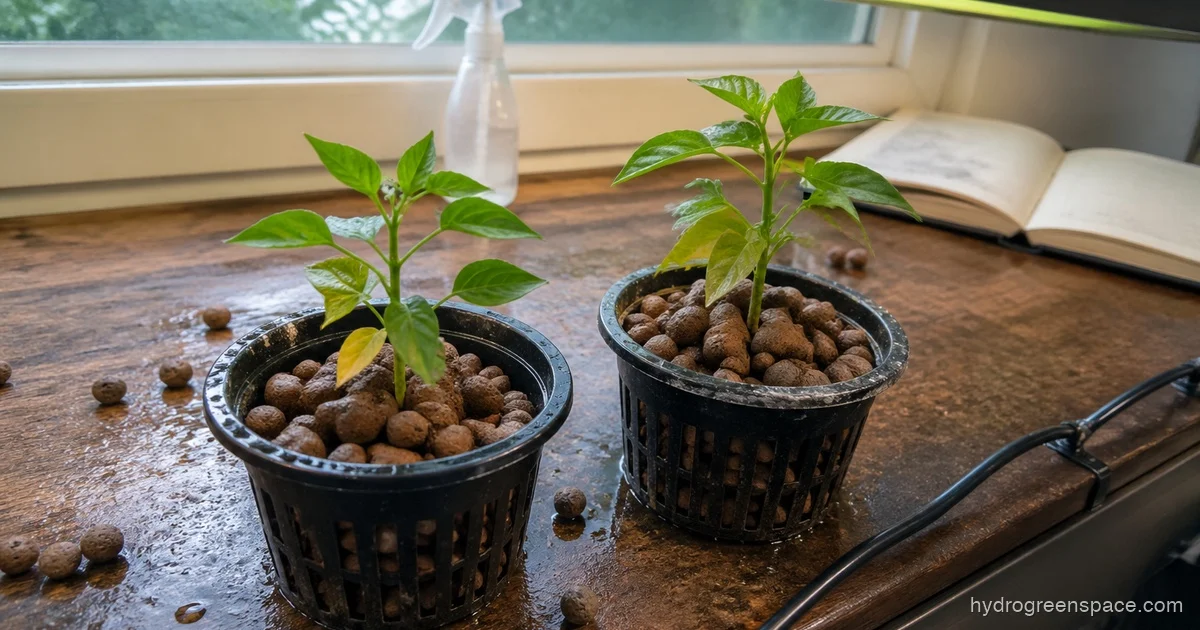
If you’ve searched for “clay pebbles vs LECA” expecting to find two different products, here’s the short answer: there’s nothing to compare. LECA (Lightweight Expanded Clay Aggregate) is the technical name for the same material you’ll find sold as “clay pebbles,” “expanded clay pellets,” or under the brand name Hydroton. Same material, different labels. The confusion is real, and it trips up new growers constantly.
Once that’s out of the way, there are actually interesting questions worth answering: what makes clay pebbles the right call in some systems and wrong in others, how to properly prep them, when they outperform media like coco coir or perlite, and whether the reusability claims are actually worth the effort.
Clay Pebbles and LECA Are the Same Thing
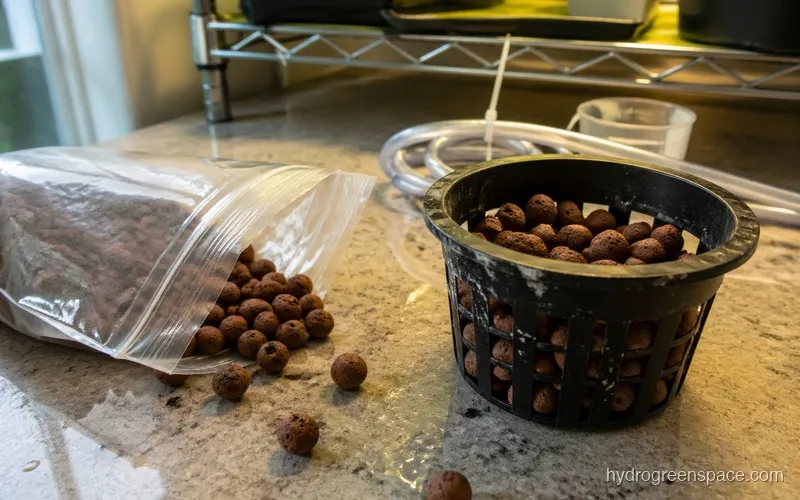
Clay pebbles are made by heating clay to around 2,200°F (1,200°C) in a rotary kiln. The clay expands like popcorn, forming round pellets with a porous outer shell and a honeycomb interior. That internal porosity is what makes them useful: they hold moisture while still allowing oxygen to reach roots.
The name “LECA” comes from the construction industry, where the same expanded clay aggregate is used in concrete and insulation. When it crossed into horticulture, growers started calling it by what it looked like: clay pebbles, clay balls, or clay rocks. Hydroton is a German brand name that became so widely used that some growers think it’s a different product. It’s not.
For the purposes of this article, I’ll use “clay pebbles” since that’s what most people type into a search bar, but if you see LECA or Hydroton on a product label, you’re looking at the same thing.
What Makes Clay Pebbles a Good Growing Medium
Clay pebbles are inert, meaning they have no nutritional content and won’t alter your nutrient solution. This is a significant advantage over organic media like coco coir or soil amendments, because you have full control over what your plant feeds on from day one.
They’re also pH neutral, which simplifies nutrient management. A clean batch of clay pebbles sits around pH 6.0-7.0 and won’t buffer or shift your solution the way some media will. That said, new pebbles straight from the bag can be slightly alkaline and carry dust that will cloud your reservoir, which is exactly why rinsing is non-negotiable before first use (more on that below).
Root aeration is where clay pebbles genuinely shine. The spaces between the pellets create air pockets that keep roots oxygenated, which is critical in systems like deep water culture where roots sit near or in water. Poor oxygen at the root zone is the primary driver of root rot in hydroponic systems, and a well-oxygenated media bed makes a real difference.
How to Prep Clay Pebbles Before Use
Skipping prep is the most common mistake beginners make with this medium. Even premium clay pebbles arrive coated in clay dust that will clog pumps, cloud reservoirs, and throw off pH readings.
Step 1: Rinse thoroughly. Pour pebbles into a mesh bag or colander and rinse under running water until the water runs clear. This will take longer than you expect, usually 5-10 minutes per batch.
Step 2: Soak for 24 hours. Submerge rinsed pebbles in a bucket of pH-adjusted water (around 5.5-6.0) and let them soak overnight. This gives the porous interior time to absorb water so the pebbles don’t pull moisture away from seedling roots when you first plant.
Step 3: Rinse again. After soaking, give them one more rinse and check the runoff pH. If it’s above 7.0, repeat the soak with slightly more acidic water.
Common mistake: Skipping the soak and planting directly into dry pebbles. The dry interior wicks moisture from root zones before roots establish, and seedlings can stall for a week while you try to figure out what went wrong.
Which Hydroponic Systems Work Best with Clay Pebbles
Clay pebbles aren’t universally ideal, and matching them to the right system matters.
Ebb and Flow (Flood and Drain)
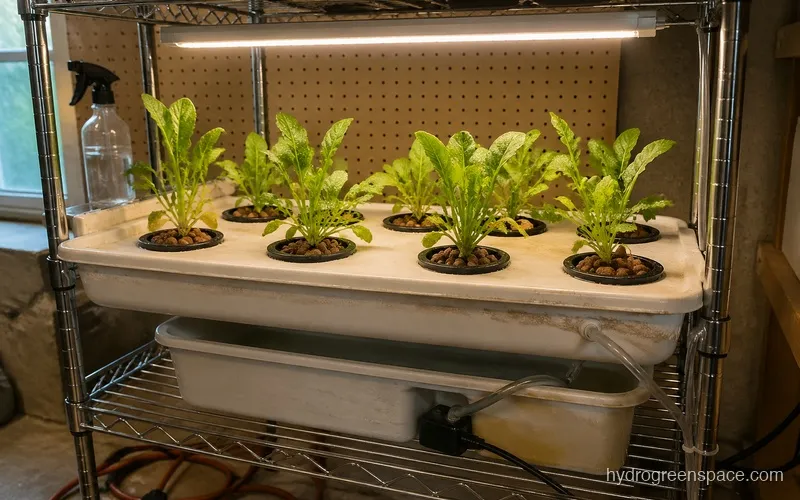
This is where clay pebbles perform best. In an ebb and flow system, the table floods periodically and then drains completely. Clay pebbles hold just enough moisture in their porous surface between flood cycles without staying waterlogged, which prevents root rot while keeping plants fed. The large particle size also means they drain quickly and completely, which is exactly what flood-drain timing depends on.
Media Bed Systems and Dutch Buckets
In media bed systems and Dutch bucket setups, clay pebbles work well because they support root structure through a full growing season. Tomatoes, peppers, and cucumbers grown in 5-gallon bucket systems with clay pebbles perform well because the medium provides physical support for tall plants while maintaining root aeration throughout a long grow.
DWC and Kratky
In DWC builds, clay pebbles typically sit in net pots suspended above or at the waterline, supporting the stem while roots drop into the nutrient solution below. They work fine here, though their role is mostly structural. You don’t need deep media beds for DWC, just enough pebbles to anchor the plant and support stem weight.
Drip Systems
Clay pebbles are a solid choice in drip systems because the drip emitters can be placed directly into the pebble bed and slow drips won’t pool or cause standing water issues.
NFT (Not Ideal)
Skip clay pebbles in NFT. The nutrient film channel isn’t designed for a media bed, and loose pebbles can obstruct flow or shift during harvest.
Clay Pebbles vs Coco Coir
This is a legitimate comparison. Both are popular hydroponic media, but they behave very differently.
Coco coir retains more water than clay pebbles, which makes it more forgiving in drip systems and for growers who can’t monitor their setup daily. If your drip timer fails or you miss a watering, coco will hold moisture longer than clay. Coco also has a slight cation exchange capacity, meaning it holds onto some calcium and magnesium ions, which can be helpful or troublesome depending on your nutrient program.
Clay pebbles are easier to manage long-term because they’re fully inert and reusable. Coco coir breaks down over 12-18 months and needs to be replaced. It can also harbor pathogens if not handled carefully. You can sterilize and reuse clay pebbles for years with the right cleaning process.
For beginners running a small DWC or ebb-and-flow setup, clay pebbles are easier to dial in. For growers running large drip systems or wanting a more soil-like experience, coco coir may feel more intuitive. For a full comparison of available media options, the growing media overview covers all the main choices side by side.
Clay Pebbles vs Rockwool and Perlite
Rockwool is better suited as a starter medium for germination and propagation. Its structure holds moisture evenly in small cubes, which makes it ideal for rooting cuttings or starting seeds before transplanting. You wouldn’t fill a large media bed with rockwool, it gets expensive fast, but as a starting plug inside a net pot partially filled with clay pebbles, it works well together. See the rockwool guide for how to combine them.
Perlite and vermiculite are sometimes mixed into media beds but aren’t standalone substitutes for clay pebbles. Perlite is too light and will float in flooded systems, which creates uneven root support and makes transplanting messy. Clay pebbles stay put.
Reusing Clay Pebbles: Is It Worth It?
Reusability is one of clay pebbles’ genuine selling points, but it comes with a process.
After each grow cycle, pebbles will accumulate algae, salt buildup, and potentially pathogen residue. Simply rinsing them between grows isn’t enough. You’ll want to soak them in a dilute hydrogen peroxide solution (1-3%) or a dedicated growing media cleaner for several hours, then rinse thoroughly and pH-check before reuse.
If you’re flushing and cleaning your system at the end of each cycle, cleaning the clay pebbles at the same time is straightforward. Most growers can get 3-5 years out of a quality batch with proper cleaning. That makes clay pebbles one of the more economical media options over time, even if the upfront cost is higher than coco or rockwool.
What I’d do: I keep two separate batches in rotation. While one batch is in active use, the other is soaking in hydrogen peroxide, drying, and getting ready for the next cycle. No downtime waiting for media to dry, and each batch gets a proper clean every time.
LECA for Houseplants (Semi-Hydroponics)
A growing number of houseplant growers use LECA as a semi-hydroponic growing medium, particularly for orchids and tropical aroids. The approach involves placing roots directly in clay pebbles with a small reservoir of dilute nutrient solution at the bottom of the pot. The pebbles wick moisture up by capillary action, roots have plenty of air, and there’s no soil compaction or overwatering.
Semi-hydroponics with LECA is well documented as an effective method for orchids, particularly for growers who have struggled with root rot in bark-based potting mix. The nutrient approach for LECA differs slightly from standard soil fertilizing since pebbles provide no nutrition and the solution needs to be changed periodically to prevent salt buildup.
How Long Do Clay Pebbles Last?
Indefinitely if cleaned properly. Unlike organic media, clay pebbles don’t break down, compact, or decompose. The pellets may chip or fracture over years of use (especially if dropped), but structurally they’re extremely durable. I’ve seen growers using the same batch for 7-10 years with regular maintenance.
The main reason growers replace clay pebbles isn’t degradation, it’s contamination they can’t fully clear. If you have a persistent root rot outbreak or a fungal issue you can’t eliminate through cleaning, starting fresh with new media is the right call.
If you’re just getting started, clay pebbles are a forgiving first medium for most beginner setups. Avoiding the most common beginner mistakes in hydroponics around media prep and nutrient management will get you a lot further than agonizing over which brand of LECA to buy. Most quality brands produce a consistent product, and once you’ve run a few successful grows, the real differences between media choices become much clearer from experience than from reading about them. For a broader look at how clay pebbles stack up against coco, rockwool, and other substrates across different system types, the growing media for hydroponics guide covers the full comparison.