Rocks for Hydroponics: Which Types Actually Work
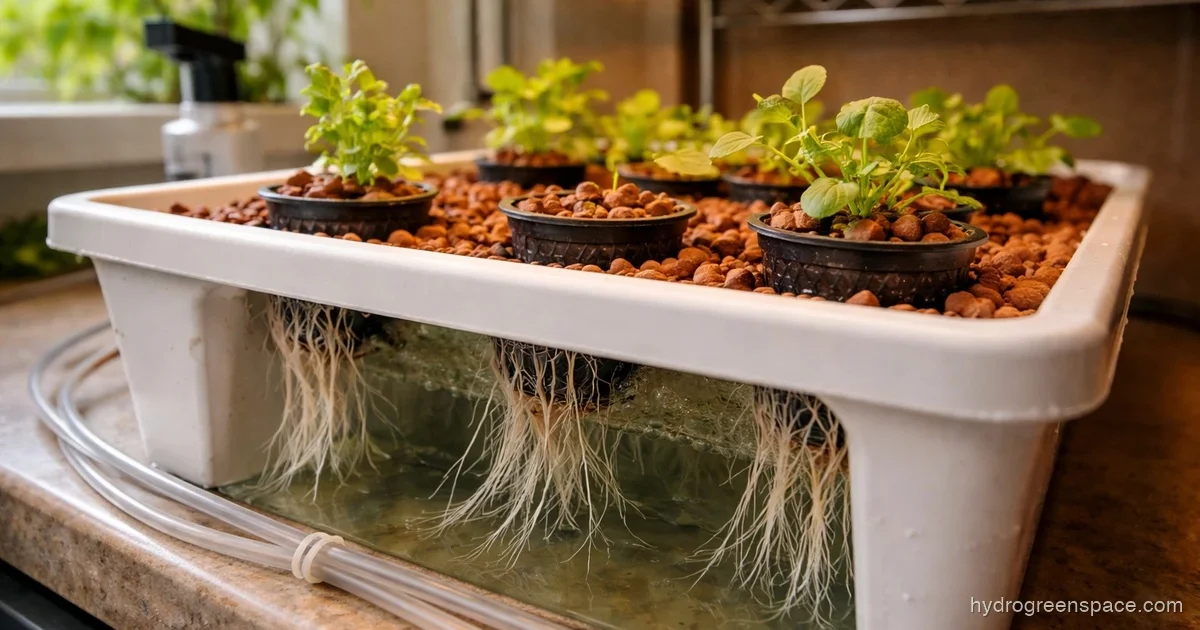
If you’ve looked at a bag of clay pebbles at the garden center and wondered whether the gravel in your driveway would do the same job for a lot less money, you’re not alone. It’s one of the most common questions from growers getting started, and the honest answer is: some rocks work great, some work okay with prep, and some will quietly wreck your crop. This guide covers what you actually need to know about using rocks for hydroponics, from the gold-standard option to the ones worth leaving in the yard.
Rocks function as a hydroponic substrate rather than a nutrient source. Their job is to anchor roots, allow water and nutrients to pass through freely, and hold just enough moisture between watering cycles that roots don’t dry out. That’s it. The chemistry of your nutrient solution does the feeding.
Clay Pebbles Are the Gold Standard (and Here’s Why)
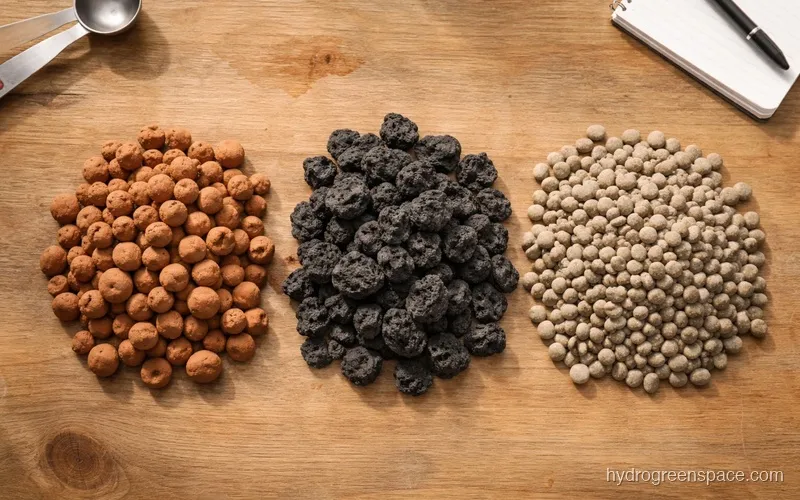
Clay pebbles, often sold as LECA (Lightweight Expanded Clay Aggregate), are purpose-built for hydroponics. They’re manufactured by firing clay at extremely high temperatures, which creates a porous, lightweight ball with a neutral pH and a slightly rough surface that roots can grip.
The porous structure gives you the best of both worlds: good drainage so roots get oxygen, and enough internal moisture retention that plants don’t stress between flood cycles. A solid rock can’t do this. Clay pebbles hold a thin film of nutrient solution in their pores, which keeps roots hydrated without sitting them in standing water.
They’re also reusable. Rinse them after each grow, sterilize with a diluted hydrogen peroxide or bleach solution, rinse again, and they’re ready for the next crop. A bag that costs $20 at the outset will last through dozens of grows if you treat them right.
One thing beginners often miss: clay pebbles still need to be soaked before first use. Soak them in pH-adjusted water (around 5.5-6.0) for 24 hours before planting. Out of the bag, they often have a slightly elevated pH from the manufacturing process, and that first soak brings them into range. If you skip this step and drop seedlings straight into dry pebbles, you’ll wonder why your first week looks rough.
Lava Rocks: Good Aeration, Real Trade-offs
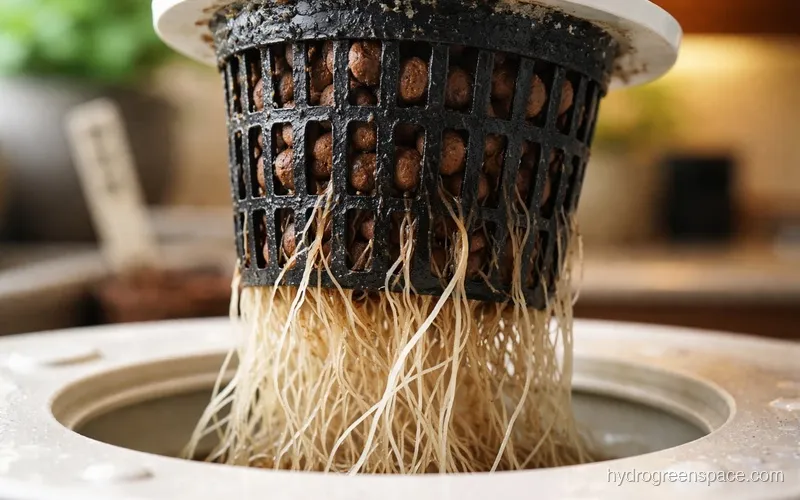
Lava rocks are a legitimate hydroponic growing medium, and they’ve been used in commercial and hobby systems for decades. The volcanic structure is naturally porous, which gives excellent root aeration, and they’re pH neutral when fresh. You can find them cheaply at landscaping suppliers or garden centers.
The problem growers run into is texture. Lava rocks are sharp. The jagged edges that make them look cool in a fire pit are the same edges that can abrade young roots as they grow through. This is less of an issue in established plants with thick, woody root systems, but for seedlings and fine-rooted herbs like basil, it’s worth considering.
Lava rocks are also heavier than clay pebbles and harder to rinse thoroughly because of all the surface variation. If you’re running an ebb and flow system or a 5-gallon bucket system, the weight adds up fast. For a fixed, permanent setup like a large flood table, that weight becomes a non-issue.
What I’d do: If lava rocks are significantly cheaper in your area and you’re building a fixed ebb and flow system with mature transplants, they’re worth using. For seedlings or a Kratky setup, stick with clay pebbles.
Preparation matters here too. Rinse lava rocks thoroughly before use. They come with volcanic dust and fine particles that will cloud your reservoir and clog pumps if you skip this step. Rinse them in batches through a mesh bag until the water runs mostly clear, then soak overnight in pH-adjusted water.
Pea Gravel and River Rocks: When Natural Works
Pea gravel and river rocks occupy a middle ground. They’re not purpose-built for hydroponics, but they’ve been used successfully in home systems for a long time, particularly in ebb and flow and flood-and-drain setups where water moves through the medium regularly.
The appeal is simple: cost. A 50-pound bag of pea gravel is a fraction of what the same volume of clay pebbles would cost. If you’re building an indoor hydroponic garden, this can make the difference between starting now and waiting another month.
The core problem is pH contamination. Natural rocks contain minerals. Limestone, calcium carbonate, and other compounds can leach into your nutrient solution and push the pH up over time. This is slow and inconsistent, which makes it harder to diagnose than a one-time error. Your plants show signs of nutrient lockout, you check your pH levels and find them creeping up to 7.5, and you adjust, but the rock keeps leaching.
The Vinegar Test for Natural Rocks
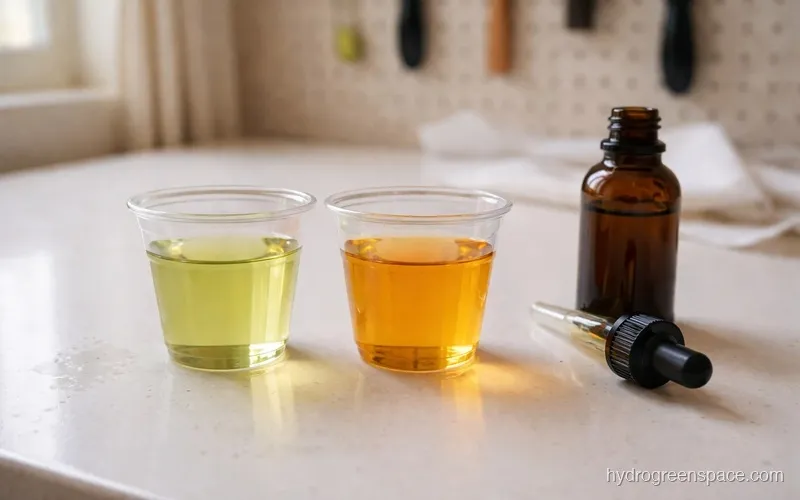
Before using any rock from your yard or a landscaping supplier, do a quick acid test. Drop the rock in a cup of white vinegar. If it fizzes or bubbles, it contains calcium carbonate and will raise your reservoir pH. If nothing happens, the rock is likely chemically inert and safer to use.
This isn’t a perfect lab test, but it will catch the biggest offenders. Even rocks that pass should be rinsed thoroughly, soaked in pH-adjusted water for 48 hours, then tested again before committing them to a full system.
River rocks and smooth pea gravel present a different structural issue: they’re round and uniform, which means they pack tightly and leave less air space than angular or porous materials. Roots still penetrate, but drainage and aeration are noticeably worse than clay pebbles or lava rock. For crops that need excellent root oxygenation (tomatoes, cucumbers, fast-growing lettuce), this matters.
“Can I Use Rocks From My Yard?” The Real Answer
Yes, sometimes. But you need to do the homework first.
Rocks from the yard carry a few risks beyond pH: pesticide or herbicide contamination if you’ve treated your lawn, algae spores, bacteria, fungal spores, and general garden grime. A thorough wash and sterilization removes most of this, but it takes real effort. Boiling rocks for 20-30 minutes kills most biological contaminants. Soaking in a 1:10 bleach-to-water solution for an hour, then rinsing aggressively until you can’t smell the bleach, also works.
After sterilization, do the vinegar fizz test, then a 48-hour soak in pH water with a pH meter check at the end. If your pH reads stable after 48 hours, you’re in reasonable shape. If it’s crept up, toss those rocks and find different ones or buy clay pebbles.
The honest calculus: the time you spend testing, boiling, soaking, and pH-checking yard rocks often exceeds the cost difference of just buying a bag of LECA. For a small system, clay pebbles win on convenience. For a large flood table where you need 40+ liters of media, scrubbed pea gravel can make financial sense if you’re willing to do the prep.
System Compatibility: Matching Rock Type to Your Setup
Not every rock works in every type of hydroponic system. Here’s a quick breakdown:
Ebb and Flow (Flood and Drain) This system floods and drains on a timer, so drainage speed matters. Clay pebbles and lava rock both work well here. Pea gravel works but the slower drainage means roots sit wetter between cycles. Heavy media like gravel is less of a problem in a fixed flood table.
Kratky Method Kratky is a passive system with no pump, which means the medium needs to wick moisture up to the roots without waterlogging them. Clay pebbles are ideal. Lava rock can work. Gravel and river rock don’t wick well and can leave the upper root zone dry between reservoir refills. If you’re setting up a Kratky method setup, use LECA.
Deep Water Culture (DWC) In DWC, the net pot holds the plant above an aerated reservoir. The medium is mostly an anchor and doesn’t need to retain much moisture because roots hang directly in the nutrient solution. Clay pebbles are standard, but lava rock works fine here too.
Tower Systems Hydroponic towers have narrow channels and vertical flow, so media needs to be lightweight. Clay pebbles are the right call for hydroponic tower systems. Heavy gravel will stress the structure and block the narrow ports over time.
Weight Is a Real Practical Concern
A fully loaded ebb and flow table with 60 liters of wet gravel can weigh several hundred pounds. If you ever need to flush, clean, or move the system, that weight becomes a serious problem.
Clay pebbles are called “lightweight” for a reason. Dry, they’re about half the weight of an equivalent volume of gravel. When you’re setting up a system on a table, a shelf, or the floor of a grow tent, that difference matters for both the structure holding the weight and your own back when maintenance day comes.
If weight is a concern and you’re not growing in a fixed installation, that alone is reason enough to choose clay pebbles or lava rock over pea gravel or river rock, even if the cost difference seems appealing.
Preparing Any Rock Medium Before First Use
The prep steps are essentially the same regardless of which rock type you choose:
- Rinse thoroughly in a mesh bag or colander until the runoff water is clear
- Soak in pH-adjusted water (5.5-6.0) for 24-48 hours
- For natural rocks, do the vinegar fizz test and check pH at the end of the soak
- For reused media, sterilize with diluted hydrogen peroxide (1-3% solution) or bleach solution before the pH soak
Once you’ve chosen and prepped your growing medium, the next piece is dialing in your nutrient solution and feeding schedule. Getting that right matters just as much as the media you grow in. The growing medium for hydroponic systems guide covers how different substrates affect your watering frequency and how to adjust.
If you’re comparing rocks to non-rock options, check out coco coir for hydroponics and perlite vs vermiculite to see where each fits in the same ebb and flow or DWC builds. The right choice usually comes down to system type, budget, and how long you want the medium to last. The growing media for hydroponics guide gives you a side-by-side look at all the major options if you’re still deciding.