
Are Hydroponic Strawberries Safe to Eat? Yes, Here's Why
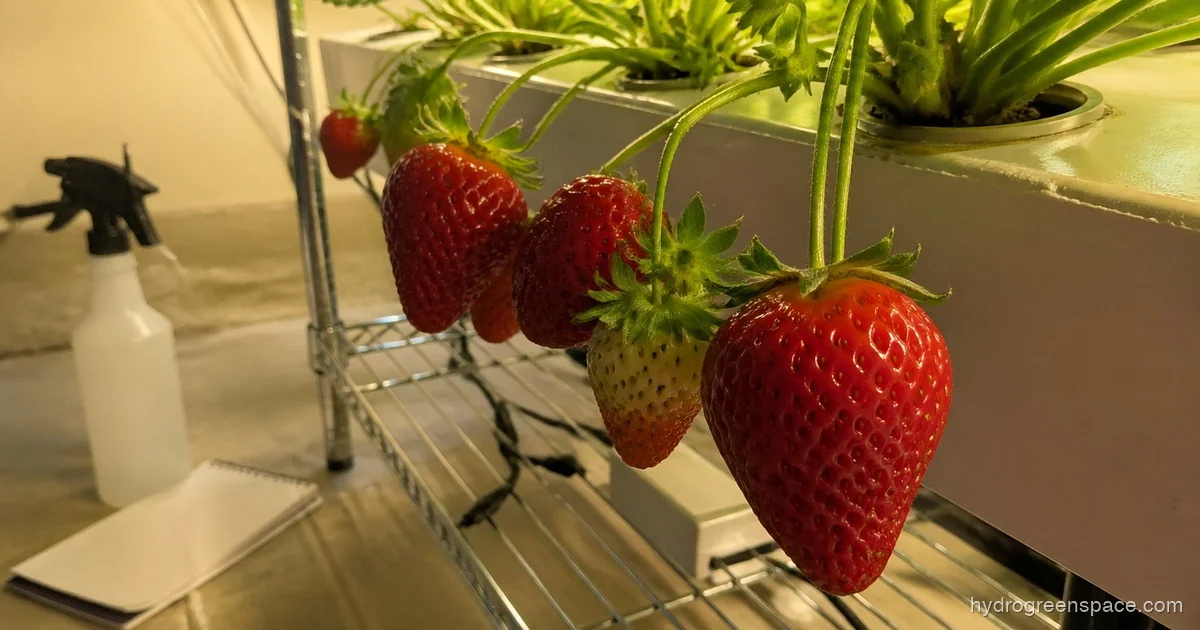
Yes, hydroponic strawberries are safe to eat. That’s the short answer, and I want to get it on the table immediately because the concern is real and the reasoning behind it deserves more than a hand-wave.
The worry usually goes something like this: if the plant is growing in a chemical nutrient solution instead of soil, doesn’t that mean the fruit absorbs those chemicals? It’s a fair question. It just happens to be based on a misunderstanding of how plant nutrition works, and once you understand the mechanism, the concern mostly dissolves.
The “Chemical Nutrients” Fear, Properly Explained
When people call hydroponic nutrients “chemicals,” they’re technically right, but so is water. What’s in a hydroponic nutrient solution is mineral salts: calcium nitrate, potassium sulfate, magnesium sulfate, iron chelate, and so on. These dissolve in water and release mineral ions that the plant’s roots absorb.
Here’s the key point: a plant does not absorb molecules, it absorbs ions. Nitrogen arrives as nitrate (NO3-) whether it came from a bag of synthetic fertilizer, a bucket of fish emulsion, or decomposing organic matter in soil. By the time it reaches the root and gets absorbed, the source is irrelevant. The ion is the ion.
The strawberry fruit does not contain a record of what solution it grew in. What it contains is the result of what the plant built using those ions: sugars, vitamins, phenolic compounds, water. If you’re wondering whether mineral salts accumulate in the fruit in some identifiable way that makes it less safe, the answer is no. That’s not how plant metabolism works.
If you want to understand this in the context of leafy greens as well, the same principle applies to how hydroponic nutrients affect produce nutrition.
Pesticide Use: Where Hydroponics Has a Real Advantage
Soil-grown strawberries have consistently ranked at the top of the Environmental Working Group’s “Dirty Dozen” list for pesticide residue. The reason is partly the crop itself (strawberries are prone to fungal disease, spider mites, and botrytis), and partly the way conventional strawberry fields are managed.
One practice worth knowing about is soil fumigation. Conventional strawberry production has historically relied on methyl bromide, a broad-spectrum fumigant used to sterilize field soil before planting. It kills pathogens, weed seeds, and nematodes, but it’s also an ozone-depleting substance and a recognized human health hazard. While methyl bromide has been phased out in many countries, replacements like chloropicrin and 1,3-dichloropropene are still widely used.
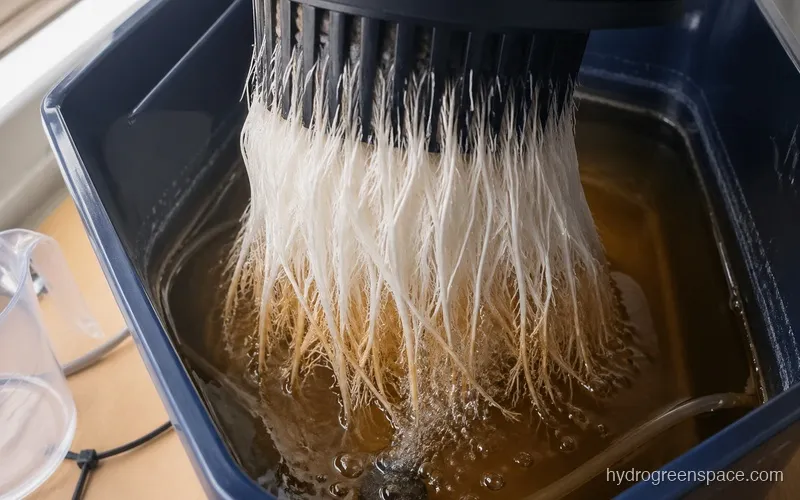
Hydroponic systems sidestep this entirely. There’s no soil to fumigate, no field to treat before a crop cycle. The controlled indoor environment also reduces (and often eliminates) the need for fungicide and insecticide applications. Pest pressure is lower indoors, and when problems do appear, growers can respond with targeted, minimal interventions.
This doesn’t mean commercial hydroponic strawberries are grown completely chemical-free. Some operations do use pesticides. But the baseline exposure risk from a hydroponic strawberry is generally lower than from a conventional soil-grown one.
Tip: If you’re buying commercial hydroponic strawberries and want to minimize pesticide exposure further, look for “Certified USDA Organic” on hydroponic produce. It’s less common, but it exists.
Microbial Safety: Soil Pathogens vs. Hydroponics
Most foodborne illness outbreaks linked to fresh produce trace back to contaminated water, animal contact, or soil pathogen transfer. Pathogens like E. coli O157:H7 and Salmonella are naturally present in soil and manure-amended growing media, and they can colonize plant root zones and occasionally migrate into the edible portion of the plant.
Hydroponic systems, by design, use treated or purified water and don’t involve soil at all. That removes one of the primary contamination vectors. If the system’s water source is clean, and the nutrient reservoir is properly maintained, microbial contamination risk is significantly reduced compared to field growing.
That said, a poorly maintained hydroponic reservoir with stagnant, warm water and decaying root matter is not inherently safe just because it’s soil-free. Opportunistic pathogens can still grow in those conditions. The cleanliness of the system matters. You can read more about how microbial safety in hydroponic systems works in practice.
Are Hydroponic Strawberries as Nutritious as Soil-Grown?
Nutritional differences between hydroponic and soil-grown strawberries are real but modest, and they go both ways. Some studies show hydroponic strawberries have higher vitamin C content. Others show slightly lower anthocyanin levels (the antioxidants responsible for the red color). A lot depends on the specific nutrient solution, the cultivar, and the lighting conditions.
The honest answer is that hydroponic strawberries are nutritionally comparable to field-grown ones. Neither is dramatically superior. The bigger variable is freshness. A strawberry picked ripe and eaten the same day, regardless of how it was grown, is going to have better nutrition than one that was picked underripe and shipped across the country over a week.
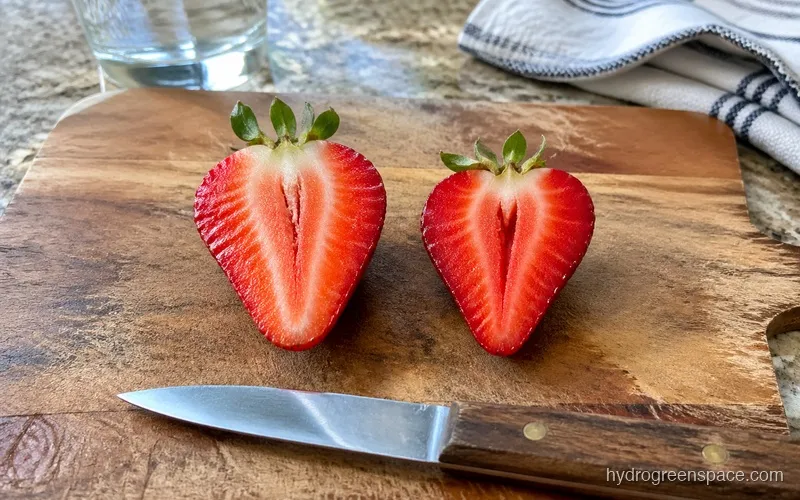
If you’re growing your own, that freshness advantage belongs to you. For a full breakdown of how hydroponic produce compares to soil-grown across multiple crops, there’s a deeper comparison worth reading.
What to Actually Watch Out For: Home Growers vs. Store Buyers
The risk profile looks different depending on where your hydroponic strawberries are coming from.
If you’re buying commercially: The main question is whether the operation follows food safety protocols (Good Agricultural Practices, or GAP). Most commercial hydroponic facilities do, because scaling a food operation requires it. Buying from a reputable retailer or a local hydroponic farm with transparent practices is the lowest-risk path.
If you’re growing at home: The risks are also low, but there are a few things that matter. Water quality is the most important one. If your tap water contains elevated heavy metals or you’re using untreated rainwater, that can affect the nutrient solution and eventually the crop. Using food-safe containers, keeping your reservoir clean, and flushing your system periodically are all good practices. Learning what goes into a hydroponic nutrient solution helps you make informed choices about inputs.
Also worth noting: if you’re using organic nutrient inputs (like fish emulsion, worm casting extracts, or compost teas) in a home hydroponic system, the microbial considerations shift slightly compared to a purely mineral-salt system. That’s not a reason to avoid organic inputs, but it is a reason to understand them, which is why the approach to using organic inputs in your hydroponic system is worth understanding before you start mixing.
Do You Need to Wash Hydroponic Strawberries?
Yes, wash them. Not because they’re dangerous, but because it’s good food hygiene practice for any fresh produce. Hydroponic strawberries are handled by people, packaged in facilities, and transported in conditions that introduce surface contact. A quick rinse under cold running water before eating is always the right move.
The same principle applies to any hydroponic produce. If you want to go deeper on this, the reasoning behind washing hydroponic produce before eating is covered thoroughly in the context of lettuce, but the logic carries over.
Common mistake: Soaking strawberries in water for extended periods before eating. It accelerates spoilage and doesn’t clean them any better than a 30-second rinse. Wash right before eating, not ahead of time.
Are Hydroponic Strawberries Organic?
Not automatically. “Organic” is a certification that refers to how inputs are managed and verified by an accrediting body. A hydroponic strawberry grown with synthetic mineral nutrients cannot be USDA Organic certified under current rules, even if zero pesticides were used.
This matters because “safe” and “organic” are different things. A hydroponic strawberry grown with synthetic nutrients in a clean, pesticide-free indoor system can be safer and more nutritious than an organic soil-grown strawberry that was handled carelessly after harvest. The label tells you about the production method, not the final quality or safety of the fruit.
For a fuller treatment of where this gets complicated, the hydroponic certification and the organic debate is a genuinely interesting corner of food policy worth understanding.
The Bigger Picture
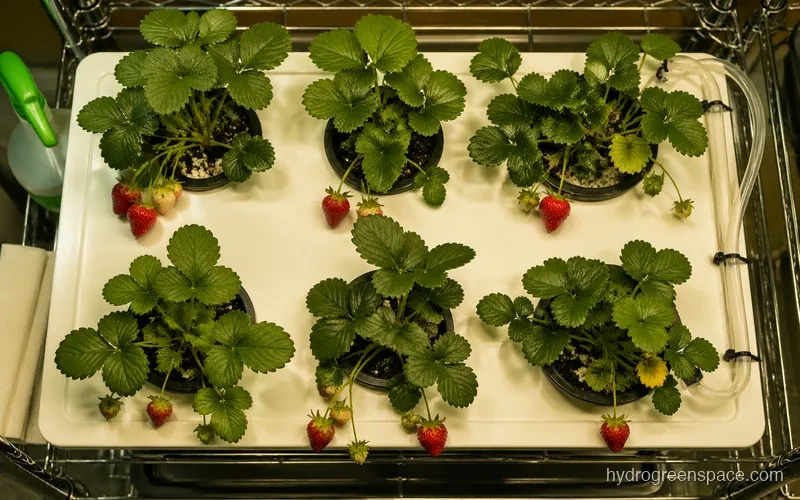
The complete guide to growing hydroponic strawberries is a good place to start if you’re ready to build a system. And if you’re already growing but want to dial in what you’re feeding them, the right nutrient solution for strawberries makes a real difference in fruit size, sweetness, and overall plant health.
Growing hydroponic strawberries at home is one of the more satisfying things you can do with a small indoor setup, and knowing the fruit you’re eating came from a clean, controlled system you built yourself is a pretty good feeling.